A Natural Solution for California's Herds: African Catfish Peptides

California's cattle producers and agricultural communities are all too familiar with the rising challenge of antibiotic resistance, making common bacterial infections harder to treat in livestock. But imagine a future where we could tackle these infections with a natural, powerful alternative. Our research points to just that: antimicrobial peptides (AMPs) found in African catfish.

We're really excited about these peptides because African catfish thrive in pathogen-rich freshwater, naturally producing these robust immune compounds in their skin mucus as a defense. This natural origin makes them highly appealing alternatives to synthetic drugs.

Predicted Safety and Potent Action

One of the most compelling aspects of these AMPs is their predicted safety for mammals. Our initial computer analyses suggest that various catfish AMPs are generally recognized as safe (GRAS). We predict they'll be absorbed in the human intestine without causing liver, brain, or heart toxicity. Furthermore, lab tests on a promising peptide, NACAP-II, confirmed it was non-hemolytic, meaning it didn't damage rabbit red blood cells—a strong indicator of its potential safety for mammalian cells.

Beyond safety, these peptides demonstrate effectiveness against problematic bacteria. One study revealed NACAP-II's strong activity against Extended-Spectrum Beta-Lactamase (ESBL)-producing Escherichia coli—a critical concern for both animal and human health due to its resistance to many common antibiotics. Another peptide, ACAP-IV, also showed antibacterial activity against E. coli and Staphylococcus aureus. We believe these AMPs work by directly disrupting bacterial cell membranes, a mechanism that makes it harder for bacteria to develop resistance compared to how they resist traditional antibiotics.

Primary Image
Google Earth Map, Lahaina, Maui, Hawaii, USA—20°52’02”N, 156°40’27W. Retrieved 9/9/2023, one month after the Maui fire destroyed most of Lahaina.
UC Master Gardener Program of Contra Costa County: Article

Living in Wildfire Country: Reflections on the Maui Fire

September 18, 2023
By Marilyn Saarni, UC Master Gardener 2018 Vice Chair West Contra Costa Fire Safe Council The August 2023 Maui fire was devastating. As of September 8, 2023, the confirmed death toll is 115, and 66 people are still missing.
View Article
Primary Image
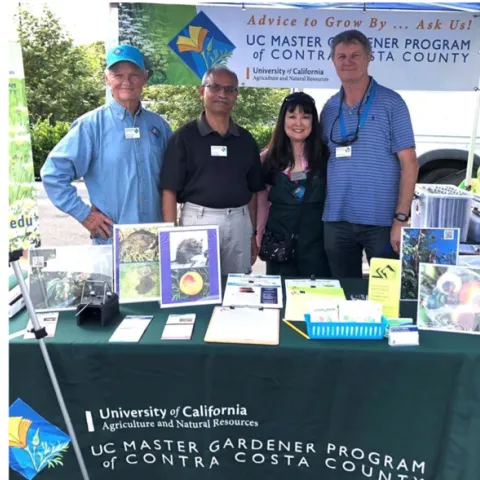
Photo by UC Master Gardener CoCoMGs Bob Archer, Sunil Deo, Terri Takusagawa and Greg Doyle at the San Ramon Farmers Market.
UC Master Gardener Program of Contra Costa County: Article

An Interview with Terri Takusagawa

September 18, 2023
By David George When it comes to volunteering hours, no one does it more often these days than Terri Takusagawa. Terri has gone Triple Platinum in hours volunteered to the program (7,500+), a level that has never been reached.
View Article
Primary Image
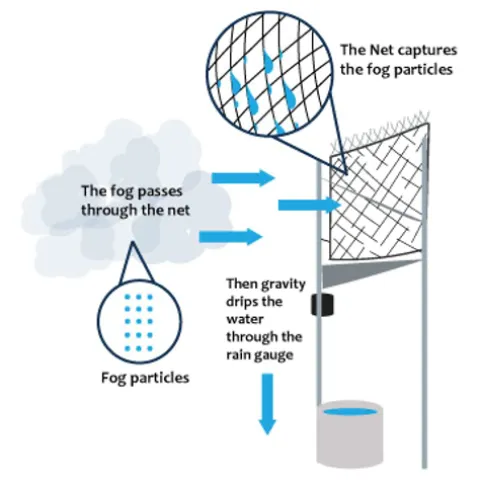
Illustration courtesy of Bayside Fog Collectors.
UC Master Gardener Program of Contra Costa County: Article

Water, Water: Everywhere and Nowhere, All At Once

September 18, 2023
Reporting from Oslo, Norway By Liv Imset Lately, it seems like water, in one way or another, makes headlines every day. There are reports of either not enough or too much at once. Some recent examples: October 2019 to 2022 were three of the driest years on record in CA.
View Article
Primary Image
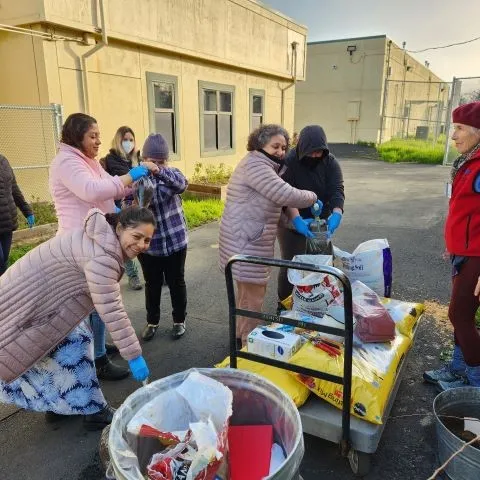
Photo by Anne Sutherland. CoCoMG Rosalee Frankel hands out potting-up supplies to students at Monument Crisis Center Summer School.
UC Master Gardener Program of Contra Costa County: Article

¿Qué pasa, Jardineros? (What’s happening, Jardineros?)

September 18, 2023
By Anne Sutherland This years highlight has been teaching hands-on potting up classes to Spanish-speaking mothers at local elementary schools. We began these classes last year, and the word is spreading.
View Article
Primary Image
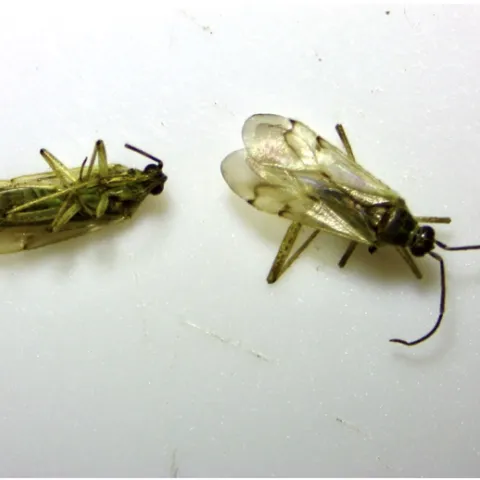
Photo by Help Desk Terri Takusagawa identifies client’s tomato bugs from a recent event at Our Garden.
UC Master Gardener Program of Contra Costa County: Article

Bug ID: It Takes a Team

September 18, 2023
By Sheila Weston In July, a client brought specimens of an insect to the Ask A Master Gardener table at Our Garden that he thought were damaging his tomato plants. They looked like flies but were actively moving around in the container. AAMG team members couldn't examine them at the table.
View Article
Primary Image
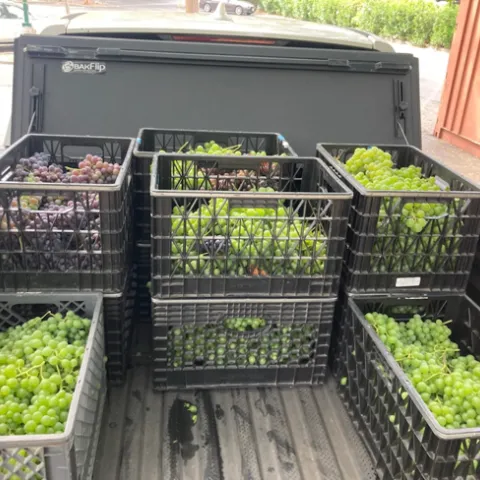
Photo by Greg Letts.
UC Master Gardener Program of Contra Costa County: Article

News From Our Garden

September 18, 2023
By Janet Miller Photos by Greg Letts The summer season at Our Garden has been one of our busiest and most productive. The year started out with more challenges than we have ever experienced.
View Article
Primary Image
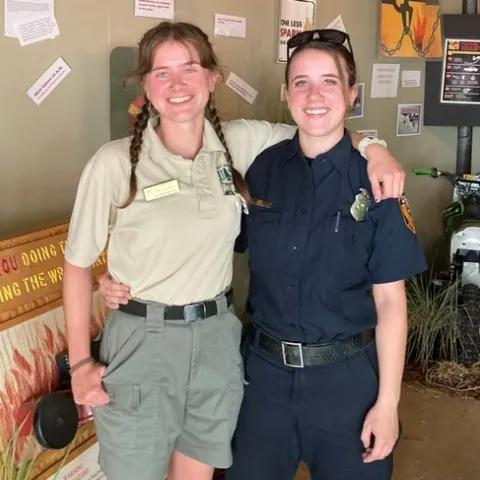
Emily Jackson, in a Forest Service uniform, stands next to her twin sister Lindsay, in her CAL FIRE uniform
Green Blog: Article

4-H youth project helps Siskiyou County prepare animals for emergencies

September 18, 2023
By Michael Hsu
With the McKinney Fire creeping closer to Yreka in the summer of 2022, Emily Jackson and her mother potentially faced the enormous task of getting all their goats, chickens, dogs and cats to safety while Emily's father and twin sister Lindsay were away fighting the fires.
View Article
Primary Image
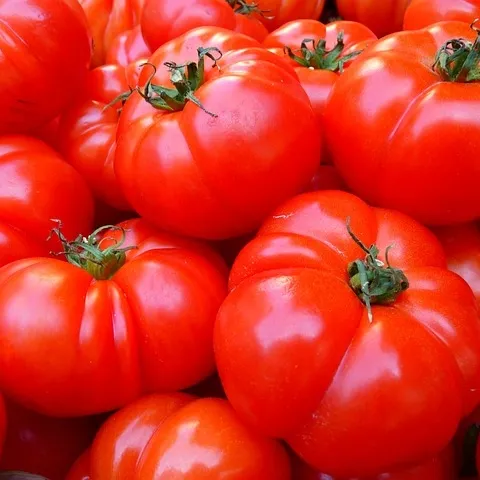
Perfectly ripe tomatoes for canning
Preservation Notes - San Joaquin Master Food Preservers: Article

Help Desk: Overripe Tomatoes

September 18, 2023
Question: Why is it not advised to use overripe tomatoes for home canning? Response: Using overripe tomatoes in home canning is not recommended for several important reasons, primarily related to safety and the quality of the canned product.
View Article