A Natural Solution for California's Herds: African Catfish Peptides

California's cattle producers and agricultural communities are all too familiar with the rising challenge of antibiotic resistance, making common bacterial infections harder to treat in livestock. But imagine a future where we could tackle these infections with a natural, powerful alternative. Our research points to just that: antimicrobial peptides (AMPs) found in African catfish.

We're really excited about these peptides because African catfish thrive in pathogen-rich freshwater, naturally producing these robust immune compounds in their skin mucus as a defense. This natural origin makes them highly appealing alternatives to synthetic drugs.

Predicted Safety and Potent Action

One of the most compelling aspects of these AMPs is their predicted safety for mammals. Our initial computer analyses suggest that various catfish AMPs are generally recognized as safe (GRAS). We predict they'll be absorbed in the human intestine without causing liver, brain, or heart toxicity. Furthermore, lab tests on a promising peptide, NACAP-II, confirmed it was non-hemolytic, meaning it didn't damage rabbit red blood cells—a strong indicator of its potential safety for mammalian cells.

Beyond safety, these peptides demonstrate effectiveness against problematic bacteria. One study revealed NACAP-II's strong activity against Extended-Spectrum Beta-Lactamase (ESBL)-producing Escherichia coli—a critical concern for both animal and human health due to its resistance to many common antibiotics. Another peptide, ACAP-IV, also showed antibacterial activity against E. coli and Staphylococcus aureus. We believe these AMPs work by directly disrupting bacterial cell membranes, a mechanism that makes it harder for bacteria to develop resistance compared to how they resist traditional antibiotics.

Vegetable Crops: Article

August 2023

September 15, 2023
In this issue: Planting tomatoes into old walnut ground Tomato spotted wilt virus in the north: increased incidence, unusual symptoms Updated processing tomato cost study Equipment sanitation field day summary Southern blight Seeking collaborators for broomrape research Seeking input on Yolo County...
View Article
Vegetable Crops: Article

April 19, 2023

September 15, 2023
In this issue: New vegetable crops adviser introduction N management in a wet spring Broomrape updates Had to work a wet field?
View Article
Article

Fall 2023

September 15, 2023
Promoting Healthy Eating & Physical Activity in the Classroom...
View Article
Primary Image
McIntoshs
Thriving Forward: Article

Meet John and Cindy McIntosh

September 15, 2023
By Matthew R Rodriguez
Recently I had a chance to interview John and Cindy McIntosh, long-time 4-H volunteers in Nevada county who also ran our Placer-Nevada summer camp this past year. The following are their responses to my questions.
View Article
Primary Image
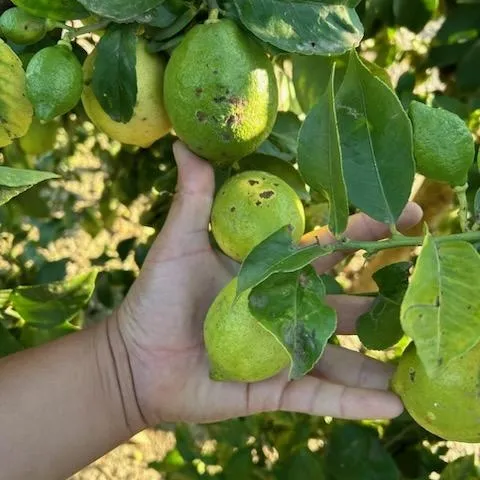
citrus edema fruit
Topics in Subtropics: Article

The New Growing Environment

September 15, 2023
By Ben A Faber
So what causes these wounds on leaves and fruit on lemons? Corky, sunken blisters on the leaves. Small divots in the fruit. Some of the spots had halos around them, but most not. That would indicate an infection of some sort. It was showing up in a large orchard near Santa Paula.
View Article
Primary Image
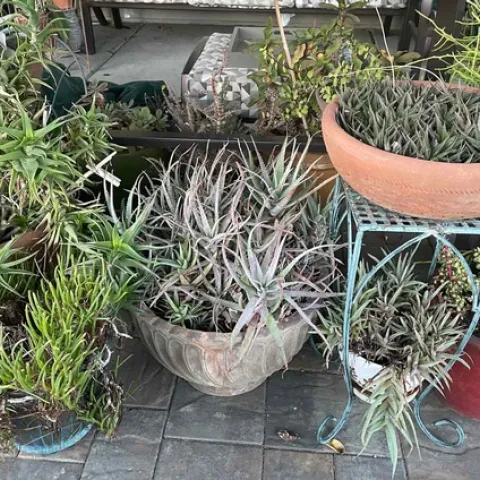
A display of succulents in containers. Container gardening is a new workshops in the Master Gardeners Fall Workshop Series. Jan Burnham
The Real Dirt: Article

Succulents: Make Your Own Plants!

September 15, 2023
Butte County has a Mediterranean climate where drought conditions occur naturally from May to October. A wide variety of succulent plants have become popular across the country in recent years, and our local gardeners are no exception.
View Article
Primary Image
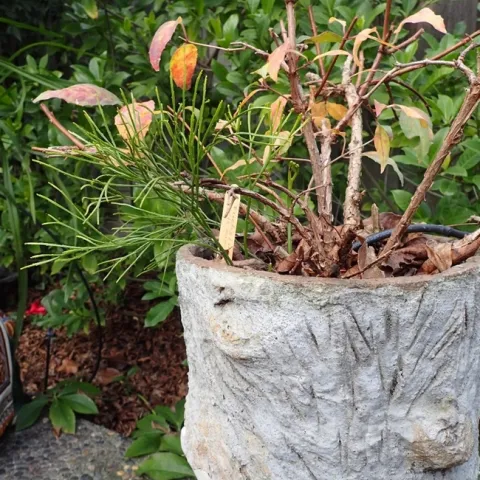
Mystery plant sharing a pot with a dormant Fuchsia. photos by Patricia Matteson
Under the Solano Sun: Article

Mystery Plant Quiz: What Is It?!

September 15, 2023
In January 2022, when pruning back a hybrid Fuchsia Angel's Earrings,' I was startled to discover a strange plant sharing its pot. The fuchsia had lived in our Suisun City yard since I bought it at the San Francisco Botanical Garden over a decade ago.
View Article
Primary Image
A monarch butterfly nectars on a Mexican sunflower (Tithonia rotundifola) in a Vacaville pollinator garden on Sept. 3, 2023. (Photo by Kathy Keatley Garvey)
Bug Squad: Article

Monarchs on the Move

September 14, 2023
By Kathy Keatley Garvey
For the past 13 days, monarchs have fluttered in and out of our Vacaville garden, nectaring on the Tithonia and zinnia. They are a beautiful sight.
View Article