A Natural Solution for California's Herds: African Catfish Peptides

California's cattle producers and agricultural communities are all too familiar with the rising challenge of antibiotic resistance, making common bacterial infections harder to treat in livestock. But imagine a future where we could tackle these infections with a natural, powerful alternative. Our research points to just that: antimicrobial peptides (AMPs) found in African catfish.

We're really excited about these peptides because African catfish thrive in pathogen-rich freshwater, naturally producing these robust immune compounds in their skin mucus as a defense. This natural origin makes them highly appealing alternatives to synthetic drugs.

Predicted Safety and Potent Action

One of the most compelling aspects of these AMPs is their predicted safety for mammals. Our initial computer analyses suggest that various catfish AMPs are generally recognized as safe (GRAS). We predict they'll be absorbed in the human intestine without causing liver, brain, or heart toxicity. Furthermore, lab tests on a promising peptide, NACAP-II, confirmed it was non-hemolytic, meaning it didn't damage rabbit red blood cells—a strong indicator of its potential safety for mammalian cells.

Beyond safety, these peptides demonstrate effectiveness against problematic bacteria. One study revealed NACAP-II's strong activity against Extended-Spectrum Beta-Lactamase (ESBL)-producing Escherichia coli—a critical concern for both animal and human health due to its resistance to many common antibiotics. Another peptide, ACAP-IV, also showed antibacterial activity against E. coli and Staphylococcus aureus. We believe these AMPs work by directly disrupting bacterial cell membranes, a mechanism that makes it harder for bacteria to develop resistance compared to how they resist traditional antibiotics.

Primary Image
2023 Fall HelpDesk
Garden Notes: Article

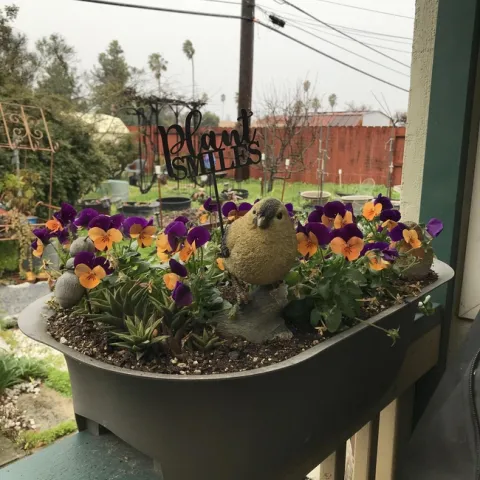
Help Desk: I'm a Senior; What's Best for Me to Plant This Season?

September 17, 2023
When choosing what to plant this season, it is important to look ahead and plan for both now and the coming months. The fall season is comprised of three months: October, November and December. Frost is possible in October, and the days are shorter and cooler.
View Article
Primary Image
photos courtesy of Pixabay
Garden Notes: Article

Horticultural Terms

September 17, 2023
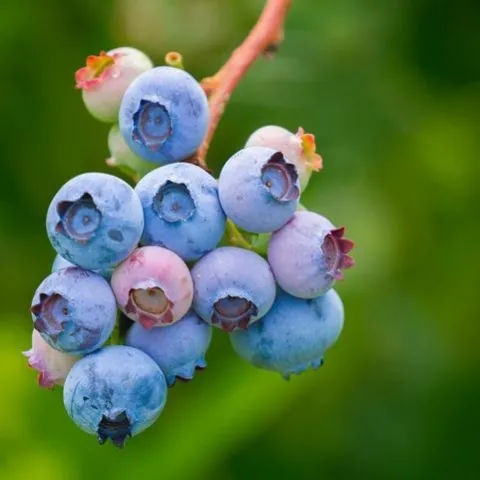
Horticultural Terms is where we introduce a unique word related to horticulture. Did you know the word horticulture is derived from the Latin hortus, garden, and colere, to cultivate. Let's take a look at this quarters term. Bacciferous: [bak-sif-er-us] adjective Botany.
View Article
Primary Image
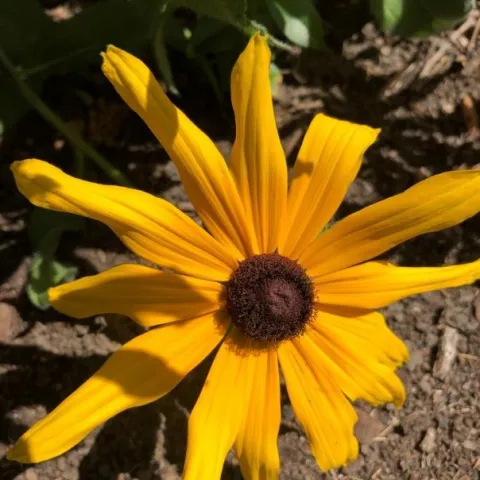
Black-eyed Susan (Rudbeckia fulgida ‘Goldstorm’) will brighten up your garden bed (photo by author)
Garden Notes: Article

Plants of the Season: October-December 2023

September 17, 2023
PERENNIAL: Rudbeckia fulgida var. sullivantii 'Goldsturm' This black-eyed Susan cultivar has ample pest and disease resistance, and an extra-long blooming time. Hence it is easy to see why this cultivar won the Perennial Plant Association's Plant of the Year Award in 1999.
View Article
Primary Image
2023 Fall Oatmeal
Garden Notes: Article

Recipes from the Garden: A Taste of the Season

September 17, 2023
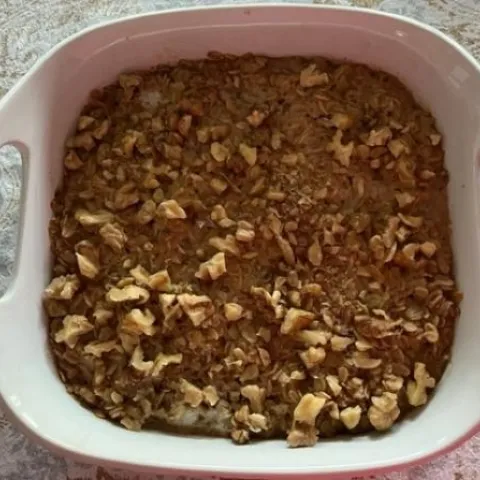
Well, it's that time of year when we say goodbye to the salads of summer. As the days shorten and cool, we crave the comforts of fall. Fall casseroles take a leading role in providing a family meal that is both warm and fulfilling. Casseroles can highlight seasonal fall favorites and produce.
View Article
Primary Image
centranthus-ruber-884234 1280 Pixbay
Napa Master Gardener Column: Article

Jupiter’s beard and Clarkia: Butterfly Magnets

September 16, 2023
I have two plants in my garden that are magnets for pollinators and butterflies. Both plants put on quite a flower show and are drought tolerant. Given our ongoing issues with water, this latter feature should be priority for all of us.
View Article
Primary Image
UC Davis Chancellor Gary May congratulates the California Master Beekeeper Program. With him are co-program managers Wendy Mather and Kian Nikzad. (Photo by Kathy Keatley Garvey)
Bug Squad: Article

A Tip of the Bee Veil to the California Master Beekeeper Program

September 15, 2023
By Kathy Keatley Garvey
If it takes a village to raise a child, it takes a colony of honey bees to show us how to divide the labor and work well together. And if you're part of the UC Davis-based California Master Beekeeper Program (CAMBP), it takes a lot of worker bees from all facets to succeed.
View Article
Monterey County: Article

4-H Leader's Council September Meeting - postponed

September 15, 2023
Dear members of the Monterey County 4-H Leaders Council, 4-H Leaders Council meeting scheduled for September 19th has been postponed due to scheduling conflicts. An alternative date will be issued when more information becomes available.
View Article