A Natural Solution for California's Herds: African Catfish Peptides

California's cattle producers and agricultural communities are all too familiar with the rising challenge of antibiotic resistance, making common bacterial infections harder to treat in livestock. But imagine a future where we could tackle these infections with a natural, powerful alternative. Our research points to just that: antimicrobial peptides (AMPs) found in African catfish.

We're really excited about these peptides because African catfish thrive in pathogen-rich freshwater, naturally producing these robust immune compounds in their skin mucus as a defense. This natural origin makes them highly appealing alternatives to synthetic drugs.

Predicted Safety and Potent Action

One of the most compelling aspects of these AMPs is their predicted safety for mammals. Our initial computer analyses suggest that various catfish AMPs are generally recognized as safe (GRAS). We predict they'll be absorbed in the human intestine without causing liver, brain, or heart toxicity. Furthermore, lab tests on a promising peptide, NACAP-II, confirmed it was non-hemolytic, meaning it didn't damage rabbit red blood cells—a strong indicator of its potential safety for mammalian cells.

Beyond safety, these peptides demonstrate effectiveness against problematic bacteria. One study revealed NACAP-II's strong activity against Extended-Spectrum Beta-Lactamase (ESBL)-producing Escherichia coli—a critical concern for both animal and human health due to its resistance to many common antibiotics. Another peptide, ACAP-IV, also showed antibacterial activity against E. coli and Staphylococcus aureus. We believe these AMPs work by directly disrupting bacterial cell membranes, a mechanism that makes it harder for bacteria to develop resistance compared to how they resist traditional antibiotics.

Event Primary Image
International Year of Rangelands and Pastoralist Logo featuring herding people with domestic and wildlife
Livestock and Range: Event

North American Regional Women Pastoralist Gathering Registration and Event Information

Event Date
Feb 7, 2026

2026 brings a unique opportunity with two International Year designations by the United Nations - the International Year of the Women Farmer and Rancher as well as the International Year of Rangelands and Pastoralists.  The intersection of the two years aligns with a Global Gathering of pastoralist…
Livestock and Range
View Event
Primary Image
International Year of Rangelands and Pastoralist Logo featuring herding people with domestic and wildlife
Livestock and Range: Page

North American Regional Women Pastoralist Gathering Speakers

 Sarah King, Keynote Speaker Sarah King is a rancher and the Executive Director of the Altar Valley Conservation Alliance. Sarah and her husband, Joe, manage their family's cattle ranch in southern Arizona. They have two kids who are the 5th generation to live on the Anvil Ranch…
View Page
UC Master Gardeners of Tulare and Kings County: Article

There's Still Time to Plant Berries

January 10, 2026
By Michelle Le Strange
 With this cold winter weather, one has a hard time wanting to go outside and dig in the garden, but that is exactly what we should be doing. Bare-root planting season is in full swing: roses, fruit trees, asparagus, rhubarb, but let's not forget the berries. Most likely, you'll need to shop for berries…
View Article
Event Primary Image
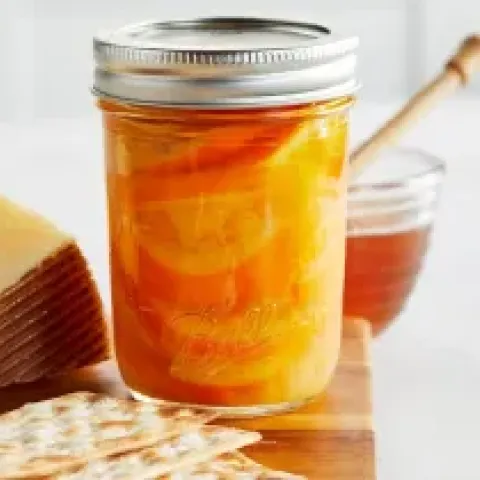
jar of sliced oranges in honey syrup
UCCE Master Food Preservers of Fresno, Madera, and Merced: Event

Honey Orange Slices Workshop (Madera)

Event Date
Jan 16, 2026

Need ideas for all of that extra back yard citrus? Join our Master Food Preserver team for a hands on workshop learning how to can your oranges while they are fresh and ripe. 
UCCE Master Food Preservers of Fresno, Madera, and Merced
View Event
Event Primary Image
2026 UCCE South Sacramento Valley Almond Grower Meeting (JPG 289 KB)
Cooperative Extension, Sutter-Yuba Counties: Event

2026 UCCE South Sacramento Valley Almond Grower Meeting

Event Date
Jan 29, 2026

2026 UCCE South Sacramento Valley Almond Grower Meeting January 29, 2026 | 8:00 a.m.–12:15 p.m. Arbuckle Golf Club, 5918 Hillgate Rd, Arbuckle UC Cooperative Extension hosts a half-day almond grower meeting covering pest management, nutrient management, regulatory updates, and current research. PCA and CCA…
Cooperative Extension, Sutter-Yuba Counties
View Event
Primary Image
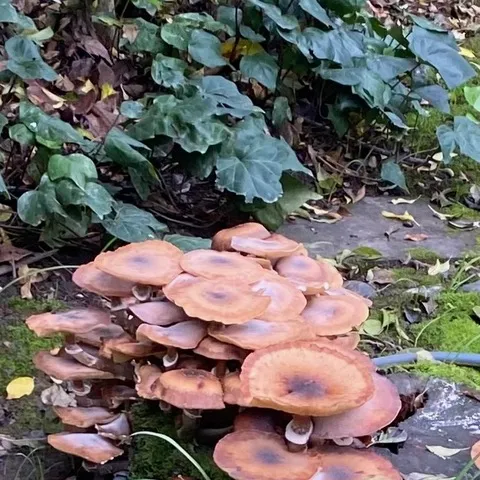
Honey mushrooms
Napa Master Gardener Column: Article

A Tale of Two Fungi

January 9, 2026
By Michael Lecours
By Cindy Watter, UC Master Gardener of Napa County.Last year I was fired up with the urge to clean out my junk shed and turn it into my tool shed. I marched to the southwest corner of my yard and promptly fell, thigh deep, into a hole that opened beneath me. It didn’t take me long to realize what had…
View Article
Primary Image
Short mushrooms growing at the edge of a lawn along mowing strip. Caps of mushrooms are whitish to light brown and appear cracked. Caps are flat with edges rolled down slightly.
Pests in the Urban Landscape: Article

Rains Bring Lawn Mushrooms

January 9, 2026
By Belinda Messenger-Sikes
Winter rains and damp conditions in many parts of California may have brought a surprise visitor to your lawn: mushrooms! A few mushrooms sprouting in your lawn can be a good sign: it means there's plenty of organic matter in the soil. But if patches of mushrooms are sprinkled across your lawn, something…
View Article
Primary Image
International Year of Rangelands and Pastoralist Logo featuring herding people with domestic and wildlife
Livestock and Range: Page

North American Regional Women Pastoralist Gathering

To celebrate the International Year of Rangelands and Pastoralist AND the International Year of the Woman Farmer and Rancher, we are holding a North American Regional Women Pastoralist Gathering in Monterey, CA on February 7, 2026.  A group of ranching women across the United States and Canada have been…
View Page
Primary Image
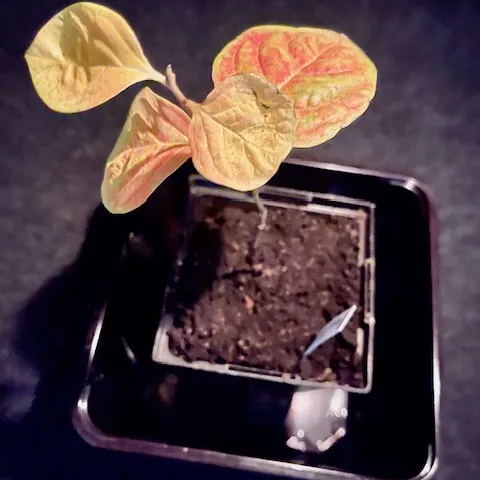
persimmon tree seedling in a pot

My Favorite Fuyu Persimmon

January 9, 2026
By Jennifer M Baumbach
My favorite fruit tree is a Japanese 'Diospyrus Kaki Fuyu' persimmon growing in our front side yard.  It was a thin, spindly 3-foot stick when we planted it around 18 years ago.  Our soil is heavy rock and clay, but persimmons are hardy trees known to tolerate less than ideal conditions, although…
View Article