A Natural Solution for California's Herds: African Catfish Peptides

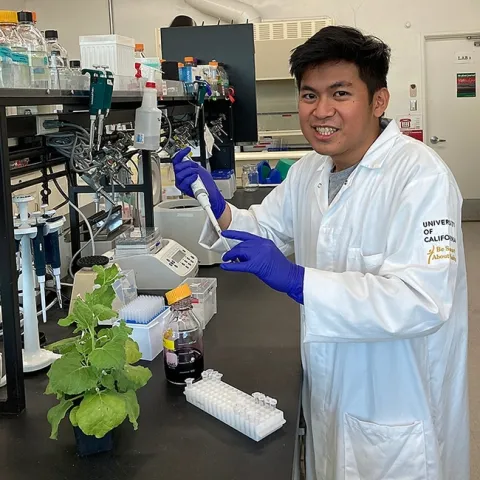
California's cattle producers and agricultural communities are all too familiar with the rising challenge of antibiotic resistance, making common bacterial infections harder to treat in livestock. But imagine a future where we could tackle these infections with a natural, powerful alternative. Our research points to just that: antimicrobial peptides (AMPs) found in African catfish.

We're really excited about these peptides because African catfish thrive in pathogen-rich freshwater, naturally producing these robust immune compounds in their skin mucus as a defense. This natural origin makes them highly appealing alternatives to synthetic drugs.

Predicted Safety and Potent Action

One of the most compelling aspects of these AMPs is their predicted safety for mammals. Our initial computer analyses suggest that various catfish AMPs are generally recognized as safe (GRAS). We predict they'll be absorbed in the human intestine without causing liver, brain, or heart toxicity. Furthermore, lab tests on a promising peptide, NACAP-II, confirmed it was non-hemolytic, meaning it didn't damage rabbit red blood cells—a strong indicator of its potential safety for mammalian cells.

Beyond safety, these peptides demonstrate effectiveness against problematic bacteria. One study revealed NACAP-II's strong activity against Extended-Spectrum Beta-Lactamase (ESBL)-producing Escherichia coli—a critical concern for both animal and human health due to its resistance to many common antibiotics. Another peptide, ACAP-IV, also showed antibacterial activity against E. coli and Staphylococcus aureus. We believe these AMPs work by directly disrupting bacterial cell membranes, a mechanism that makes it harder for bacteria to develop resistance compared to how they resist traditional antibiotics.


Primary Image
Dead and dying coffeeberry (Frangula californica) shrubs are clearly visible in a failing restoration in a coastal scrub site in San Mateo County, dominated by shrubs with occasional small groups of trees. Phytophthora crassamura and P. megasperma were both isolated directly from symptomatic tissue and from the rhizosphere (i.e. soil and fine roots) of diseased plants. Photo by Laura Sims.
Green Blog: Article

Phytophthora invasions linked to ecological restorations

March 22, 2021
By Pamela S Kan-Rice
Biological invasions are one of the three main causes for biodiversity loss globally, together with urbanization and climate change. Not unlike animals and plants, microbes can become invasive in non-native ecosystems.
View Article
Primary Image
Bush full of bright yellow lemons.
The Stanislaus Sprout: Article

Thinking of Planting a Citrus Tree? Now's the Time.

March 22, 2021
By Anne E Schellman
Citrus trees can be planted any time after the danger of frost has passed, which in our area is usually around mid-to-late March. It's a good idea to plant citrus early try to have your trees in the ground by May because a sudden hot spell may damage trees that are not well established.
View Article
Primary Image
citrus red mite damage
Topics in Subtropics: Article

Citrus Mite Zoom

March 22, 2021
By Ben A Faber
David Haviland, UCCE Farm Advisor discussed integrated pest management for five different species of mites that cause economic damage to citrus, including proper identification, monitoring, and tools for management. Biological control was also be discussed, including the use of predatory mites.
View Article
Primary Image
Julie pic
Spill the Beans: Article

Spring in the Garden

March 22, 2021
by Julie Pramuk February 10 It's a bright sunny morning in our Alta Heights garden in Napa. Sweet peas planted in early November are reaching for the fence. Garlic planted in front of the sweet peas are shooting up.
View Article
Primary Image
CUTLINE: First-generation, vision-based, intelligent cultivators are now available to help control weeds in specialty crops. (Photo courtesy of Steve Fennimore, University of California, Davis.)
UC Weed Science (weed control, management, ecology, and minutia): Article

Can Artificial Intelligence Help Growers Win the Weed Wars?

March 21, 2021
By Gale Perez
From the Weed Science Society of America (WSSA) HEADLINES March 17, 2021 * * * * * * * * * * * WESTMINSTER, Colorado March 17, 2021 Weed control in vegetables, flowers and herbs can be incredibly labor intensive, experts with the Weed Science Society of America (WSSA) say.
View Article
Primary Image
Lillies Kill Kitties: Photo courtesy of cathealth.com
The Coastal Gardener : Article

Easter Lilies Kills Kitties

March 20, 2021
By Sherida J Phibbs
Easter is right around the corner and one of the most commonly gifted plant during this holiday is the Easter Lily (Lilium longiflorum).
View Article
Primary Image
Herbs hanging to dry.
The Coastal Gardener : Article

Preserving the Earliest Harvest: Herbs

March 20, 2021
By Sherida J Phibbs
The perennials: rosemary; thyme; mints; oregano; sage, and annuals: basil; parsley; chives; dill & more, all can be preserved for year-round use as seasonings or for tea. Herbs should be harvested before they blossom, picked soon after the morning dew has dried for best quality.
View Article
Primary Image
a Desert tortoise with it's head mostly tucked in.
California Naturalist: Article

Tomorrow’s environments will be different

March 20, 2021
A "Natural History Note" From UC California Naturalist's lead scientist, Dr. Cameron Barrows. In nature, species are constantly striving to be better species.
View Article
Primary Image
Lynn Kimsey, director of the Bohart Museum of Entomology and UC Davis professor of entomology. (Photo by Kathy Keatley Garvey)
Bug Squad: Article

Happy Taxonomists' Appreciation Day!

March 19, 2021
By Kathy Keatley Garvey
Have you hugged your taxonomist yet today? No? Probably can't due to the COVID-19 pandemic, but at least we can honor them every March 19 on Taxonomists' Appreciation Day. Basically, taxonomy is the science of describing, naming, defining and classifying organisms, both alive and extinct.
View Article