A Natural Solution for California's Herds: African Catfish Peptides

California's cattle producers and agricultural communities are all too familiar with the rising challenge of antibiotic resistance, making common bacterial infections harder to treat in livestock. But imagine a future where we could tackle these infections with a natural, powerful alternative. Our research points to just that: antimicrobial peptides (AMPs) found in African catfish.

We're really excited about these peptides because African catfish thrive in pathogen-rich freshwater, naturally producing these robust immune compounds in their skin mucus as a defense. This natural origin makes them highly appealing alternatives to synthetic drugs.

Predicted Safety and Potent Action

One of the most compelling aspects of these AMPs is their predicted safety for mammals. Our initial computer analyses suggest that various catfish AMPs are generally recognized as safe (GRAS). We predict they'll be absorbed in the human intestine without causing liver, brain, or heart toxicity. Furthermore, lab tests on a promising peptide, NACAP-II, confirmed it was non-hemolytic, meaning it didn't damage rabbit red blood cells—a strong indicator of its potential safety for mammalian cells.

Beyond safety, these peptides demonstrate effectiveness against problematic bacteria. One study revealed NACAP-II's strong activity against Extended-Spectrum Beta-Lactamase (ESBL)-producing Escherichia coli—a critical concern for both animal and human health due to its resistance to many common antibiotics. Another peptide, ACAP-IV, also showed antibacterial activity against E. coli and Staphylococcus aureus. We believe these AMPs work by directly disrupting bacterial cell membranes, a mechanism that makes it harder for bacteria to develop resistance compared to how they resist traditional antibiotics.
Primary Image
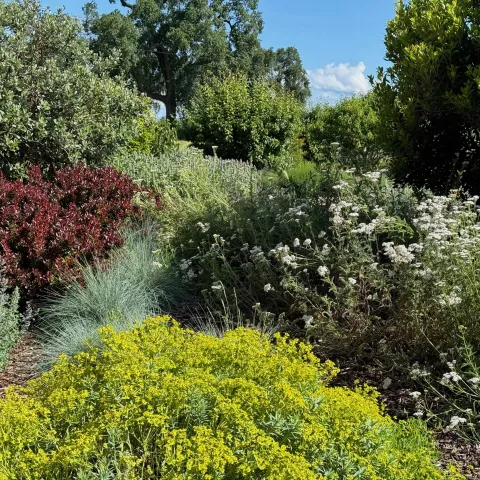
California Native Plants section in the Demo Garden at Patrick Ranch. Laura Kling
Blog

The Real Dirt

The Real Dirt blog covers regional gardening issues from soil health to planting for pollinators; from fire resistant landscaping to attracting wildlife. Read all about it!
View Blog
Blog

ANR News Releases

News releases share the latest updates on Extension activities and impact by scientists and staff across UC Agriculture and Natural Resources.
View Blog
UC Master Gardeners of Merced County: Article

Garden To-Dos: June 2026

May 22, 2026
By Allison Plagenza
By Pat Shay, UC Master Gardener of Merced CountyHarvest herbs – cut sprigs just before bloom for best taste. Continue to monitor pests and remove with spray from hose. Try to avoid unnecessary chemical controls. Mulch to help retain moisture in soil and slow weeds. Leave ground open from base of plant to…
View Article
Primary Image
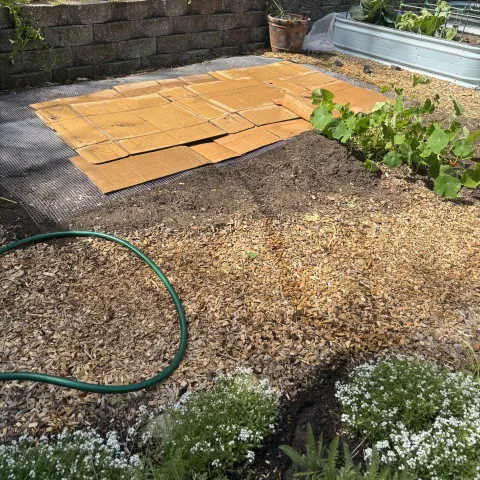
Photo of cardboard layer on soil with hardware cloth beneath the cardboard
Napa Master Gardener Column: Article

Darn Those Ground Squirrels!

May 22, 2026
By Melanie Marshall, UC Master Gardener of Napa County.  Many gardeners in Napa County have observed a rise in ground squirrel activity in their neighborhoods. If you are concerned about how this may impact your vegetable gardening efforts, there is no need to lose hope.   After careful research…
View Article
Event Primary Image
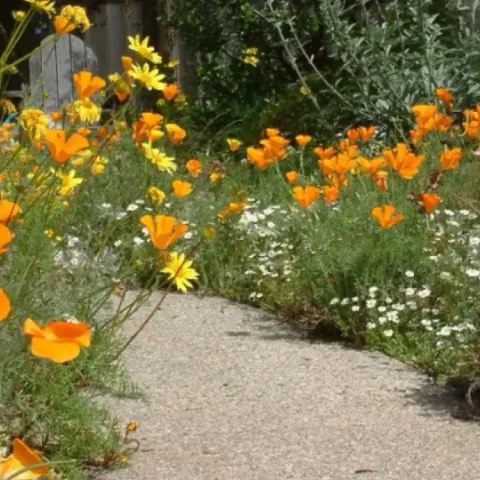
ca natives wildflower poppies in native garden
UC Master Gardeners of Merced County: Event

California Native Plants Workshop

Event Date
Jun 13, 2026

UC Master Gardeners of Merced County presents "California Native Plants", a Public Workshop on Saturday, June 13th from 10am-12pm. Presenter: Jim Brugger, California Native Plant Society In this workshop, participants will learn: 1. Why native plants are important 2. How native plants can be incorporated…
UC Master Gardeners of Merced County
View Event
Workplace Inclusion and Belonging: Page

Climate Initiative

UC Agriculture and Natural Resources is committed to fostering freedom of expression and the free exchange of ideas, while also protecting safety, access, and a respectful environment for students, staff, faculty, other academic appointees, and volunteers.UC ANR does not discriminate on the basis of race,…
View Page