A Natural Solution for California's Herds: African Catfish Peptides

California's cattle producers and agricultural communities are all too familiar with the rising challenge of antibiotic resistance, making common bacterial infections harder to treat in livestock. But imagine a future where we could tackle these infections with a natural, powerful alternative. Our research points to just that: antimicrobial peptides (AMPs) found in African catfish.

We're really excited about these peptides because African catfish thrive in pathogen-rich freshwater, naturally producing these robust immune compounds in their skin mucus as a defense. This natural origin makes them highly appealing alternatives to synthetic drugs.

Predicted Safety and Potent Action

One of the most compelling aspects of these AMPs is their predicted safety for mammals. Our initial computer analyses suggest that various catfish AMPs are generally recognized as safe (GRAS). We predict they'll be absorbed in the human intestine without causing liver, brain, or heart toxicity. Furthermore, lab tests on a promising peptide, NACAP-II, confirmed it was non-hemolytic, meaning it didn't damage rabbit red blood cells—a strong indicator of its potential safety for mammalian cells.

Beyond safety, these peptides demonstrate effectiveness against problematic bacteria. One study revealed NACAP-II's strong activity against Extended-Spectrum Beta-Lactamase (ESBL)-producing Escherichia coli—a critical concern for both animal and human health due to its resistance to many common antibiotics. Another peptide, ACAP-IV, also showed antibacterial activity against E. coli and Staphylococcus aureus. We believe these AMPs work by directly disrupting bacterial cell membranes, a mechanism that makes it harder for bacteria to develop resistance compared to how they resist traditional antibiotics.
The Stanislaus Sprout: Article

Cool Garden Tools for Dad: Practical, Fun, and Perfect for Any Green Thumb

May 26, 2026
By Barbara Kissinger Santos
If your dad loves spending time in the garden, you know it’s more than just a hobby—it’s his happy place, his sanctuary, and sometimes even his “office.” Whether he’s pruning roses, planting vegetables, or just relaxing among his plants, thoughtful garden gear can make a big difference. From clever multi-use…
View Article
Primary Image
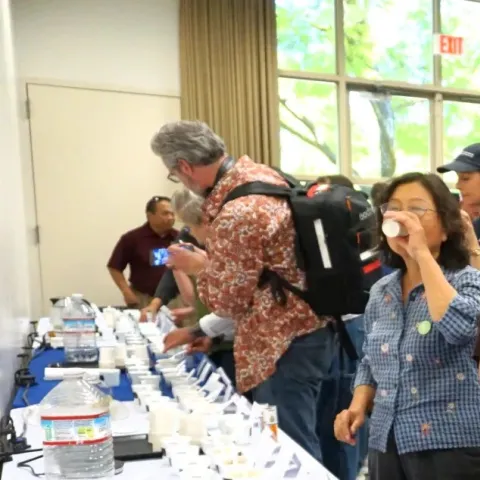
Grupo de personas degustando varios tipos de té.
Blog de Alimentos: Article

Expertos de UC exploran potencial del cultivo de té en California

May 26, 2026
By Michael Hsu
 Centro de UC ANR ayudará a optimizar la producción de té, la cual ofrece mayor ganancia en menos superficieCada taza de té comienza mucho antes del primer sorbo. Detrás de su aroma y del momento de calma que ofrece, hay una historia que empieza en el campo. El té es la segunda bebida más popular…
View Article
Primary Image
DroneCamp logo
ANR Employee News: Article

DroneCamp Marks 10th Anniversary Aug. 3-6

May 26, 2026
By Andy Lyons
DroneCamp 2026 marks its 10th anniversary this August. The annual week-long short course on using drones for research, mapping, and education was launched by UC ANR's Informatics and GIS Statewide Program (IGIS) in 2017, and is now a major inter-campus collaboration held each summer at CSU Monterey Bay.
View Article
Primary Image
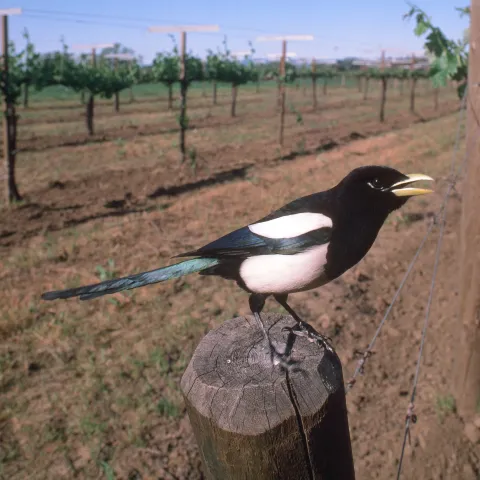
Yellow-billed Magpie. UC IPM Program
The Real Dirt: Article

Yellow-Billed Magpie

May 25, 2026
Magpies are amazing birds! They are strikingly handsome, intelligent, and bold. They build nests with domed roofs and side entrances and decorate these homes with the bright shiny objects they collect. They hold funeral services for their dead. They can mimic human speech. A cartoon pair, the yellow-billed…
View Article
Primary Image
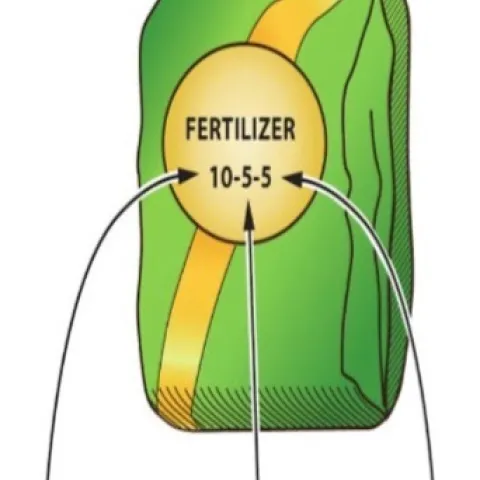
Illustration of a green and gold fertilizer bag showing ratios of 10% nitrogen, 5% phosphate, and 5% potassium.
The Savvy Sage: Article

Fertilizer Use in the Garden

May 25, 2026
By Caroline Gengo
Plants make their own food through photosynthesis (converting water and carbon dioxide into sugar and oxygen using solar energy). When we fertilize a plant, we are adding specific nutrients to the plant’s environment to support growth or maintenance. Many of the fertilizers we buy include some combination of…
View Article
Primary Image
Civil War scene, colorbearer shot. This work, "The Siege of Vicksburg--Assault on Fort Hill," is by Swedish-born American illustrator Thure de Thulstrup (1848-1930), whom his contemporary critics considered "the foremost military artist in America." (Image courtesy of Wikipedia)

Memorial Day and Memories

May 25, 2026
By Kathy Keatley Garvey
 Today, on Memorial Day, May 25, 2026, we pay tribute to America's fallen soldiers, and those who served in the military."The Civil War was America's bloodiest conflict.  The unprecedented violence of battles such as Shiloh, Antietam, Stones River, and Gettysburg shocked citizens and international…
View Article
Primary Image
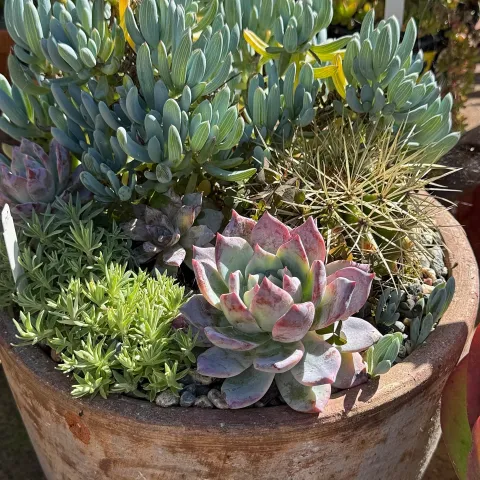
Succulents planted in a terra cotta pot
UC Marin Master Gardeners: Article

Succulents

May 25, 2026
 Succulents are one of the most ideal plants you can add to your Marin County garden. These resilient plants come in every shape and size as well as in a variety of textures and colors.  Much appreciated by busy gardeners, succulents are drought-tolerant, don’t mind some neglect, and readily adapt…
View Article
Event Primary Image
UC Master Gardeners of San Mateo & San Francisco Counties: Event

How We Planned, Planted and Now Care for our California Native Garden

Event Date
Jun 5, 2026

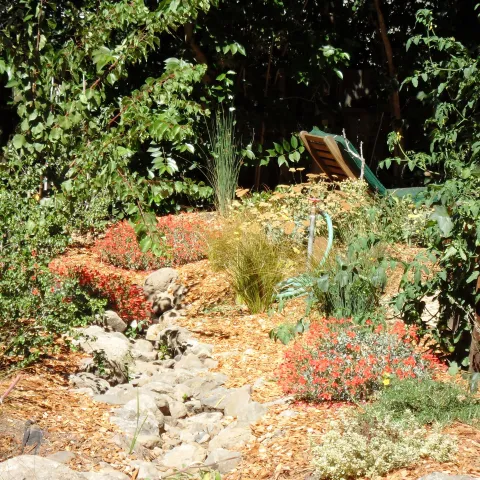
UC Master Gardener Leslie Muennemann will share her family's journey of creating a native landscape. While working and raising a family for a few decades, their previously landscaped yard reverted to its natural state. Once Leslie and her family had more time, they decided to create a garden…
UC Master Gardeners of San Mateo & San Francisco Counties
View Event