A Natural Solution for California's Herds: African Catfish Peptides

California's cattle producers and agricultural communities are all too familiar with the rising challenge of antibiotic resistance, making common bacterial infections harder to treat in livestock. But imagine a future where we could tackle these infections with a natural, powerful alternative. Our research points to just that: antimicrobial peptides (AMPs) found in African catfish.

We're really excited about these peptides because African catfish thrive in pathogen-rich freshwater, naturally producing these robust immune compounds in their skin mucus as a defense. This natural origin makes them highly appealing alternatives to synthetic drugs.

Predicted Safety and Potent Action

One of the most compelling aspects of these AMPs is their predicted safety for mammals. Our initial computer analyses suggest that various catfish AMPs are generally recognized as safe (GRAS). We predict they'll be absorbed in the human intestine without causing liver, brain, or heart toxicity. Furthermore, lab tests on a promising peptide, NACAP-II, confirmed it was non-hemolytic, meaning it didn't damage rabbit red blood cells—a strong indicator of its potential safety for mammalian cells.

Beyond safety, these peptides demonstrate effectiveness against problematic bacteria. One study revealed NACAP-II's strong activity against Extended-Spectrum Beta-Lactamase (ESBL)-producing Escherichia coli—a critical concern for both animal and human health due to its resistance to many common antibiotics. Another peptide, ACAP-IV, also showed antibacterial activity against E. coli and Staphylococcus aureus. We believe these AMPs work by directly disrupting bacterial cell membranes, a mechanism that makes it harder for bacteria to develop resistance compared to how they resist traditional antibiotics.
Nutrition Policy Institute News: Article

New study finds deimplementing Universal Free School Meals adversely affects students and school food authorities

November 17, 2025
By Brianna Aguayo Villalon, Danielle Lee, Monica D Zuercher, Wendi Gosliner
The National School Lunch Program and School Breakfast Program play a crucial role in ensuring access to nutritious meals for children in the US. During the COVID-19 pandemic, federal waivers allowed all schools to offer Universal Free School Meals (UFSM) from 2020 to 2022, but when these waivers expired,…
View Article
Primary Image
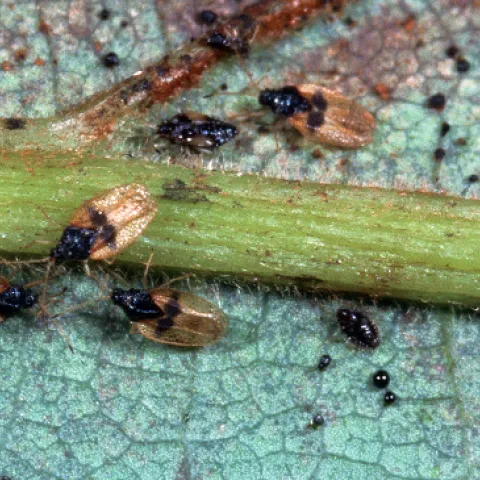
ALB Feeding Damage
Topics in Subtropics: Article

Avocado Lace Bug

November 17, 2025
By Hamutahl Cohen
The avocado lace bug (Pseudacysta perseae) is an expanding threat to avocado production in California. This bug was first described in Florida in 1908. Although it was assumed to be native to Florida, research from UC Riverside funded by the California Avocado Commission identified that it originated from…
View Article
UC Master Gardeners of Tulare and Kings County: Article

Coral Bells are Sure to Delight

November 15, 2025
By Pam Wallace, UC Master Gardener of Tulare/Kings County
Coral bells (Heuchera) are an excellent border plant and an old favorite of many gardeners. The plants are compact, bushy, and grow in tufts; the flower stem grows 1½ or 2 feet high. You've probably noticed their delicate, wand-like flowering stalks lined with small, bell-shaped red, pink, or white flowers…
View Article
The Savvy Sage: Article

Planting Native Annual Flowers for Earliest Spring Blooms

November 15, 2025
By Deborah Cunningham
 Article and photos by Megan Smith -  I have to say, fall could be my very favorite time of year. Not necessarily because the garden is bursting with abundance and color, in fact quite the opposite. Plants are shutting themselves down, ending their life cycle or going dormant. Most everything…
View Article
Primary Image
Permeable walkway
Napa Master Gardener Column: Article

Catch The Rain

November 15, 2025
By Michael Lecours
By Carol Glaser, UC Master Gardener of Napa County. When our first fall rains arrive, we gardeners breathe a sigh of relief. We need this moisture, and so does the soil after the long, hot dry spell of summer. Our fall and winter rain is precious, but home builders and engineers have worked hard to move…
View Article
Event Primary Image
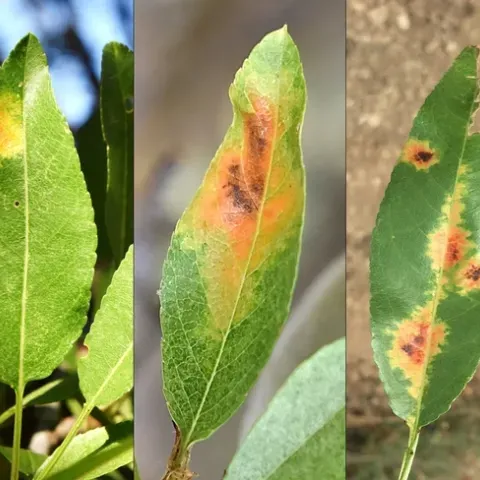
Three leaves with large, yellow-orange blotches that turn reddish-brown in their center
UC Ag Experts Talk Webinar Series: Event

UC Ag Experts Talk: Epidemiology and Control of the Invasive Red Leaf Blotch Disease of Almond

Event Date
Feb 18, 2026

This webinar is part of the UC Ag Experts Talk series. Dr. Florent Trouillas, Associate Cooperative Extension Specialist with the Department of Plant Pathology at UC Davis and the Kearney Agricultural Research and Extension Center, will go over the main symptoms of red leaf blotch disease in almond including…
UC Ag Experts Talk Webinar Series
View Event
Primary Image
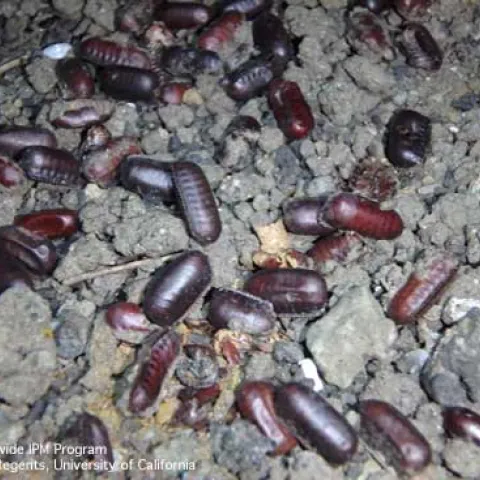
Oblong, dark brown insect egg cases.
Urban and Community IPM Capital Corridor: Page

MUH test

 Contracting      Importance of IPM     Importance of IPM Contracting Recordkeeping Plans & Policies Pest Resources Outreach to Residents  
View Page