A Natural Solution for California's Herds: African Catfish Peptides

California's cattle producers and agricultural communities are all too familiar with the rising challenge of antibiotic resistance, making common bacterial infections harder to treat in livestock. But imagine a future where we could tackle these infections with a natural, powerful alternative. Our research points to just that: antimicrobial peptides (AMPs) found in African catfish.

We're really excited about these peptides because African catfish thrive in pathogen-rich freshwater, naturally producing these robust immune compounds in their skin mucus as a defense. This natural origin makes them highly appealing alternatives to synthetic drugs.

Predicted Safety and Potent Action

One of the most compelling aspects of these AMPs is their predicted safety for mammals. Our initial computer analyses suggest that various catfish AMPs are generally recognized as safe (GRAS). We predict they'll be absorbed in the human intestine without causing liver, brain, or heart toxicity. Furthermore, lab tests on a promising peptide, NACAP-II, confirmed it was non-hemolytic, meaning it didn't damage rabbit red blood cells—a strong indicator of its potential safety for mammalian cells.

Beyond safety, these peptides demonstrate effectiveness against problematic bacteria. One study revealed NACAP-II's strong activity against Extended-Spectrum Beta-Lactamase (ESBL)-producing Escherichia coli—a critical concern for both animal and human health due to its resistance to many common antibiotics. Another peptide, ACAP-IV, also showed antibacterial activity against E. coli and Staphylococcus aureus. We believe these AMPs work by directly disrupting bacterial cell membranes, a mechanism that makes it harder for bacteria to develop resistance compared to how they resist traditional antibiotics.

Cooperative Extension Ventura County: Article

Landscape Notes Volume 27, Issue 2

July 30, 2018
You are Invited to Attend the 2018 Chiricahua Rendezvous. The Chiricahua Rendezvous is a meeting of arborists, naturalists, and biologists to study trees and their adaptations in the Chiricahua Mountains of South East Arizona.
View Article
Primary Image
Tea tree
UC Master Gardeners- Diggin' it in SLO: Article

Tea Trees

July 30, 2018
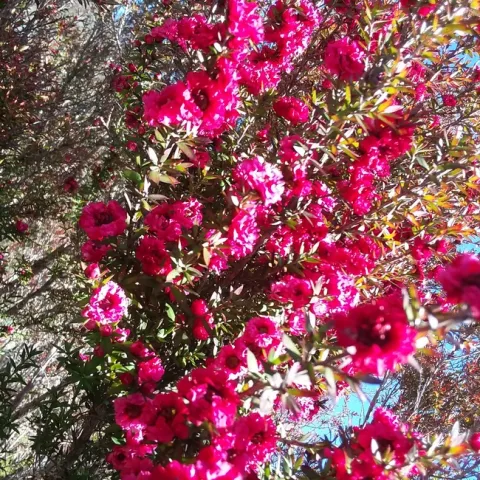
New Zealand Tea Tree By Polly Nelson UCCE Master Gardener Leptospermum scoparium; Myrtaceae Planting Zone: 14-24 (Sunset) Size of plant: height 6-15 feet; spread 3-6 feet Bloom description and season: -1 single or double showy flowers in red, pink or white petals surround a hard center cone that mat...
View Article
Primary Image
Figure 1
Nut, Olive and Prune Programmatic News: Article

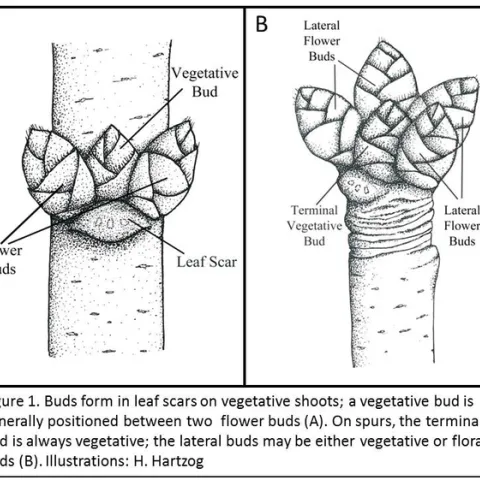
The dynamic state of spurs in almond

July 30, 2018
By Elizabeth J Fichtner
Over 80% of the almond crop is borne on short, compact vegetative shoots called spurs. Each season, however, only a portion of the spur population on a given tree supports fruit production.
View Article
Primary Image
Manzanita bark
UC Environmental Stewards Blog: Article

Program Highlights July 21-28

July 30, 2018
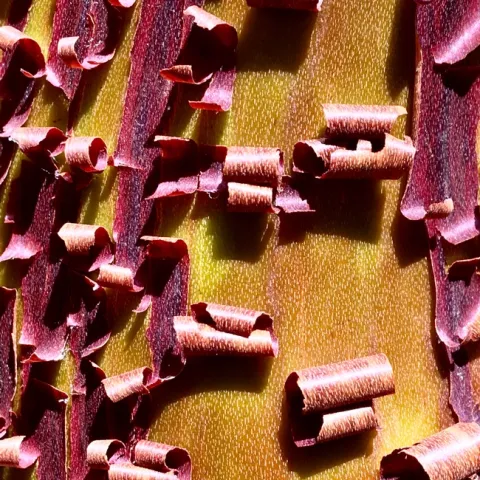
What's going on when manzanitas (Arctostaphylos sp) and Pacificmadrone (Arbutusmenziesii) peel their beautiful smooth red bark into cinnamon-like curls? Trees and shrubs with smooth bark lack a thick woody bark layer, so they need to employ alternative protective strategies.
View Article
Green Blog: Article

Hot weather tips for the summer garden

July 30, 2018
By Melissa G Womack
This week much of California is under a heat advisory or excessive heat warning, with high temperatures estimated to range from 90 to 108 degrees. Many home gardeners are wondering how they can help their plants, trees or shrubs survive the intense summer heat.
View Article