A Natural Solution for California's Herds: African Catfish Peptides

California's cattle producers and agricultural communities are all too familiar with the rising challenge of antibiotic resistance, making common bacterial infections harder to treat in livestock. But imagine a future where we could tackle these infections with a natural, powerful alternative. Our research points to just that: antimicrobial peptides (AMPs) found in African catfish.

We're really excited about these peptides because African catfish thrive in pathogen-rich freshwater, naturally producing these robust immune compounds in their skin mucus as a defense. This natural origin makes them highly appealing alternatives to synthetic drugs.

Predicted Safety and Potent Action

One of the most compelling aspects of these AMPs is their predicted safety for mammals. Our initial computer analyses suggest that various catfish AMPs are generally recognized as safe (GRAS). We predict they'll be absorbed in the human intestine without causing liver, brain, or heart toxicity. Furthermore, lab tests on a promising peptide, NACAP-II, confirmed it was non-hemolytic, meaning it didn't damage rabbit red blood cells—a strong indicator of its potential safety for mammalian cells.

Beyond safety, these peptides demonstrate effectiveness against problematic bacteria. One study revealed NACAP-II's strong activity against Extended-Spectrum Beta-Lactamase (ESBL)-producing Escherichia coli—a critical concern for both animal and human health due to its resistance to many common antibiotics. Another peptide, ACAP-IV, also showed antibacterial activity against E. coli and Staphylococcus aureus. We believe these AMPs work by directly disrupting bacterial cell membranes, a mechanism that makes it harder for bacteria to develop resistance compared to how they resist traditional antibiotics.
Primary Image
2018 UC Weed Day video UCANR
UC Weed Science (weed control, management, ecology, and minutia): Article

Weed Day link and highlight video

July 23, 2018
By Brad Hanson
Links below about the 2018 UC Weed Day event: First the video: https://youtu.
View Article
Tulare County Cooperative Extension: Article

July 2018

July 23, 2018
Dissecting Almond Hull Rot Understanding seasonal vegetative growth on almond Boron Deficiency in Almonds and Pistachios Walnut Short Course Registration Information...
View Article
UC Master Gardeners of Solano County: Article

Summer 2018

July 23, 2018
Japanese Garden: My Inspiration Preservation Pointers: Time to Try the Tangy Tomatillo Ken Willams Sails into a New Phase of His Life Got Weeds?
View Article
Primary Image
IMG 2710
News from UC ANR South Coast REC and Beyond: Article

Update to 'Free App to Help 'Save Our Citrus'

July 23, 2018
By Tamara J Majcherek
Linda Haque, a UC Master Gardener from Ventura County, wrote me to suggest our readers try the 'highly informative, easy to navigate site from Beth Grafton-Cardwell, Ph.D, one of the main UC entomologists in the public educational outreach efforts' campaign. Dr.
View Article
Primary Image
IMG 2710
BLP's in OC: Article

Update to 'Free App to Help 'Save Our Citrus'

July 23, 2018
By Tamara J Majcherek
Linda Haque, a UC Master Gardener from Ventura County, wrote me to suggest our readers try the 'highly informative, easy to navigate site from Beth Grafton-Cardwell, Ph.D, one of the main UC entomologists in the public educational outreach efforts' campaign. Dr.
View Article
Primary Image
July 19 VCLH nymphs per leaf
Leafhopper Blog: Article

Overlapping Leafhopper Life-Stages

July 23, 2018
By Lucia G Varela
Monitoring efforts during the week of May 14th showed the first emergence of VCLH nymphs for the season (see Table 1/Figure 1 for # VCLH nymphs per leaf). The numbers of nymphs decreased on the week of June 11th as the three vineyards we are monitoring were sprayed around that time.
View Article
Primary Image
photos by Brenda Altman
Under the Solano Sun: Article

Mulch, Mulch and More Mulch

July 23, 2018
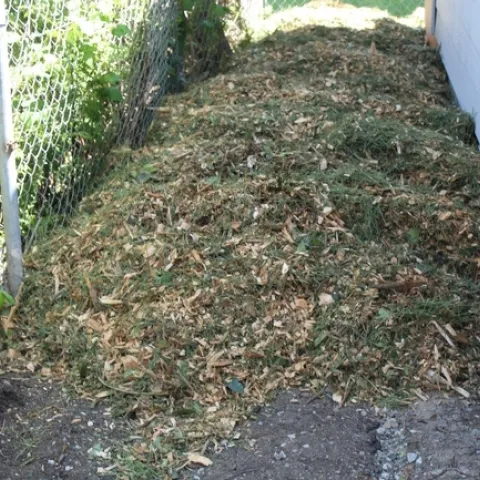
Recently I posted a blog on mulch. The mulch man cometh again. It looks like it might be a little less than 25 the first cubic yards. Generate an Internet search on Free Mulch and you'll find sites in your area. It's a good thing I got more mulch, (oh did I mention it's free?).
View Article