A Natural Solution for California's Herds: African Catfish Peptides

California's cattle producers and agricultural communities are all too familiar with the rising challenge of antibiotic resistance, making common bacterial infections harder to treat in livestock. But imagine a future where we could tackle these infections with a natural, powerful alternative. Our research points to just that: antimicrobial peptides (AMPs) found in African catfish.

We're really excited about these peptides because African catfish thrive in pathogen-rich freshwater, naturally producing these robust immune compounds in their skin mucus as a defense. This natural origin makes them highly appealing alternatives to synthetic drugs.

Predicted Safety and Potent Action

One of the most compelling aspects of these AMPs is their predicted safety for mammals. Our initial computer analyses suggest that various catfish AMPs are generally recognized as safe (GRAS). We predict they'll be absorbed in the human intestine without causing liver, brain, or heart toxicity. Furthermore, lab tests on a promising peptide, NACAP-II, confirmed it was non-hemolytic, meaning it didn't damage rabbit red blood cells—a strong indicator of its potential safety for mammalian cells.

Beyond safety, these peptides demonstrate effectiveness against problematic bacteria. One study revealed NACAP-II's strong activity against Extended-Spectrum Beta-Lactamase (ESBL)-producing Escherichia coli—a critical concern for both animal and human health due to its resistance to many common antibiotics. Another peptide, ACAP-IV, also showed antibacterial activity against E. coli and Staphylococcus aureus. We believe these AMPs work by directly disrupting bacterial cell membranes, a mechanism that makes it harder for bacteria to develop resistance compared to how they resist traditional antibiotics.

Primary Image
Peeling Manzanita bark
Garden Notes: Article

Manzanita—“Little Apple”

October 8, 2025
By Marceline D Sousa
 “I hate manzanita!” is the sentiment of a friend of mine who in the early 90s, while working in the U.S. Forest Service with archeologists, was on the lowly field crew, surveying areas scheduled for logging. They were hunting for historic and prehistoric artifacts, often spending way too many hours…
View Article
Primary Image
Close up of sunflowers
Garden Notes: Article

Horticultural Terms—Tropism

October 8, 2025
By Marceline D Sousa
Tropism (trow-piz-em) n. in botany. An involuntary orientation by an organism or one of its parts that involves turning or curving by movement or by differential growth and is a positive or negative response to a source of stimulation. Out of curiosity, I looked up the word for how sunflowers…
View Article
Garden Notes: Article

Growing Knowledge: Designing, Planting, and Using a Therapeutic Garden

October 8, 2025
By Marceline D Sousa
Designing, Planting, and Using a Therapeutic Garden by Sue Jeffries In the classic 1970 folk song, “Woodstock,” Joni Mitchell opined “…and we’ve got to get ourselves back to the garden.” In fact, data suggest that 60% of us spend less than 30 minutes per day outdoors, 30% of us less than one…
View Article
Garden Notes: Article

What’s the Best Pot for You? It Depends …

October 8, 2025
By Marceline D Sousa
  How easy is it to pick the best container for your plant? Is it just a matter of size of the container—10 inches versus 12 inches?—or color? Below are some factors to consider that will help provide your chosen plant the best chance at a healthy and happy life.  Know Your…
View Article
Garden Notes: Article

Bats in the Garden are Nature’s Night Shift

October 8, 2025
By Marceline D Sousa
When I think of Halloween and the familiar decorations that pop up in neighborhoods, one creature always comes to mind, the bat. From eerie silhouettes hanging in windows to plastic models dangling from porches, bats are synonymous with spookiness. But why? Perhaps it’s their connection to vampire folklore…
View Article
Primary Image
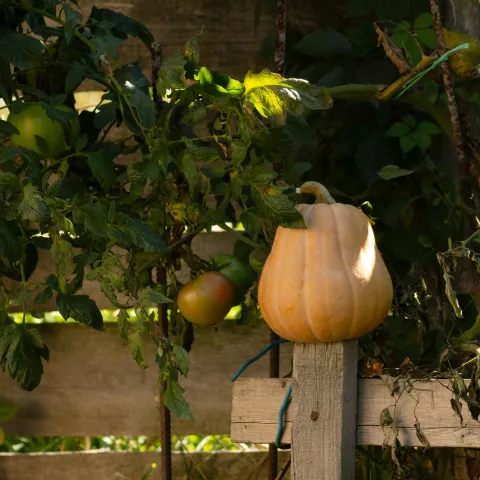
pumpkin sitting on a fence post with vines behind it

Fall Season Miku

October 8, 2025
By Jennifer M Baumbach
Haiku by Mike Gunther Less light and low sun Seasonal change is now here Soon cool wet weather 
View Article
Primary Image
Ripe pluots ready to pick. A new workshop focuses on how to tell when it's best to pick various fruits. Laura Kling
The Real Dirt: Article

Master Gardeners Fall Workshop Series

October 7, 2025
UC Master Gardeners of Butte County are midway through their 2025 fall series of workshops. From now to the middle of December, there are eleven topics to explore, including six all-new ones. There is something here for beginning and experienced gardeners alike, and for every size of home garden.
View Article
Primary Image
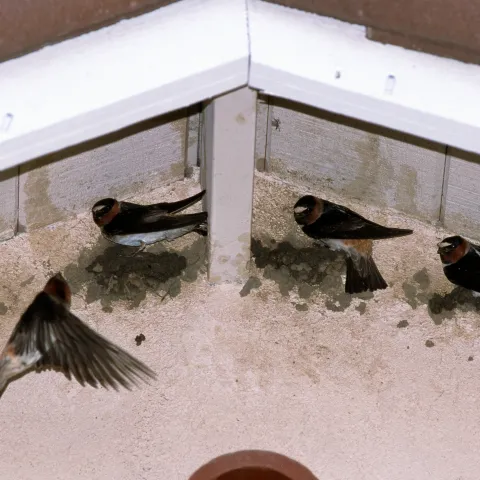
Birds hanging under the eaves of a house, preparing to build mud nests.

Excluding Migratory Birds from Buildings

October 7, 2025
By Karey Windbiel-Rojas
Urban and suburban areas are important habitats for migrating birds, but birds can also quickly become a nuisance or economic issue when they nest on buildings, homes, and other structures. Their activities can result in disruptive noises, lead to potential structural damage, and their droppings can create…
View Article