A Natural Solution for California's Herds: African Catfish Peptides

California's cattle producers and agricultural communities are all too familiar with the rising challenge of antibiotic resistance, making common bacterial infections harder to treat in livestock. But imagine a future where we could tackle these infections with a natural, powerful alternative. Our research points to just that: antimicrobial peptides (AMPs) found in African catfish.

We're really excited about these peptides because African catfish thrive in pathogen-rich freshwater, naturally producing these robust immune compounds in their skin mucus as a defense. This natural origin makes them highly appealing alternatives to synthetic drugs.

Predicted Safety and Potent Action

One of the most compelling aspects of these AMPs is their predicted safety for mammals. Our initial computer analyses suggest that various catfish AMPs are generally recognized as safe (GRAS). We predict they'll be absorbed in the human intestine without causing liver, brain, or heart toxicity. Furthermore, lab tests on a promising peptide, NACAP-II, confirmed it was non-hemolytic, meaning it didn't damage rabbit red blood cells—a strong indicator of its potential safety for mammalian cells.

Beyond safety, these peptides demonstrate effectiveness against problematic bacteria. One study revealed NACAP-II's strong activity against Extended-Spectrum Beta-Lactamase (ESBL)-producing Escherichia coli—a critical concern for both animal and human health due to its resistance to many common antibiotics. Another peptide, ACAP-IV, also showed antibacterial activity against E. coli and Staphylococcus aureus. We believe these AMPs work by directly disrupting bacterial cell membranes, a mechanism that makes it harder for bacteria to develop resistance compared to how they resist traditional antibiotics.
Primary Image
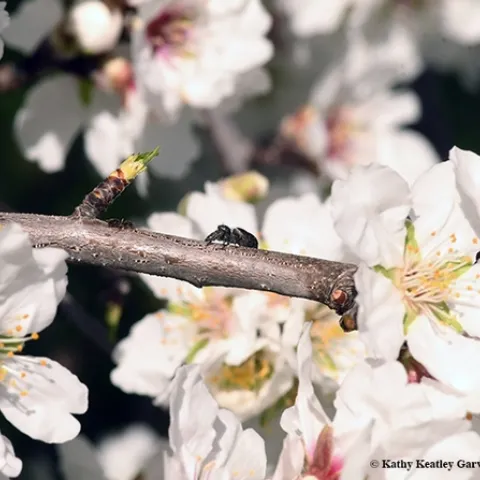
Can you see an ant and a spider in this photo of an almond tree? It's a winter ant, Prenolepis imparis and a jumping spider, Salticidae. (Photo by Kathy Keatley Garvey)
Bug Squad: Article

And Along Came a Spider

March 2, 2018
By Kathy Keatley Garvey
If you've been checking out the honey bees foraging on the almonds lately--in between the rains--you might see other critters as well. Like a winter ant. Or a jumping spider. This winter ant, Prenolepis imparis (as identified by ant specialist Brendon Boudinot, a Ph.D.
View Article
Primary Image
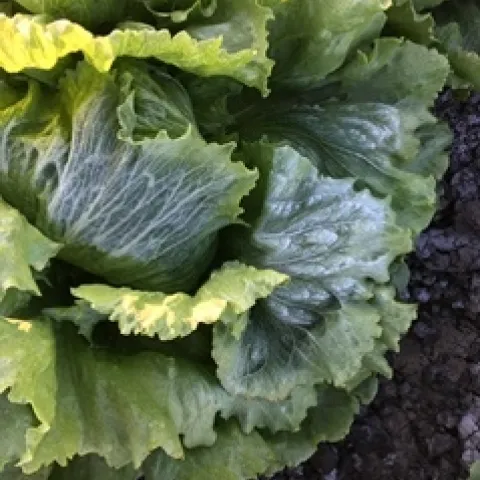
Photo 1. Frost on head lettuce
Salinas Valley Agriculture: Article

Frost Damage on Vegetables

March 2, 2018
By Richard F Smith
Frost damage on vegetables can often occur during cold, clear nights in late winter and spring in the Salinas Valley (Photo 1). Early plantings of lettuce, cauliflower, broccoli, spinach and peas can be affected with lettuce and celery being the most frost sensitive.
View Article
Project Board News: Article

Summary of PB user testing

March 2, 2018
By Kit Alviz
User testing for Project Board between September 2017 and February 2018 included a private session with the Project Board Academic Advisory Committee, three open sessions inviting all academics with ANR merit and promotion processes and CE Specialists with campus merit and promotion processes, and a...
View Article
Primary Image
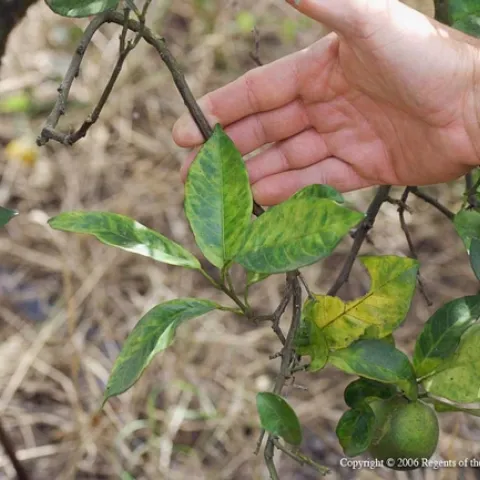
Mottling and yellowing of leaves is a symptom of huanglongbing disease in a citrus tree. HLB is incurable and the tree will eventually die.
ANR News Blog: Article

Pesticide spray ban could assist spread of huanglongbing disease

March 2, 2018
By Jeannette Warnert
A Sacramento County Superior Court judge has ordered California agricultural officials to stop spraying pesticides in parks, schools and residents' backyards to control pests that threaten the ag industry, reported Gregory Mohan in the Los Angeles Times.
View Article
Primary Image
IMG 5693a
UC CalFresh Fresno/Madera Counties: Article

Lowe’s Donates Money For Madison Mavericks

March 2, 2018
Madison Elementary School from Madera Unified School School District has received a $5,000 Lowe's Toolbox for Education grant for a school garden project.
View Article
UC Weed Science (weed control, management, ecology, and minutia): Article

Weed Automation

March 2, 2018
By Steven A Fennimore
Dear California Weeders I just received this from Mark Siemens U of Arizona. Robovator the automated weeder has been recognized by ASABE. This technology has room to run and many fewer constraints than do herbicides.
View Article
Primary Image
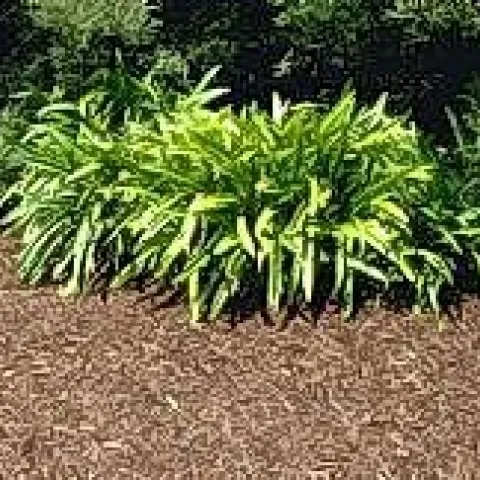
Organic mulch

Much Ado About Mulch

March 2, 2018
By David Walther, UC Master Gardener of Butte County, March 2, 2018. Early spring is the perfect time to apply mulch to your garden. Mulch is any material that covers the ground and insulates it from sun, evaporation, and erosion.
View Article