A Natural Solution for California's Herds: African Catfish Peptides

California's cattle producers and agricultural communities are all too familiar with the rising challenge of antibiotic resistance, making common bacterial infections harder to treat in livestock. But imagine a future where we could tackle these infections with a natural, powerful alternative. Our research points to just that: antimicrobial peptides (AMPs) found in African catfish.

We're really excited about these peptides because African catfish thrive in pathogen-rich freshwater, naturally producing these robust immune compounds in their skin mucus as a defense. This natural origin makes them highly appealing alternatives to synthetic drugs.

Predicted Safety and Potent Action

One of the most compelling aspects of these AMPs is their predicted safety for mammals. Our initial computer analyses suggest that various catfish AMPs are generally recognized as safe (GRAS). We predict they'll be absorbed in the human intestine without causing liver, brain, or heart toxicity. Furthermore, lab tests on a promising peptide, NACAP-II, confirmed it was non-hemolytic, meaning it didn't damage rabbit red blood cells—a strong indicator of its potential safety for mammalian cells.

Beyond safety, these peptides demonstrate effectiveness against problematic bacteria. One study revealed NACAP-II's strong activity against Extended-Spectrum Beta-Lactamase (ESBL)-producing Escherichia coli—a critical concern for both animal and human health due to its resistance to many common antibiotics. Another peptide, ACAP-IV, also showed antibacterial activity against E. coli and Staphylococcus aureus. We believe these AMPs work by directly disrupting bacterial cell membranes, a mechanism that makes it harder for bacteria to develop resistance compared to how they resist traditional antibiotics.


Primary Image
UC Davis Professor Jay Rosenheim teaching a class in the Lab Sciences Building. (Photo by Kathy Keatley Garvey)
Entomology & Nematology News: Article

UC Davis Professor Jay Rosenheim Explains Why War on Cancer Is Winnable

March 2, 2018
By Kathy Keatley Garvey
DAVISUC Davis Professor Jay Rosenheim researches, lectures, and publishes his work on predator-prey interactions, but he's now targeting another kind of predator: an insidious foe that can be as stealthy and powerful as it is terrifying. A six-letter word: Cancer.
View Article
Campus Voices for Food + Climate Sustainability: Article

Reexamining the Definition of Sustainability

March 2, 2018
When I hear the word environmentalism, I think of the mainstream (white, male-dominated) narrative that is associated with visiting National Parks and the great outdoors, and signing the World Wildlife Fund's petitions to save rare species on the planet.
View Article
Noticias: Article

Elaborando un presupuesto

March 2, 2018
Sabe usted exactamente en qu gasta todo su dinero cada mes? Sabe usted cunto dinero le sobra para gastar este mes? Est usted ahorrando cada mes para establecer un fondo de emergencia? Si respondi NO a cualquiera de estas preguntas podra ser la hora de organizar sus finanzas.
View Article
Primary Image
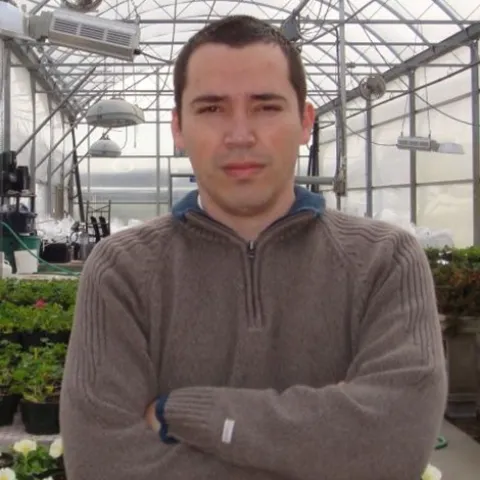
Gabriel Torres
ANR Employee News: Article

Names in the News

March 1, 2018
By Pamela S Kan-Rice
Torres named grape advisor for Tulare and Kings counties Gabriel Torres joined UCCE on Feb. 1, 2018, as an area viticulture advisor in Tulare and Kings counties.
View Article
Tehama County: Article

September 2017 PRUNE Newsletter - Vol #10

March 1, 2018
Fall prune orchard management considerations following a heavy crop Aphid Management Review UPCOMING MEETINGS Upcoming IPM Breakfast MeetingsOct 10 & Nov 14 Advances in Prune Production-September 26th...
View Article
Tehama County: Article

Oct 2017 ALMOND Newsletter - Vol#11

March 1, 2018
Bacterial Spot: A Dangerous Disease Gophers Kill Trees! Update on Yellow Monterey Almond Trees Almond Orchard Management Checklist: Post-Harvest and Dormancy New Pesticide Labels Available to Help Control Pruning Wound Infections Upcoming Meetings & Courses Almond Meetings Schedule Feb 18thMar 1st,...
View Article
Tehama County: Article

February 2018, Volume 2

March 1, 2018
Dry, Warm Winter Raises Questions about Irrigation Thinning Prunes Prune Bloom Orchard Management Considerations Evaluating New Rootstocks: Whats the Latest?
View Article