A Natural Solution for California's Herds: African Catfish Peptides

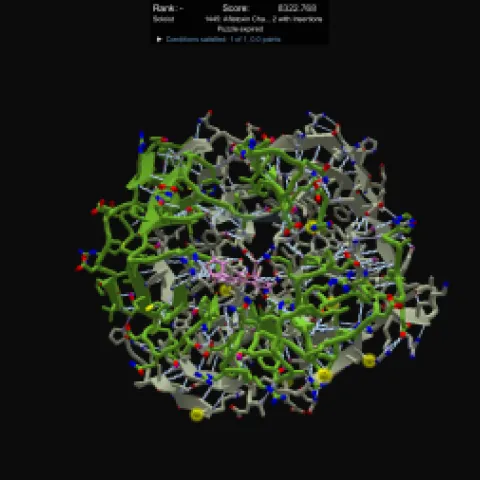
California's cattle producers and agricultural communities are all too familiar with the rising challenge of antibiotic resistance, making common bacterial infections harder to treat in livestock. But imagine a future where we could tackle these infections with a natural, powerful alternative. Our research points to just that: antimicrobial peptides (AMPs) found in African catfish.

We're really excited about these peptides because African catfish thrive in pathogen-rich freshwater, naturally producing these robust immune compounds in their skin mucus as a defense. This natural origin makes them highly appealing alternatives to synthetic drugs.

Predicted Safety and Potent Action

One of the most compelling aspects of these AMPs is their predicted safety for mammals. Our initial computer analyses suggest that various catfish AMPs are generally recognized as safe (GRAS). We predict they'll be absorbed in the human intestine without causing liver, brain, or heart toxicity. Furthermore, lab tests on a promising peptide, NACAP-II, confirmed it was non-hemolytic, meaning it didn't damage rabbit red blood cells—a strong indicator of its potential safety for mammalian cells.

Beyond safety, these peptides demonstrate effectiveness against problematic bacteria. One study revealed NACAP-II's strong activity against Extended-Spectrum Beta-Lactamase (ESBL)-producing Escherichia coli—a critical concern for both animal and human health due to its resistance to many common antibiotics. Another peptide, ACAP-IV, also showed antibacterial activity against E. coli and Staphylococcus aureus. We believe these AMPs work by directly disrupting bacterial cell membranes, a mechanism that makes it harder for bacteria to develop resistance compared to how they resist traditional antibiotics.

ANR Adventures: Article

Do reality shows really depict everyday life?

January 10, 2018
By Wendy Powers
The Amazing Race, then Survivor, followed by Big Brother I'm not really much into television but that's my preference for the various series, in order from left to right. I think the new seasons have started.
View Article
Primary Image
JoAnn Logo square
San Joaquin County 4-H: Article

Save money and support 4-H whenever you shop at JoAnn's Fabrics!

January 10, 2018
JOANN is supporting 4-H with a rewards "card" that gives holders 15% off their total in-store and online purchases! A minimum of 2.5% of every eligible transaction is donated to 4-H. Two ways to sign up: Sign up online at http://www.joann.com/4-H/ Download the free JOANN app on your mobile device.
View Article
Napa Master Gardener Column: Article

More Reasons to Go Native

January 10, 2018
By Daniel McLoughlin, U. C. Master Gardener of Napa County Most Napa Valley gardeners have long embraced the idea that planting native species is the way to go. These locally evolved species tend to be more acclimated to our long, dry summers and less thirsty as a result.
View Article
Cooperative Extension San Joaquin County: Article

66th Annual Lodi Grape Day

January 10, 2018
66th Annual Lodi Grape Day Co-sponsored with Lodi Chamber of Commerce Tuesday, February 6, 2018 Hutchins Street Square Kirst and Crete Halls 125 South Hutchins Street, Lodi CA 95240...
View Article
Cooperative Extension San Joaquin County: Article

Northern San Joaquin Valley Processing Tomato Meeting

January 10, 2018
now in a pdf format UCCE Northern San Joaquin Valley Processing Tomato Meeting University of California Cooperative Extension Farm Advisors San Joaquin, Stanislaus and Merced Counties in conjunction with The California Tomato Growers Association 71st Annual Meeting & Exhibit Wednesday, January 23, 2...
View Article
Primary Image
avocado collapse 1
Topics in Subtropics: Article

Laurel Wilt Disease of Florida Avocado?

January 10, 2018
By Ben A Faber
The Latest on Florida's LW Disease Jonathan H. Crane, Tropical Fruit Crop Specialist1, Daniel Carrillo, Entomologist Tropical Fruits1, Edward A. Evans, Agricultural Economist1, Randy C.
View Article
UC Master Gardeners of Placer County: Article

Winter 2018 Curious Gardener Newsletter

January 10, 2018
Happy New Year to all of you! Enjoy this winter issue of the Curious Gardener and don't forget to take advantage of FREE research-based gardening advice at our Master Gardener HOTLINES in Placer (530-889-7388) and Nevada (530-273-0919) Counties.
View Article
Primary Image
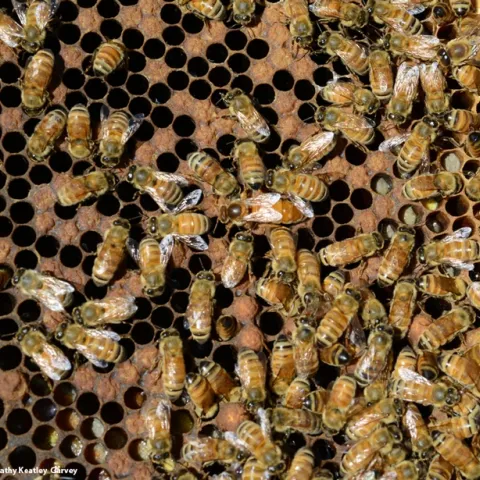
Foraging honey bees return to the hive to share nectar, which the house bees will turn into honey. (Photo by Kathy Keatley Garvey)
Bug Squad: Article

Take It From a Bee Guy: Honey Is Not 'Bee Vomit'

January 10, 2018
By Kathy Keatley Garvey
Take it from the bee scientists. Honey is NOT vomit. That incongruous belief that Honey is bee vomit is resurfacing on a number of YouTube channels, opinion pieces and other Internet posts.
View Article