A Natural Solution for California's Herds: African Catfish Peptides

California's cattle producers and agricultural communities are all too familiar with the rising challenge of antibiotic resistance, making common bacterial infections harder to treat in livestock. But imagine a future where we could tackle these infections with a natural, powerful alternative. Our research points to just that: antimicrobial peptides (AMPs) found in African catfish.

We're really excited about these peptides because African catfish thrive in pathogen-rich freshwater, naturally producing these robust immune compounds in their skin mucus as a defense. This natural origin makes them highly appealing alternatives to synthetic drugs.

Predicted Safety and Potent Action

One of the most compelling aspects of these AMPs is their predicted safety for mammals. Our initial computer analyses suggest that various catfish AMPs are generally recognized as safe (GRAS). We predict they'll be absorbed in the human intestine without causing liver, brain, or heart toxicity. Furthermore, lab tests on a promising peptide, NACAP-II, confirmed it was non-hemolytic, meaning it didn't damage rabbit red blood cells—a strong indicator of its potential safety for mammalian cells.

Beyond safety, these peptides demonstrate effectiveness against problematic bacteria. One study revealed NACAP-II's strong activity against Extended-Spectrum Beta-Lactamase (ESBL)-producing Escherichia coli—a critical concern for both animal and human health due to its resistance to many common antibiotics. Another peptide, ACAP-IV, also showed antibacterial activity against E. coli and Staphylococcus aureus. We believe these AMPs work by directly disrupting bacterial cell membranes, a mechanism that makes it harder for bacteria to develop resistance compared to how they resist traditional antibiotics.
Primary Image
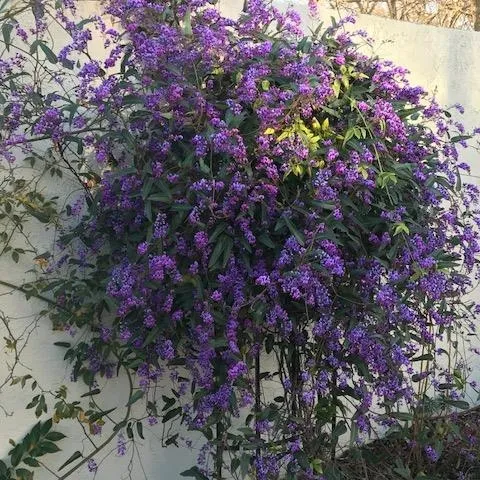
Hardenbergia-photo by Kathleen Gunther
Under the Solano Sun: Article

February Miku

February 22, 2018
Bursts of Blooms Appear Early Signs of Spring Draw Near Drops of Rain Needed...
View Article
Primary Image
Thompson-Rivers-University-shared-via-Flickr-Creative-Commons3-768x466
Blog - Forest Research and Outreach : Article

Mysterious mistletoe

February 22, 2018
By Lenya N Quinn-Davidson
To see dwarf mistletoe seeds is to experience them. These are not typical seeds that gently drop from a mature plant. Rather, they are explosive forcibly ejected from their fruits at high rates of speed.
View Article
Primary Image
citrus dieback 2
Topics in Subtropics: Article

What Damaged the Citrus this Winter? Frost? Herbicide?

February 22, 2018
By Ben A Faber
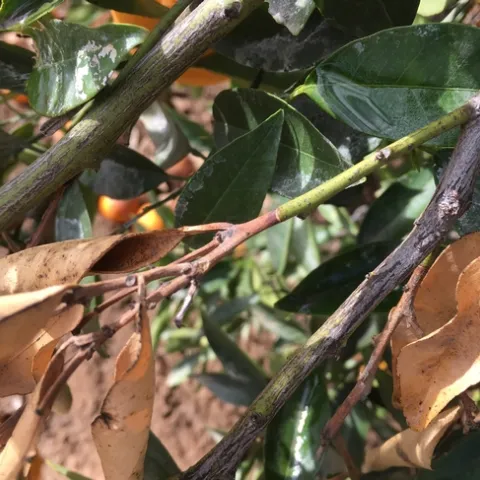
Something hit the citrus trees of Riverside in late December 2017. Some vandal spraying herbicide? It was too widespread. It was all over town, orchards and backyards. It was on the north and east sides of trees. It didn't happen in Ventura or Santa Barbara.
View Article
Blog - Forest Research and Outreach : Article

UCCE to be a leader in climate change awareness and education

February 21, 2018
By Susan D Kocher
Reposted from UC Agriculture and Natural Resources news Although individual extreme weather events cannot yet be reliably linked to global climate change, the warming planet may be contributing to recent weather disasters in California.
View Article
Primary Image
RCFlier 2018
Livestock & Range: Article

Range Camp: Applications Due 4/27/2018

February 21, 2018
By Devii R Rao
What is Range Camp: Range Camp is a week-long summer camp that provides high school students an opportunity to learn about rangeland ecology and management, and livestock management.
View Article
Primary Image
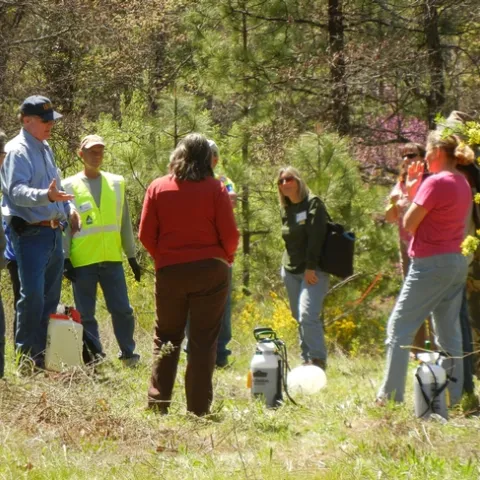
UCCE rangeland advisor meets with ranchers in the field to discuss rangeland management decisions.
Green Blog: Article

UCCE to be a leader in climate change awareness and education

February 21, 2018
By Jeannette Warnert
Although individual extreme weather events cannot yet be reliably linked to global climate change, the warming planet may be contributing to recent weather disasters in California. Across the state, 129 million trees died as a result of the drought of 2011-2016, many of them in the Sierra Nevada.
View Article