A Natural Solution for California's Herds: African Catfish Peptides

California's cattle producers and agricultural communities are all too familiar with the rising challenge of antibiotic resistance, making common bacterial infections harder to treat in livestock. But imagine a future where we could tackle these infections with a natural, powerful alternative. Our research points to just that: antimicrobial peptides (AMPs) found in African catfish.

We're really excited about these peptides because African catfish thrive in pathogen-rich freshwater, naturally producing these robust immune compounds in their skin mucus as a defense. This natural origin makes them highly appealing alternatives to synthetic drugs.

Predicted Safety and Potent Action

One of the most compelling aspects of these AMPs is their predicted safety for mammals. Our initial computer analyses suggest that various catfish AMPs are generally recognized as safe (GRAS). We predict they'll be absorbed in the human intestine without causing liver, brain, or heart toxicity. Furthermore, lab tests on a promising peptide, NACAP-II, confirmed it was non-hemolytic, meaning it didn't damage rabbit red blood cells—a strong indicator of its potential safety for mammalian cells.

Beyond safety, these peptides demonstrate effectiveness against problematic bacteria. One study revealed NACAP-II's strong activity against Extended-Spectrum Beta-Lactamase (ESBL)-producing Escherichia coli—a critical concern for both animal and human health due to its resistance to many common antibiotics. Another peptide, ACAP-IV, also showed antibacterial activity against E. coli and Staphylococcus aureus. We believe these AMPs work by directly disrupting bacterial cell membranes, a mechanism that makes it harder for bacteria to develop resistance compared to how they resist traditional antibiotics.
UC Weed Science (weed control, management, ecology, and minutia): Article

Glyphosate formulations - what's the diff (and what's a salt)?

December 20, 2017
By Brad Hanson
Glyphosate is one of the most widely used herbicides in the world and is extremely important in many of our orchard, vineyard, and annual crops as well as in non-crop and home situations.
View Article

There's a 'Me' in Mead

December 19, 2017
By Kathy Keatley Garvey
There's a "me" in mead. Mead or honey wine is the "in" thing, and the UC Davis Honey and Pollination Center, directed by Amina Harris, has announced plans for three mead classes for January-February and a feast on Feb. 9 that celebrates mead and honey.
View Article

How to Have a Bugworthy Holiday and Beyond

December 19, 2017
By Kathy Keatley Garvey
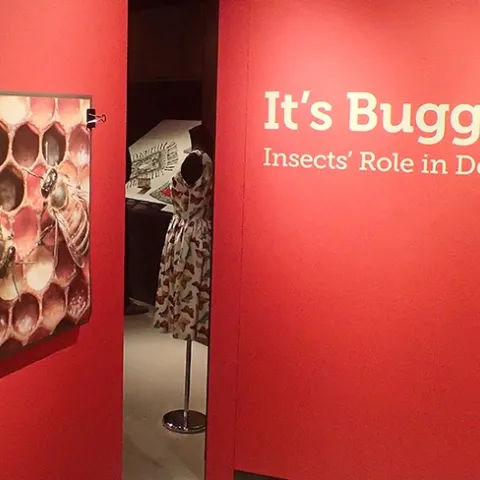
So you're looking for a suitable bugworthy holiday gift. You're in luck. UC Davis has you covered. Want to buy the Honey Flavor and Aroma Wheel? Check. Want to buy honey (wildflower, orange blossom, coriander)? Check. Want insect/floral photography notecards? Check.
View Article
Primary Image
Figure 1. Yield at 13 percent moisture of UCCE Delta sorghum seeding rate trial. There were no significant differences among treatments in 2016 (P = 0.1278) or 2017 (P = 0.2419).
SJC and Delta Field Crops: Article

Sorghum Seeding Rate Trial Final Report

December 18, 2017
By Michelle M Leinfelder-Miles
In recent years, the University of California Division of Agriculture and Natural Resources has augmented research efforts on growing grain and silage sorghum [Sorghum bicolor (L.) Moench] in California.
View Article
Primary Image
avocado suckers
Topics in Subtropics: Article

Afer the Fire, Replant or Field Graft?

December 18, 2017
By Ben A Faber
This is from past experience, and is still relevant. Availability of replant trees is a major issue to consider at this point. The wildfires in San Diego and Ventura Counties during the fall of 2003 were certainly devastating to many avocado groves adjacent to burning native chaparral.
View Article
Bug Squad: Article

I'm Just a Little Ol' Honey Bee Foraging on Lavender

December 14, 2017
By Kathy Keatley Garvey
I'm just a little ol' honey bee foraging on lavender. I left my warm colony in Vacaville, Calif. to see if there's any nectar out there. My sisters are hungry. I'm not sure if we have enough honey to tide us over until spring.
View Article