A Natural Solution for California's Herds: African Catfish Peptides

California's cattle producers and agricultural communities are all too familiar with the rising challenge of antibiotic resistance, making common bacterial infections harder to treat in livestock. But imagine a future where we could tackle these infections with a natural, powerful alternative. Our research points to just that: antimicrobial peptides (AMPs) found in African catfish.

We're really excited about these peptides because African catfish thrive in pathogen-rich freshwater, naturally producing these robust immune compounds in their skin mucus as a defense. This natural origin makes them highly appealing alternatives to synthetic drugs.

Predicted Safety and Potent Action

One of the most compelling aspects of these AMPs is their predicted safety for mammals. Our initial computer analyses suggest that various catfish AMPs are generally recognized as safe (GRAS). We predict they'll be absorbed in the human intestine without causing liver, brain, or heart toxicity. Furthermore, lab tests on a promising peptide, NACAP-II, confirmed it was non-hemolytic, meaning it didn't damage rabbit red blood cells—a strong indicator of its potential safety for mammalian cells.

Beyond safety, these peptides demonstrate effectiveness against problematic bacteria. One study revealed NACAP-II's strong activity against Extended-Spectrum Beta-Lactamase (ESBL)-producing Escherichia coli—a critical concern for both animal and human health due to its resistance to many common antibiotics. Another peptide, ACAP-IV, also showed antibacterial activity against E. coli and Staphylococcus aureus. We believe these AMPs work by directly disrupting bacterial cell membranes, a mechanism that makes it harder for bacteria to develop resistance compared to how they resist traditional antibiotics.
Cooperative Extension Ventura County: Page

24th Annual Strawberry Production Meeting 2025

Ventura County AG Commissioner’s Update on Issues Pertinent to Strawberry Industry - Korinne Bell Ventura County Farm Bureau Update on Issues Pertinent to Strawberry Industry - Jodi SwitzerCultivar Development and Breeding for Resistance to Soil-Borne Pathogens -Mitchell J. Feldmann,…
View Page
Primary Image
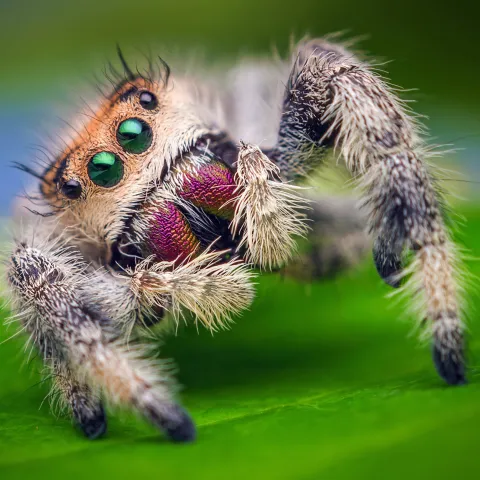
jumping spider
UC Marin Master Gardeners: Article

Spiders are good for garden pest control

September 23, 2025
 Spiders get a bad rap. Many people go to great lengths to avoid or get rid of them. Is it their other-worldly appearance? A concern about being bitten by a poisonous type or simply the idea of “creepy, crawling” things? Whatever the reason, before eliminating them, it’s good to know who…
View Article
UCCE Humboldt - Del Norte Counties: Page

Contact Us

How to Reach UsHumboldt County Office 5630 South Broadway Eureka, CA 95503 Phone: (707) 445-7351 Fax Number: (707) 444-9334 Del Norte County Office 586 G Street Crescent City, CA 95531 Phone: (707) 464-4711 Fax Number: (707) 464-7520  Meet Our Team  Del Norte OfficeName Title Email Grace Belt…
View Page
Primary Image
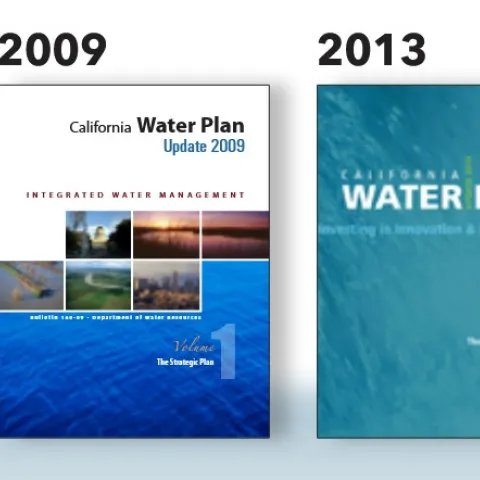
History of Water Plan
Water Resilience, Climate Change, and Water Systems in California: Article

Advancing California’s Water Future: Implementation Pathways & Local Case Studies Under the California Water Plan 2023

September 23, 2025
By Esther N Lofton, Laura E Garza Diaz, Laljeet S Sangha
 California’s water systems are at a pivotal moment. The pressures of climate change, population growth, aging infrastructure, and persistent inequities in water access are converging to create unprecedented challenges. At the same time, the state is moving forward with an ambitious, integrated vision…
View Article
Article

Policy revisions for employee comment

September 23, 2025
By Jenna Kwan
Academic Personnel Manual (APM) Section 036, General University Policy Regarding Academic Appointees/EmploymentThe University invites comments on proposed revisions to Section 036 of the Academic Personnel Manual:APM - 036, EmploymentThe revisions are intended to address the following two important issues:…
View Article