A Natural Solution for California's Herds: African Catfish Peptides

California's cattle producers and agricultural communities are all too familiar with the rising challenge of antibiotic resistance, making common bacterial infections harder to treat in livestock. But imagine a future where we could tackle these infections with a natural, powerful alternative. Our research points to just that: antimicrobial peptides (AMPs) found in African catfish.

We're really excited about these peptides because African catfish thrive in pathogen-rich freshwater, naturally producing these robust immune compounds in their skin mucus as a defense. This natural origin makes them highly appealing alternatives to synthetic drugs.

Predicted Safety and Potent Action

One of the most compelling aspects of these AMPs is their predicted safety for mammals. Our initial computer analyses suggest that various catfish AMPs are generally recognized as safe (GRAS). We predict they'll be absorbed in the human intestine without causing liver, brain, or heart toxicity. Furthermore, lab tests on a promising peptide, NACAP-II, confirmed it was non-hemolytic, meaning it didn't damage rabbit red blood cells—a strong indicator of its potential safety for mammalian cells.

Beyond safety, these peptides demonstrate effectiveness against problematic bacteria. One study revealed NACAP-II's strong activity against Extended-Spectrum Beta-Lactamase (ESBL)-producing Escherichia coli—a critical concern for both animal and human health due to its resistance to many common antibiotics. Another peptide, ACAP-IV, also showed antibacterial activity against E. coli and Staphylococcus aureus. We believe these AMPs work by directly disrupting bacterial cell membranes, a mechanism that makes it harder for bacteria to develop resistance compared to how they resist traditional antibiotics.
Primary Image
vase of brightly colored flowers
Under the Solano Sun: Article

Peony or Paoeny

July 1, 2025
By Jennifer M Baumbach
Blog by Heather HamiltonFrom a florist's point of view…….This is the most stunning, fluffy flower that most brides want for their bridal bouquet. Regardless of the time of year that I meet with these ladies, they inevitably will bring up a picture, and without any knowledge, say, “Can I have these in my…
View Article
Page

WSREC - Staff Directory

Center Director  Atef SwelamDirector Kearney and Westside Research and Extension CentersPhone: 559-646-6060Email: aiswelam@ucanr.edu   Academic and Cooperative Extension Staff   Administrative Staff   Karen M MotleyBusiness OfficerPhone: 559-884-2411…
View Page
Event

Latest Event Test

Event Date
Sep 13, 2025

What is Lorem Ipsum?Lorem Ipsum is simply dummy text of the printing and typesetting industry. Lorem Ipsum has been the industry's standard dummy text ever since the 1500s, when an unknown printer took a galley of type and scrambled it to make a type specimen book. It has survived not only five centuries,…
View Event
Primary Image
Red tomatoes
Fresno Gardening Green: Article

Feeding tomatoes during the hot valley summer

July 1, 2025
By Jeannette Warnert
Fertilizing plants in July and August is always a tricky experiment here in the Central Valley. During the hottest months of the summer growing season root and foliage growth slows as temperatures rise. Flower bud production also slows and eventually stops. Flowers on plants especially cucumbers,…
View Article
Primary Image
Pink roses
Fresno Gardening Green: Article

Rosie's corner: Watch for plant stress as summer heats up

July 1, 2025
By Jeannette Warnert
Well, we had a mostly delightful June, but the long-range forecasts indicate that we will be getting our typical July weather after the first part of the month. Check your watering system to make sure your roses are getting adequate water. You may need to increase the time that you are watering or run an…
View Article
Primary Image
Lippia_White Kurapia_Blooming_Banner-HVDB
UC Master Gardener Program of Contra Costa County: Article

Smart Watering, Beautiful Gardens: Lessons from UC Davis

July 1, 2025
By Hedwig L Van Den Broeck
Imagine walking through a vibrant, blooming garden in the heat of summer—where every plant is thriving, even though it’s been weeks since the last rainfall. Is this vision wishful thinking? Maybe not! Thanks to 20+ years of research by the University of California’s Landscape Plant Irrigation Trials (UCLPIT)…
View Article
UC Master Food Preservers of San Bernardino and Riverside Counties: Event

On-Line Ask a Master Food Preserver - August 2025

Event Date
Aug 13, 2025

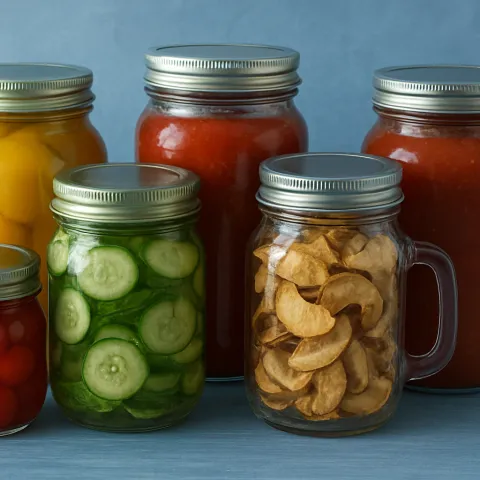
Join the UCCE Master Food Preservers for a general Q&A session. A panel of volunteers will be available to answer your questions, share their tips and encourage you to safely preserve food at home.August is hosted by San Bernardino/Riverside County.  Volunteers will lead a brief…
UC Master Food Preservers of San Bernardino and Riverside Counties
View Event