A Natural Solution for California's Herds: African Catfish Peptides

California's cattle producers and agricultural communities are all too familiar with the rising challenge of antibiotic resistance, making common bacterial infections harder to treat in livestock. But imagine a future where we could tackle these infections with a natural, powerful alternative. Our research points to just that: antimicrobial peptides (AMPs) found in African catfish.

We're really excited about these peptides because African catfish thrive in pathogen-rich freshwater, naturally producing these robust immune compounds in their skin mucus as a defense. This natural origin makes them highly appealing alternatives to synthetic drugs.

Predicted Safety and Potent Action

One of the most compelling aspects of these AMPs is their predicted safety for mammals. Our initial computer analyses suggest that various catfish AMPs are generally recognized as safe (GRAS). We predict they'll be absorbed in the human intestine without causing liver, brain, or heart toxicity. Furthermore, lab tests on a promising peptide, NACAP-II, confirmed it was non-hemolytic, meaning it didn't damage rabbit red blood cells—a strong indicator of its potential safety for mammalian cells.

Beyond safety, these peptides demonstrate effectiveness against problematic bacteria. One study revealed NACAP-II's strong activity against Extended-Spectrum Beta-Lactamase (ESBL)-producing Escherichia coli—a critical concern for both animal and human health due to its resistance to many common antibiotics. Another peptide, ACAP-IV, also showed antibacterial activity against E. coli and Staphylococcus aureus. We believe these AMPs work by directly disrupting bacterial cell membranes, a mechanism that makes it harder for bacteria to develop resistance compared to how they resist traditional antibiotics.
Vegetable Crops: Page

UC IPM Pest Management Guidelines

Information about managing pests, including University of California's official guidelines for monitoring pests and using pesticides and nonpesticide alternatives for managing insect, mite, nematode, weed, and disease pests.
View Page
Vegetable Crops: Page

Cost Studies

2023 Tomato Cost Study: 2023_Processing_Tomato_Cost_Study 2017 Tomato Cost Study: Processing Tomato - Drip Irrigation 2014 Tomato Cost Studies: Processing Tomato - Drip Irrigation Processing Tomato - Furrow Irrigated For Cost Studies of various California crops, please visit the UC Davis Cost Study...
View Page
Vegetable Crops: Page

Broomrape Resources

Broomrape is a parasitic weed that poses a significant threat to California tomato production. As an industry we dont want this weed to spread throughout the state.
View Page
Primary Image
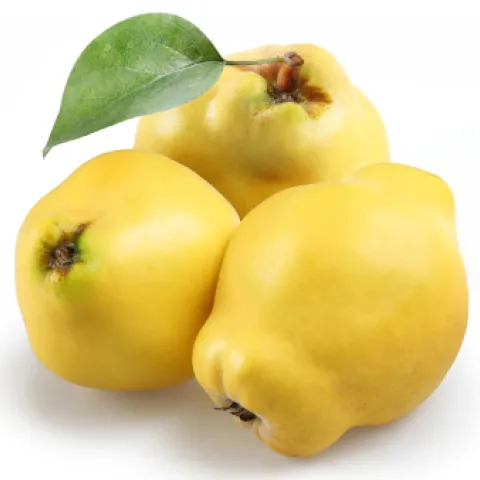
Three yellow quince fruits
UC Master Gardeners of Santa Clara County: Page

Quince

Quince fruits grow on a small tree or shrub (8 to 12 feet tall) with twisted, bumpy branches. Grown as a flowering ornamental or for fruit processing. Adapted to many climates. Adapted to many climates. Tolerates “wet feet” better than most other deciduous fruit trees.
View Page
Primary Image
Beet seedlings Karen Schaffer
UC Master Gardeners of Santa Clara County: Page

Growing Transplants from Seed

Starting seeds in pots can give your vegetables, herbs, and flowers a head start before being transplanted into the garden. This makes it possible to enjoy earlier harvests and earlier blooms. Sturdy transplants can better withstand pests, diseases, and difficult weather.
View Page
Primary Image
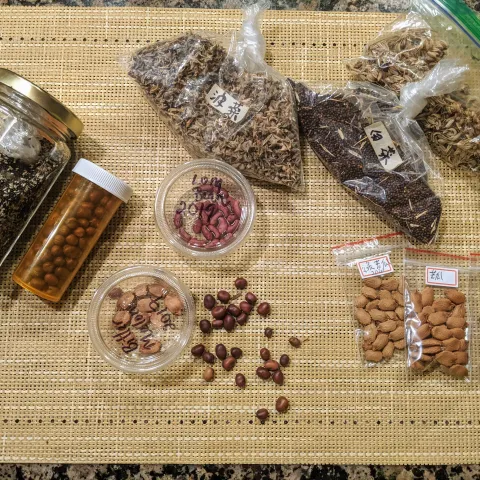
Seeds in clear packets
UC Master Gardeners of Santa Clara County: Page

Seed Saving Basics

Saving seeds is an easy and economical way to continue growing favorite varieties. This page offers tips for successfully saving seeds, including how to collect, prepare, and store them.
View Page
Primary Image
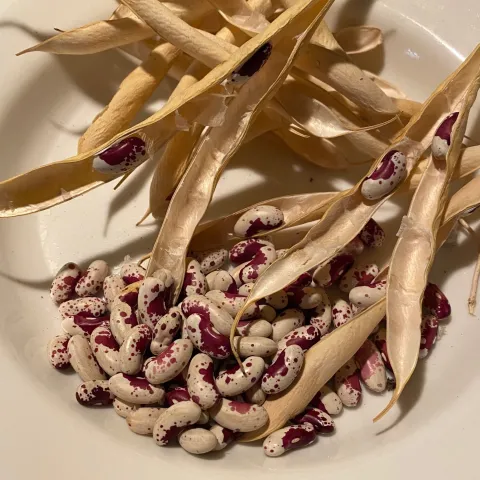
Bean seeds by Hillie Salo
UC Master Gardeners of Santa Clara County: Page

Saving Seeds of Popular Plants

Seed Saving basics for beans and peas, cucumbers, eggplant, lettuce, okra, peppers/chiles, squash and pumpkins, tomatoes, biennial vegetables, and flowers and herbs.
View Page