A Natural Solution for California's Herds: African Catfish Peptides

California's cattle producers and agricultural communities are all too familiar with the rising challenge of antibiotic resistance, making common bacterial infections harder to treat in livestock. But imagine a future where we could tackle these infections with a natural, powerful alternative. Our research points to just that: antimicrobial peptides (AMPs) found in African catfish.

We're really excited about these peptides because African catfish thrive in pathogen-rich freshwater, naturally producing these robust immune compounds in their skin mucus as a defense. This natural origin makes them highly appealing alternatives to synthetic drugs.

Predicted Safety and Potent Action

One of the most compelling aspects of these AMPs is their predicted safety for mammals. Our initial computer analyses suggest that various catfish AMPs are generally recognized as safe (GRAS). We predict they'll be absorbed in the human intestine without causing liver, brain, or heart toxicity. Furthermore, lab tests on a promising peptide, NACAP-II, confirmed it was non-hemolytic, meaning it didn't damage rabbit red blood cells—a strong indicator of its potential safety for mammalian cells.

Beyond safety, these peptides demonstrate effectiveness against problematic bacteria. One study revealed NACAP-II's strong activity against Extended-Spectrum Beta-Lactamase (ESBL)-producing Escherichia coli—a critical concern for both animal and human health due to its resistance to many common antibiotics. Another peptide, ACAP-IV, also showed antibacterial activity against E. coli and Staphylococcus aureus. We believe these AMPs work by directly disrupting bacterial cell membranes, a mechanism that makes it harder for bacteria to develop resistance compared to how they resist traditional antibiotics.
UC Master Gardeners of Santa Clara County: Page

Vegetables Tips

Garden Help > Monthly TipsHere is a collection of our monthly tips about vegetables.To-DosPests and DiseasesWhat to PlantTo-Dos: VegetablesBolting Lettuces Broccoli - Multiple Harvests Change to Cool Season Planting Consider Dehydrating Some Of Your Harvest Cool Season Vegetables Direct Seeding Drought…
View Page
Primary Image
herb cluster Karen Schaffer
UC Master Gardeners of Santa Clara County: Page

Herbs

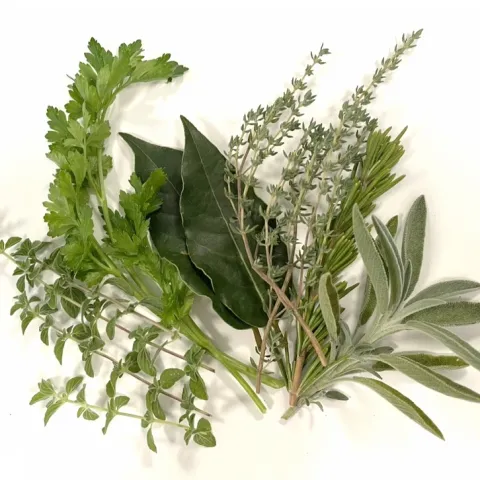
Santa Clara County provides a year-round climate that is well-suited to growing a variety of culinary and aromatic herbs. Herbs are a great choice for beginner gardeners as they tend to be easy to grow and care for. They are a wonderful addition as borders to your vegetable garden or can be easily grown in…
View Page
Primary Image
Bay laurel UCANR Cheryl Reynolds
UC Master Gardeners of Santa Clara County: Page

Bay Laurel

Bay laurel, Laurus nobilis, is an evergreen grown as a large shrub or tree. Small bay trees do well in containers because of their slow growth, but can reach heights of 20 to 40 feet in landscapes. The aromatic leaves add flavor to sauces, soups, stews, meats, fish, and pickles. The flavor is stronger fresh,…
View Page
Primary Image
Herb-German-Chamomile-MG-Monique-Frappier
UC Master Gardeners of Santa Clara County: Page

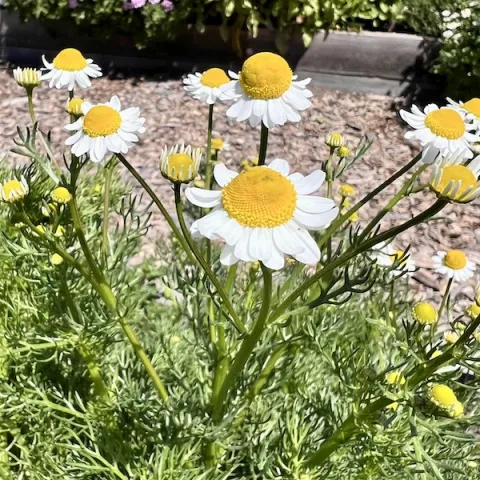
Chamomile

German chamomile, Matricaria chamomilla, is the most commonly grown variety for chamomile blossoms. The plant produces fragrant flowers all summer long. The small, white daisy-like flowers have a pleasant pineapple flavor. They also attract beneficial insects and are self-seeding. The dried flowers are…
View Page
Primary Image
Photo: University of California
UC Master Gardeners of Santa Clara County: Page

Cilantro (Coriander)

The word “cilantro” generally refers to the culinary leaves, while “coriander” is the dried spice derived from the seeds. Cilantro plants have a relatively short growing season, and are quick to bolt (go to seed) in hot weather. Every part of the plant is edible, and are used in Asian, Mediterranean, and…
View Page
Primary Image
Curry Leaf by Sushma Goyal
UC Master Gardeners of Santa Clara County: Page

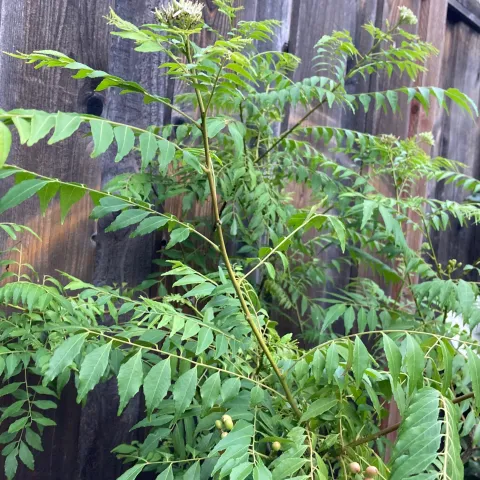
Curry Leaf

Curry Leaf, Bergera koenigii, (formerly Murraya koenigii; older references may still use Murraya) is a small tree native to India. It is not to be confused with curry powder, nor does it taste like curry powder.
View Page
Primary Image
Chervil by Yahui Tu
UC Master Gardeners of Santa Clara County: Page

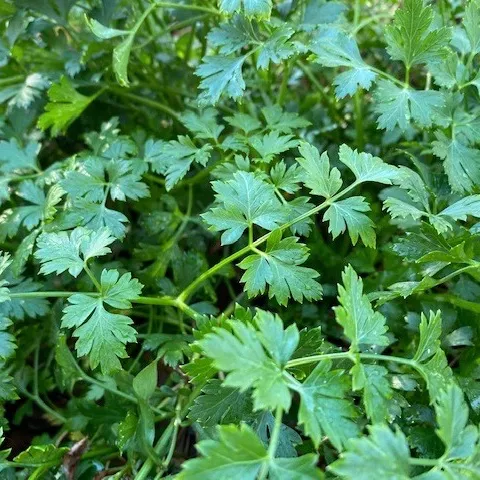
Chervil

Chervil, Anthriscus cerefolium, is one of the classic fines herbes used in French cooking (parsley, chives, and tarragon are the others). It has lacy leaves similar to parsley, but smaller and more delicate. Use chervil in ways similar to parsley—in soups, salads, sauces, and egg dishes. The leaves are…
View Page
Primary Image
Chia, S. Hispanica, by Susan Casner-Kay
UC Master Gardeners of Santa Clara County: Page

Chia

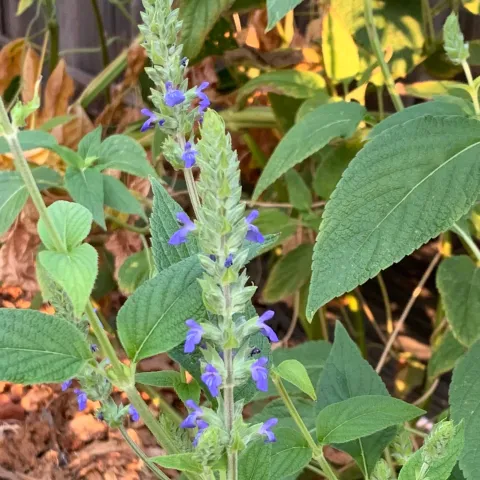
Chia, Salvia hispanica, is a member of the mint family and is native to Mexico and Central America. Chia is grown primarily for the small mottle-colored seeds which are used as a food source. There is another plant grown for seeds, Salvia columbariae, that is commonly known as golden chia, desert chia, or…
View Page
Primary Image
Herb-Dill-Tetra-MG-Karen-Schaffer
UC Master Gardeners of Santa Clara County: Page

Dill

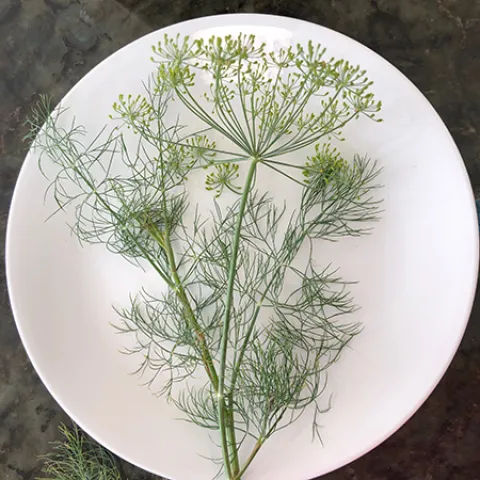
Dill can be grown for both its leaves and seeds. It is a self-seeding annual which will return year-after-year if seeds are allowed to mature in place. Dill is native to southern Russia, western Africa, and the Mediterranean. It is part of the Umbelliferae family, which includes celery, cumin, fennel, and…
View Page
Primary Image
Fenugreek by Sushma Pandey
UC Master Gardeners of Santa Clara County: Page

Fenugreek

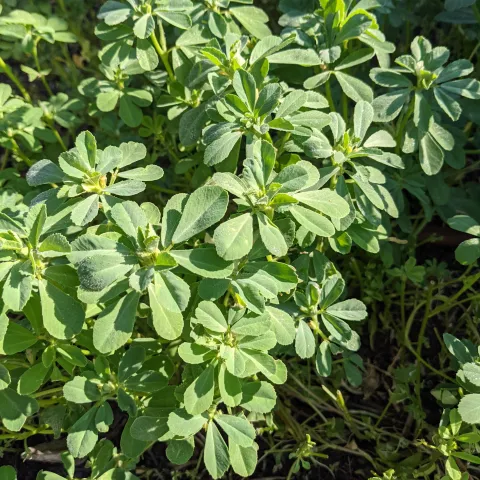
Fenugreek, Trigonella foenum-graecum, is one of the oldest cultivated medicinal plants. Its exact origin is unknown, but it is believed to be native to Southern Europe and Asia. The green parts of the plant are mildly bitter and typically cooked as a vegetable, or dried and used in many versions of spice…
View Page