A Natural Solution for California's Herds: African Catfish Peptides

California's cattle producers and agricultural communities are all too familiar with the rising challenge of antibiotic resistance, making common bacterial infections harder to treat in livestock. But imagine a future where we could tackle these infections with a natural, powerful alternative. Our research points to just that: antimicrobial peptides (AMPs) found in African catfish.

We're really excited about these peptides because African catfish thrive in pathogen-rich freshwater, naturally producing these robust immune compounds in their skin mucus as a defense. This natural origin makes them highly appealing alternatives to synthetic drugs.

Predicted Safety and Potent Action

One of the most compelling aspects of these AMPs is their predicted safety for mammals. Our initial computer analyses suggest that various catfish AMPs are generally recognized as safe (GRAS). We predict they'll be absorbed in the human intestine without causing liver, brain, or heart toxicity. Furthermore, lab tests on a promising peptide, NACAP-II, confirmed it was non-hemolytic, meaning it didn't damage rabbit red blood cells—a strong indicator of its potential safety for mammalian cells.

Beyond safety, these peptides demonstrate effectiveness against problematic bacteria. One study revealed NACAP-II's strong activity against Extended-Spectrum Beta-Lactamase (ESBL)-producing Escherichia coli—a critical concern for both animal and human health due to its resistance to many common antibiotics. Another peptide, ACAP-IV, also showed antibacterial activity against E. coli and Staphylococcus aureus. We believe these AMPs work by directly disrupting bacterial cell membranes, a mechanism that makes it harder for bacteria to develop resistance compared to how they resist traditional antibiotics.

veggie garden plan
Site

CalFresh Healthy Living, UCCE Alameda

Helping students, adults, and seniors make healthy food and physical activity choices! CalFresh Healthy Living, UCCE helps families and individuals choose a healthier lifestyle by encouraging good food habits and decision making skills.
View Site
Mustard growing in orchard
Site

California Cover Crops Resources

A cover crop can be any non-cash crop grown in addition to the primary cash crop. Cover crops offer many potential benefits. There are also management implications to consider when deciding whether to use cover crops, and identifying which crop or mixture of crops to plant.
View Site
header.jpg
Site

Tribal Oak Restoration

Ancient tribal communities across the state have relied on acorns as a staple of their diet, and in some parts of Southern California acorns constituted the majority of the ancient diet. It is no surprise that oaks occupy a special place in the culture of tribal communities.
View Site
Agritourism 2
Site

Small Farms of the Inland Empire

Welcome According to the USDA "More than 90 percent of farms in the U.S. are classified as small, with a gross cash farm income of $250,000, or less." Small-scale farms are the backbone of how we can create a better food system, increase biodiversity, and create stronger communities.
View Site
Site

Hemp Research and Extension Network

Welcome to the Hemp Research and Extension Network! This network is a partnership between hemp growers, consultants, UC researchers, and Cooperative Extension personnel to collaboratively develop, demonstrate and evaluate ecologically-based integrated pest management practices for hemp.
View Site
Site

Workplace Inclusion and Belonging

  Principles of Community Read the UC ANR Principles of Community TOGETHER@WORK  Blog The Together@Work blog strives to share research, ideas, and upcoming and past events. Acts as an opportunity to learn more about the people and groups within our community. Read the…
View Site
Event Primary Image
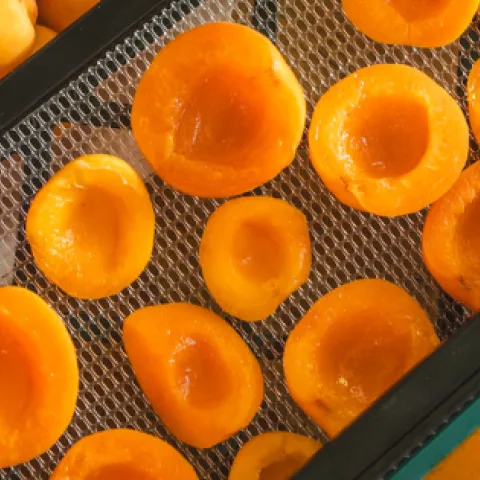
Jar of dehydrated strawberries
UC Master Food Preserver: Event

How to Safely Dehydrate Food at Home With or Without a Dehydrator (Online Delivery Program)

Event Date
Apr 14, 2026

This free online class, taught by the UC Master Food Preservers Online Delivery Program, focuses on food safety principles and practical techniques for preserving food through dehydration.You’ll learn how different drying approaches, including:Solar dryingOpen-air dryingMicrowave dryingForced-air drying …
UC Master Food Preserver
View Event
UC Master Gardeners of Placer County: Article

Back to the Basics – Indigenous Gardening Techniques

March 2, 2026
By Carolyn Borden, UC Master Gardener of Placer CountyMost home gardeners rely on the convenience of nearby nursery centers to select non-native plants from all over the world for planting and to purchase gardening tools, irrigation supplies, fertilizer, and pesticide. Modern gardens often focus on space…
View Article
Nutrition Policy Institute: Page

How to complete the 24-hour Food and Drink Recall (ASA24)

On this page, you will find tips and resources to help you complete your 24-hour food and drink recall.If you have questions or need more help, we encourage you to email the research team at schoolmealsstudy@ucanr.edu.Table of ContentsOverviewTipsMore ResourcesFrequently Asked QuestionsStep-by-Step…
View Page
Primary Image
gsob insect

Goldspotted Oak Borer Up Against the Avocado Orchards

March 2, 2026
By Ben A Faber
 In the hills surrounding many of the avocado orchards in southern California are oaks.  Even in the middle of orchards, and not only in avocados, but also some citrus orchards.  These iconic trees are at risk from a killer pest - Goldspotted Oak Borer. Goldspotted Oak Borer (GSOB) …
View Article
UC Master Gardeners of Ventura County: Event

Pollinator Palooza/Ventura

Event Date
May 16, 2026

Join the Master Gardeners at the annual Ventura Pollinator Pallooza.May 16 10:00 am – 1:00 pm Barranca Vista Center 7050 Ralston St., Ventura
UC Master Gardeners of Ventura County
View Event
Primary Image
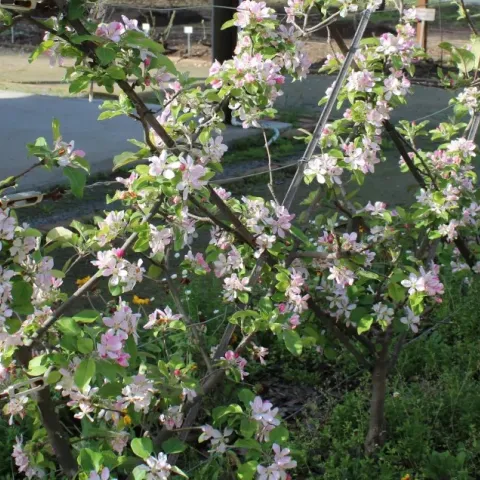
Espalier Apple
UC Master Gardeners of Nevada County: Article

Flat-Out Simple: The Easy Art of Espalier

March 2, 2026
Espaliering fruit trees sounds like one of those old-world gardening skills best left to experts with perfect hedges and lots of free time. In reality, it’s far more approachable and forgiving than most people expect. At its core, espaliering simply means training a tree to grow flat along a wall, fence, or…
View Article