A Natural Solution for California's Herds: African Catfish Peptides

California's cattle producers and agricultural communities are all too familiar with the rising challenge of antibiotic resistance, making common bacterial infections harder to treat in livestock. But imagine a future where we could tackle these infections with a natural, powerful alternative. Our research points to just that: antimicrobial peptides (AMPs) found in African catfish.

We're really excited about these peptides because African catfish thrive in pathogen-rich freshwater, naturally producing these robust immune compounds in their skin mucus as a defense. This natural origin makes them highly appealing alternatives to synthetic drugs.

Predicted Safety and Potent Action

One of the most compelling aspects of these AMPs is their predicted safety for mammals. Our initial computer analyses suggest that various catfish AMPs are generally recognized as safe (GRAS). We predict they'll be absorbed in the human intestine without causing liver, brain, or heart toxicity. Furthermore, lab tests on a promising peptide, NACAP-II, confirmed it was non-hemolytic, meaning it didn't damage rabbit red blood cells—a strong indicator of its potential safety for mammalian cells.

Beyond safety, these peptides demonstrate effectiveness against problematic bacteria. One study revealed NACAP-II's strong activity against Extended-Spectrum Beta-Lactamase (ESBL)-producing Escherichia coli—a critical concern for both animal and human health due to its resistance to many common antibiotics. Another peptide, ACAP-IV, also showed antibacterial activity against E. coli and Staphylococcus aureus. We believe these AMPs work by directly disrupting bacterial cell membranes, a mechanism that makes it harder for bacteria to develop resistance compared to how they resist traditional antibiotics.
UC Organic Agriculture Institute: Event

Fertigation Best Management Practices in Organic Production Systems

Event Date
Feb 10, 2026

Fertigation Best Management Practices in Organic Production Systems by Joji Muramoto, Cooperative Extension Specialist: Organic Agriculture, UC Santa CruzPart of the 6th Annual Organic Agriculture Seminar Series for Growers where each week you'll hear from a guest speaker for a 30-minute presentation…
UC Organic Agriculture Institute
View Event
UC Organic Agriculture Institute: Event

Soil Health Tests: What Do They Really Tell You?

Event Date
Feb 24, 2026

Soil Health Tests: What Do They Really Tell You? by Lindsey Klein, UCCE Small & Organic Farms, Community Education SpecialistPart of the 6th Annual Organic Agriculture Seminar Series for Growers where each week you'll hear from a guest speaker for a 30-minute presentation followed by questions from the…
UC Organic Agriculture Institute
View Event
UC Organic Agriculture Institute: Event

Soil’s Outsized Role in Earth’s Age-Old Carbon Trading Scheme

Event Date
Feb 17, 2026

Soil’s Outsized Role in Earth’s Age-Old Carbon Trading Scheme by Tom Willey, T&D Willey Farms and host of the radio show "Down on the Farm"Part of the 6th Annual Organic Agriculture Seminar Series for Growers where each week you'll hear from a guest speaker for a 30-minute presentation followed by…
UC Organic Agriculture Institute
View Event
UC Organic Agriculture Institute: Event

Getting your Seedling Mix Right

Event Date
Feb 3, 2026

Getting your Seedling Mix Right by Christof Bernau,  Farm Garden Manager, UC Santa CruzPart of the 6th Annual Organic Agriculture Seminar Series for Growers where each week you'll hear from a guest speaker for a 30-minute presentation followed by questions from the listeners and more general discussion…
UC Organic Agriculture Institute
View Event
UC Organic Agriculture Institute: Event

Agritourism

Event Date
Jan 27, 2026

Agritourism by Rachael Callahan, Statewide Agritourism Coordinator, UC ANRPart of the 6th Annual Organic Agriculture Seminar Series for Growers where each week you'll hear from a guest speaker for a 30-minute presentation followed by questions from the listeners and more general discussion. Each workshop is…
UC Organic Agriculture Institute
View Event
UC Organic Agriculture Institute: Event

Nuts and Bolts of Irrigation

Event Date
Jan 20, 2026

Nuts and Bolts of Irrigation Charlie Abee, Professor of Agriculture Technology and Irrigation, College of the SequoiasPart of the 6th Annual Organic Agriculture Seminar Series for Growers where each week you'll hear from a guest speaker for a 30-minute presentation followed by questions from the listeners…
UC Organic Agriculture Institute
View Event
UC Organic Agriculture Institute: Event

Preventative Organic Pest Management

Event Date
Jan 13, 2026

Preventative Organic Pest Management by Gina Colfer, Sustainable Solutions Agronomy Manager for Organics at Wilbur- EllisPart of the 6th Annual Organic Agriculture Seminar Series for Growers where each week you'll hear from a guest speaker for a 30-minute presentation followed by questions from the listeners…
UC Organic Agriculture Institute
View Event
Primary Image
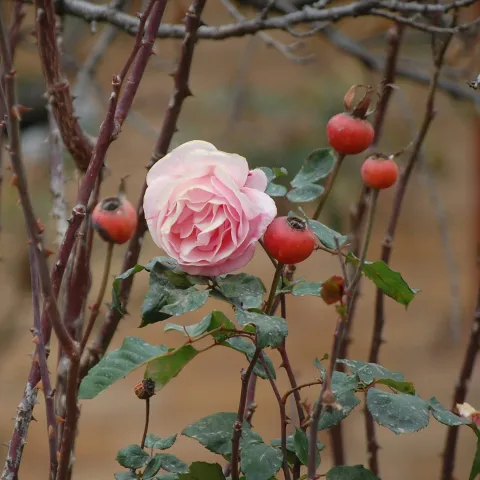
rose in winter
UC Master Gardeners of San Mateo & San Francisco Counties: Article

It's Rose Pruning Time

January 11, 2026
By Cathrin Callas
 January and February are the ideal months for pruning roses, before new growth emerges. Using clean and sharp pruners, remove dead, damaged, diseased and crossing canes, and canes thinner than a pencil. Make clean cuts slightly above a bud that points toward the outside of the plant. The amount of…
View Article
UC Organic Agriculture Institute: Page

FAQs

IndexWhat is organic certification?What land can be certified?What if I own a small operation?How do I get started?Who are organic certifiers?What is an Organic System Plan (OSP)?How do I prepare for an inspection?How do I renew my certification?Are there resources or templates I can use in the certification…
View Page
UC Organic Agriculture Institute: Page

Ten Steps to Organic Certification

 Estas viendo esta pagina en ingles. Si deseas verla en español, haz presiona aqui. Operations in California that want to call their product organic need to register with the CDFA State Organic Program (SOP) and comply with USDA National Organic Program (NOP) regulations. Farmers who make more…
View Page