A Natural Solution for California's Herds: African Catfish Peptides

California's cattle producers and agricultural communities are all too familiar with the rising challenge of antibiotic resistance, making common bacterial infections harder to treat in livestock. But imagine a future where we could tackle these infections with a natural, powerful alternative. Our research points to just that: antimicrobial peptides (AMPs) found in African catfish.

We're really excited about these peptides because African catfish thrive in pathogen-rich freshwater, naturally producing these robust immune compounds in their skin mucus as a defense. This natural origin makes them highly appealing alternatives to synthetic drugs.

Predicted Safety and Potent Action

One of the most compelling aspects of these AMPs is their predicted safety for mammals. Our initial computer analyses suggest that various catfish AMPs are generally recognized as safe (GRAS). We predict they'll be absorbed in the human intestine without causing liver, brain, or heart toxicity. Furthermore, lab tests on a promising peptide, NACAP-II, confirmed it was non-hemolytic, meaning it didn't damage rabbit red blood cells—a strong indicator of its potential safety for mammalian cells.

Beyond safety, these peptides demonstrate effectiveness against problematic bacteria. One study revealed NACAP-II's strong activity against Extended-Spectrum Beta-Lactamase (ESBL)-producing Escherichia coli—a critical concern for both animal and human health due to its resistance to many common antibiotics. Another peptide, ACAP-IV, also showed antibacterial activity against E. coli and Staphylococcus aureus. We believe these AMPs work by directly disrupting bacterial cell membranes, a mechanism that makes it harder for bacteria to develop resistance compared to how they resist traditional antibiotics.
Subtropical Fruit Crops Research & Education: Page

Gold Nugget Mandarin

Characteristics of Gold Nugget Mandarin Citrus reticulate Blanco...
View Page
Subtropical Fruit Crops Research & Education: Page

Avocado Production Books

Book 1: Background Information-Digital Version (PDF) Chapter 1: History of the Avocado Industry in California Chapter 2: Avocado Botany and Commercial Cultivars Grown in California Chapter 3: Avocado Flowering and Pollination Chapter 4: Avocado Rootstocks Chapter 5: Site Selection, Road Engineering...
View Page
Subtropical Fruit Crops Research & Education: Page

Projects

Mandarin Gold Nugget Trial Information coming soon!...
View Page
UC Master Gardeners of Fresno County: Page

Community Gardens

Gardening is one strategy for improving much-needed access to fresh produce. But, many Fresno residents live in apartments or in home where they do not have space for gardening. Community gardens provide space by repurposing vacant land.
View Page
UC Master Gardeners of Fresno County: Page

Additional Tree Information

Training Young Trees - Structural Pruning For Home Gardeners Pests in Gardens and Landscapes - Ornamental Trees and Shrubs National Register of Big Trees California Big Tree Register UC Oak Woodland Management Additional UC ANR publications can be ordered and paid for by credit card online through t...
View Page
UC Master Gardeners of Fresno County: Page

Sudden Oak Death

Pest Note: Sudden Oak Death in California USDA Info: Sudden Oak Death Information...
View Page
Primary Image
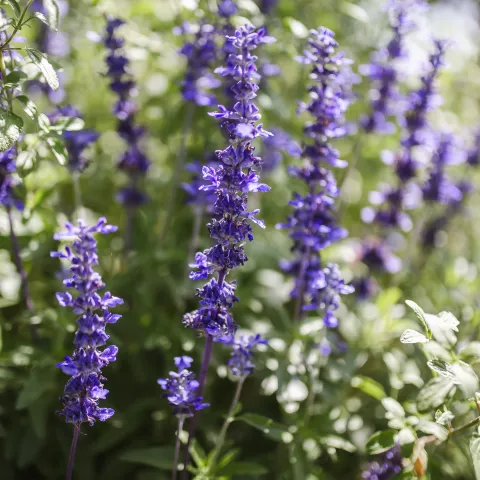
flowers at gos
UC Master Gardeners of Fresno County: Page

Garden of the Sun Demonstration Garden

The Garden includes an extensive orchard of fruit trees, vines, and berries; beds of vegetables, herbs, perennials, small space gardening demonstrations, All-America Selections, a sun/shade garden, and a compost demonstration area in a setting designed by landscape designer, Robert Truxell.
View Page