A Natural Solution for California's Herds: African Catfish Peptides

California's cattle producers and agricultural communities are all too familiar with the rising challenge of antibiotic resistance, making common bacterial infections harder to treat in livestock. But imagine a future where we could tackle these infections with a natural, powerful alternative. Our research points to just that: antimicrobial peptides (AMPs) found in African catfish.

We're really excited about these peptides because African catfish thrive in pathogen-rich freshwater, naturally producing these robust immune compounds in their skin mucus as a defense. This natural origin makes them highly appealing alternatives to synthetic drugs.

Predicted Safety and Potent Action

One of the most compelling aspects of these AMPs is their predicted safety for mammals. Our initial computer analyses suggest that various catfish AMPs are generally recognized as safe (GRAS). We predict they'll be absorbed in the human intestine without causing liver, brain, or heart toxicity. Furthermore, lab tests on a promising peptide, NACAP-II, confirmed it was non-hemolytic, meaning it didn't damage rabbit red blood cells—a strong indicator of its potential safety for mammalian cells.

Beyond safety, these peptides demonstrate effectiveness against problematic bacteria. One study revealed NACAP-II's strong activity against Extended-Spectrum Beta-Lactamase (ESBL)-producing Escherichia coli—a critical concern for both animal and human health due to its resistance to many common antibiotics. Another peptide, ACAP-IV, also showed antibacterial activity against E. coli and Staphylococcus aureus. We believe these AMPs work by directly disrupting bacterial cell membranes, a mechanism that makes it harder for bacteria to develop resistance compared to how they resist traditional antibiotics.
Primary Image
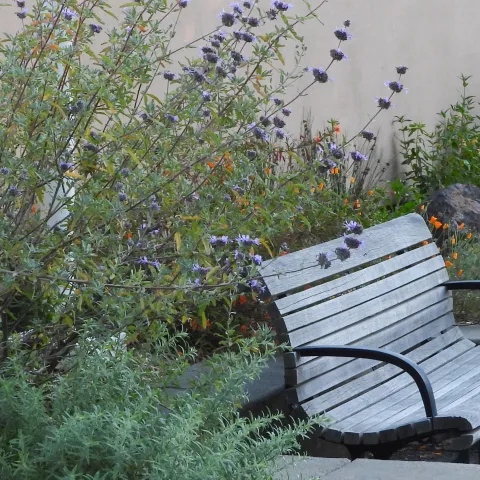
garden benches
UC Master Gardeners of San Mateo & San Francisco Counties: Page

San Carlos Native Plant Habitat Garden

Master Gardeners have created a native habitat garden and ecosystem, designed to be low maintenance, educational, and teeming with life. Native California plants were chosen to create a diverse community that provides food for wildlife, attracting birds, butterflies, and other pollinators. This 8,000 square…
View Page
UC Master Gardeners of San Mateo & San Francisco Counties: Page

UC Master Gardener Tree Stumps

Master Gardeners find urban tree stumps, evaluate the visible wood decay and then enter the information into an online database. The presence of decay is an element of tree risk assessment, which is used in urban tree management (retention/removal).
View Page
UC Master Gardeners of San Mateo & San Francisco Counties: Page

Soil

Healthy soil is the single most important building block in gardening. First, make sure you know what kind of soil you have. Then, consider techniques to build healthy soil that will grow a bountiful garden.
View Page
UC Master Gardeners of San Mateo & San Francisco Counties: Page

Climate

  We enjoy an unusual climate in San Mateo and San Francisco Counties. Dry summers, mild winters, and the influence of bay and ocean make it possible to grow an amazing variety of plants.This climate also has its challenges. Mild winters may not provide enough "chill" time for some fruits to…
View Page
UC Master Gardeners of San Mateo & San Francisco Counties: Page

Pruning

Understanding the basic form of a tree, then pruning and training using proper techniques, will help that tree grow into its most structurally sound and graceful shape. Its important to start when the tree is young. The same holds true for pruning shrubs.
View Page
UC Master Gardeners of San Mateo & San Francisco Counties: Page

Harvest For Neighbors

Harvest for Neighbors builds on the tradition of gardeners sharing their harvest with others. It is a people-helping-people project to assist in feeding the hungry in our communities.
View Page
UC Master Gardeners of San Mateo & San Francisco Counties: Page

Laurel Street Container Garden

Plant list: View a list of plants in each container Location: Laurel Street, between San Carlos Avenue and Arroyo Avenue, San Carlos Status: Open to the public The UC Master Gardeners of San Mateo and San Francisco Counties, in partnership with the City of San Carlos and the non-profit organization...
View Page
UC Master Gardeners of San Mateo & San Francisco Counties: Page

Foster City Library Habitat Garden

Location: Next to the Foster City Library Community Center on Shell Blvd, in Foster City, CA Photo by Laura Majerus Master Gardeners transformed a traditional landscape on a busy corner into a habitat garden to attract beneficial insects, birds and other fauna.
View Page
UC Master Gardeners of San Mateo & San Francisco Counties: Page

San Carlos Library Herb Garden

Location: 610 Elm St, San Carlos, CA 94070 Status: Open to the public In collaboration with the City of San Carlos, Master Gardeners created a pocket herb garden outside the childrens wing of the San Carlos Public Library behind City Hall.
View Page
UC Master Gardeners of San Mateo & San Francisco Counties: Page

Plant Clinics

Subscribe to our monthly newsletter!Plant ClinicsPlant clinics provide a time and place for gardeners to bring their gardening questions to us in person. Bring a plant sample sealed in a plastic bag; or photos; or just questions to our table.
View Page