A Natural Solution for California's Herds: African Catfish Peptides

California's cattle producers and agricultural communities are all too familiar with the rising challenge of antibiotic resistance, making common bacterial infections harder to treat in livestock. But imagine a future where we could tackle these infections with a natural, powerful alternative. Our research points to just that: antimicrobial peptides (AMPs) found in African catfish.

We're really excited about these peptides because African catfish thrive in pathogen-rich freshwater, naturally producing these robust immune compounds in their skin mucus as a defense. This natural origin makes them highly appealing alternatives to synthetic drugs.

Predicted Safety and Potent Action

One of the most compelling aspects of these AMPs is their predicted safety for mammals. Our initial computer analyses suggest that various catfish AMPs are generally recognized as safe (GRAS). We predict they'll be absorbed in the human intestine without causing liver, brain, or heart toxicity. Furthermore, lab tests on a promising peptide, NACAP-II, confirmed it was non-hemolytic, meaning it didn't damage rabbit red blood cells—a strong indicator of its potential safety for mammalian cells.

Beyond safety, these peptides demonstrate effectiveness against problematic bacteria. One study revealed NACAP-II's strong activity against Extended-Spectrum Beta-Lactamase (ESBL)-producing Escherichia coli—a critical concern for both animal and human health due to its resistance to many common antibiotics. Another peptide, ACAP-IV, also showed antibacterial activity against E. coli and Staphylococcus aureus. We believe these AMPs work by directly disrupting bacterial cell membranes, a mechanism that makes it harder for bacteria to develop resistance compared to how they resist traditional antibiotics.
UCCE Central Sierra: Page

Calculating Forage Loss

These resources will help you figure out your forage loss. Annual Rangeland Forage Loss webpage - publications and worksheets to help with calculating forage loss.
View Page
Primary Image
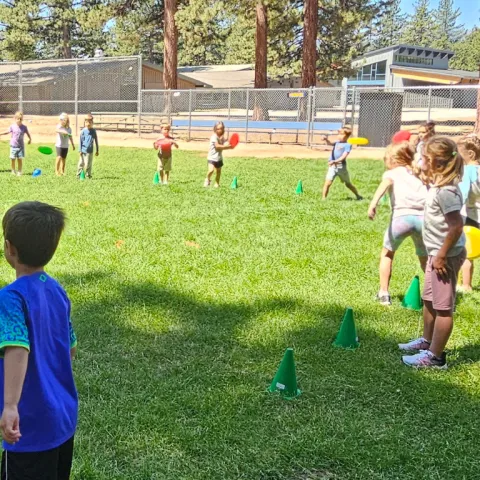
Children playing a frisbee game.
UCCE Central Sierra: Page

Central Sierra: Community Nutrition and Health

The CalFresh Healthy Living, UCCE program in the Central Sierra operates in four counties, El Dorado, Amador, Calaveras and Tuolumne. Our nutrition education team works out of offices in Placerville, South Lake Tahoe, Sutter Creek, San Andreas, and Sonora.
View Page
UCCE Central Sierra: Page

Common Pokeweed

By Scott Oneto, Farm Advisor, University of California Cooperative Extension This time of year, I often get asked, what is that huge weed growing in my yard with dark black berries and big green leaves.
View Page
UCCE Central Sierra: Page

Central Sierra Online Nutrition Education

Visit our Central Sierra CalFresh Healthy Living UC YouTube page to access more than 50 short educational videos on topics including: Harvest of the Month Cooking at Home Gardening at Home Physical Activity Serving Up MyPlate The CalFresh Healthy Living-UC program in the Central Sierra is currently...
View Page
UCCE Central Sierra: Page

Match.Graze

In the wake of the devastating wildfires that have affected California in the past few years, many municipalities adopted stringent weed abatement & fire code enforcement policies. This has led to a demand for cost effective, practical vegetation management services such as contract grazing.
View Page
UCCE Central Sierra: Page

Central Sierra: Agriculture | Small Farms Information

Why do you want to farm? Why do you want to get into the farming business? Is farming for you? From these basic questions, many more granular questions follow: What does record keeping for livestock and farm businesses look like? What are best practices for marketing and selling any particular product? What…
View Page