A Natural Solution for California's Herds: African Catfish Peptides

California's cattle producers and agricultural communities are all too familiar with the rising challenge of antibiotic resistance, making common bacterial infections harder to treat in livestock. But imagine a future where we could tackle these infections with a natural, powerful alternative. Our research points to just that: antimicrobial peptides (AMPs) found in African catfish.

We're really excited about these peptides because African catfish thrive in pathogen-rich freshwater, naturally producing these robust immune compounds in their skin mucus as a defense. This natural origin makes them highly appealing alternatives to synthetic drugs.

Predicted Safety and Potent Action

One of the most compelling aspects of these AMPs is their predicted safety for mammals. Our initial computer analyses suggest that various catfish AMPs are generally recognized as safe (GRAS). We predict they'll be absorbed in the human intestine without causing liver, brain, or heart toxicity. Furthermore, lab tests on a promising peptide, NACAP-II, confirmed it was non-hemolytic, meaning it didn't damage rabbit red blood cells—a strong indicator of its potential safety for mammalian cells.

Beyond safety, these peptides demonstrate effectiveness against problematic bacteria. One study revealed NACAP-II's strong activity against Extended-Spectrum Beta-Lactamase (ESBL)-producing Escherichia coli—a critical concern for both animal and human health due to its resistance to many common antibiotics. Another peptide, ACAP-IV, also showed antibacterial activity against E. coli and Staphylococcus aureus. We believe these AMPs work by directly disrupting bacterial cell membranes, a mechanism that makes it harder for bacteria to develop resistance compared to how they resist traditional antibiotics.

Primary Image
Fire
Shasta County: Page

Fire Recovery Resources

Below is an archived Fire Recovery Resources post from the Carr Fire. Many of the resources remain relevant. Presentation Presenter Agency Insurance Considerations Kari Haley-Hathaway Haley Insurance Marketing, Inc.
View Page
Primary Image
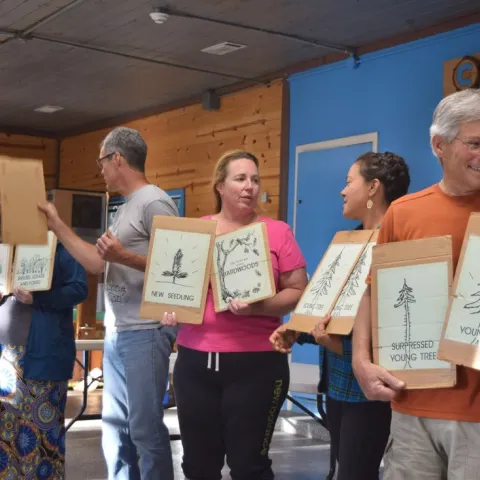
FIT members
Shasta County: Page

Shasta Forestry Institute for Teachers

The Forestry Institute for Teachers (FIT) is an immersive, week-long Professional Learning Program providing interdisciplinary, hands-on experiences for California Educators. FIT is a program of the California Society of American Foresters, jointly administered by the University of California.
View Page
Primary Image
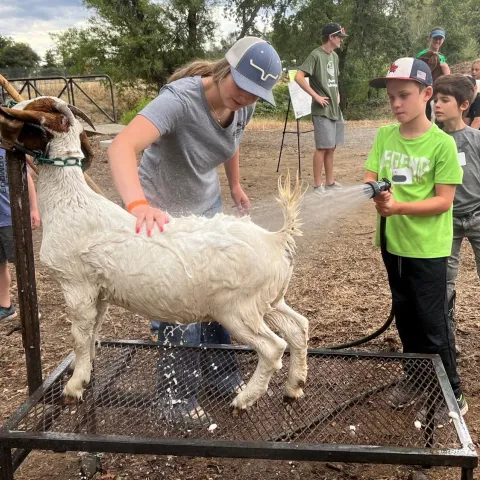
Farm Camp 2022
Shasta County: Page

4-H Members

The mission of 4-H is to help young people develop their potential. This is done by encouraging them to participate in practical real-life experiences. As a result of this involvement, members should be better able to lead satisfying lives as responsible, self-directed members of society.
View Page
Shasta County: Page

Record Book

Record Book Tips Why have 4-H Record Books? 4-H Record Books serve a variety of purposes in the California 4-H Youth Development Program. 4-H Record Books give members an opportunity to reflect on their yearly work. They document their skill development and learning experiences in a written report.
View Page
Shasta County: Page

4-H Clubs / Projects / Enrollment

A 4-H club is an organized group of at least five youth from three different families, with two 4-H appointed adult volunteers. Members and leaders meet regularly and have a planned program that is carried out through all or most of the year.
View Page
Shasta County: Page

Club Officers

4-H club officers are elected annually in accordance with the club's constitution and bylaws. Under the guidance of the 4-H community club leader and/or the officer's advisor, officers are responsible for a particular part of the 4-H club's function.
View Page
Shasta County: Page

Become a Far North Master Food Preserver

As a Volunteer of the Master Food Preserver program, you are considered an agent of the University of California Cooperative Extension (UCCE) who educates our community about research-based food preservation techniques.
View Page