A Natural Solution for California's Herds: African Catfish Peptides

California's cattle producers and agricultural communities are all too familiar with the rising challenge of antibiotic resistance, making common bacterial infections harder to treat in livestock. But imagine a future where we could tackle these infections with a natural, powerful alternative. Our research points to just that: antimicrobial peptides (AMPs) found in African catfish.

We're really excited about these peptides because African catfish thrive in pathogen-rich freshwater, naturally producing these robust immune compounds in their skin mucus as a defense. This natural origin makes them highly appealing alternatives to synthetic drugs.

Predicted Safety and Potent Action

One of the most compelling aspects of these AMPs is their predicted safety for mammals. Our initial computer analyses suggest that various catfish AMPs are generally recognized as safe (GRAS). We predict they'll be absorbed in the human intestine without causing liver, brain, or heart toxicity. Furthermore, lab tests on a promising peptide, NACAP-II, confirmed it was non-hemolytic, meaning it didn't damage rabbit red blood cells—a strong indicator of its potential safety for mammalian cells.

Beyond safety, these peptides demonstrate effectiveness against problematic bacteria. One study revealed NACAP-II's strong activity against Extended-Spectrum Beta-Lactamase (ESBL)-producing Escherichia coli—a critical concern for both animal and human health due to its resistance to many common antibiotics. Another peptide, ACAP-IV, also showed antibacterial activity against E. coli and Staphylococcus aureus. We believe these AMPs work by directly disrupting bacterial cell membranes, a mechanism that makes it harder for bacteria to develop resistance compared to how they resist traditional antibiotics.
Veggies
Site

Online Agricultural Resources

This website is intended to assist local growers in the San Diego region in their efforts to remain competitive by providing useful guidelines and resources.
View Site
Clean water for farms
Site

Assembly Bill 589 Training Classes

AB 589 (Bigelow): Water diversion: monitoring and reporting training Senate Bill 88 requires all water right holders - who have previously diverted or intend to divert more than 10 acre-feet per year (including riparian and pre-1914 claims), or are authorized to divert more than 10 acre-feet per yea...
View Site
header.jpg
Site

Alternatives to Citrus in the Fight Against ACP/HLB

Los Angeles County and neighboring areas of Southern California are a paradise for gardeners who enjoy growing fruit trees in their backyards, at their community garden, or even in a container on their patio. This website suggests some possible fruit trees for your family to enjoy.
View Site
South American Palm Weevil Banner
Site

South American Palm Weevil

The South American palm weevil (SAPW), known to scientists as Rhynchophorus palmarum, is an invasive beetle that has been detected infesting palm trees in San Diego County.
View Site
Site

Plant Safely in Drought-Tolerant Landscapes

Did You Know? Some drought-tolerant plants can be toxic or harmful and are for sale at your local plant nursery. Learn how to avoid injury and safely enjoy these beautiful plants in your drought-tolerant landscape.
View Site
Master Gardener Plant Sale Event
Site

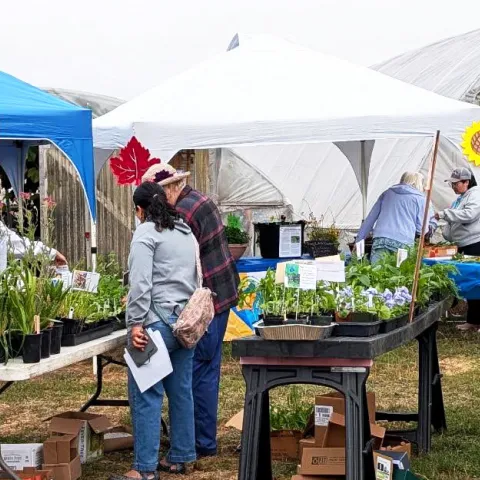
UC Master Gardeners of Humboldt & Del Norte Counties

Welcome to the UC Master Gardeners of Humboldt & Del Norte CountiesAs part of the University of California Agriculture and Natural Resources (UCANR), we serve our community by sharing research-based knowledge and sustainable gardening practices. Trained UC Master Gardener volunteers empower Humboldt and…
View Site
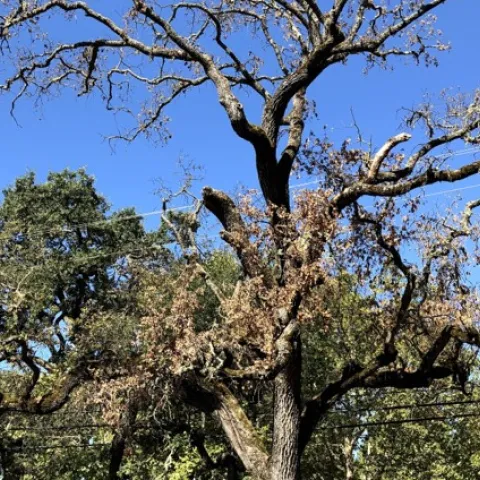
Valley oak in severe decline following MOB infestation.
Site

Mediterranean Oak Borer

The Mediterranean Oak Borer (Xyleborus monographus) is an ambrosia beetle that was found infesting several valley oak trees in Calistoga, (Napa County) California in 2019. The extent of its distribution within Napa County and neighboring Sonoma and Lake Counties is currently undetermined.
View Site
Site

UC ANR How-To Video Training

This course will show you how to produce short "How-To" style videos. By following the content here you will gain the basic skills needed to plan, record, edit, and post videos. Producing videos takes practice.
View Site
UC ANR Staff Assembly: Page

Contact Us

Staff Assembly Council AlumniWe appreciate the volunteers that have contributed to better everyone's experience at UC ANR. Visit our Staff Alumni page to view the volunteers that have served under the Staff Assembly Council.Meet Our Team Lindsey Pedroncelli ChairEmail: lrpedroncelli@ucanr.edu  …
View Page
Resource Planning and Management: Page

Contact Us

Resource Planning & Management1111 Franklin St., 11th FloorOakland, CA 94607-5200Phone: (510) 987-9240Fax: (510) 587-6491Meet Our Team  Jennifer Bunge, CPAExecutive DirectorPhone: (510) 987-0102Email: Jennifer.Bunge@ucop.edu Budget Operations  Samantha DangAssociate Budget…
View Page
Placer County 4-H: Event

Bi-County Fashion Revue Registration Deadline

Event Date
Apr 15, 2026

Registration Deadline: 11:59 p.m. on April 15th (no late entries accepted)The 2025-2026 County & State Fashion Revue categories are:TraditionalConsumer Science Purchased, $50.00 limitUniquely UpcycledPantone Color of the Year 2025 ChallengeCostume ChallengeSoftie ChallengeNeedleworkCounty level…
Placer County 4-H
View Event
Placer County 4-H: Event

Laura & Neil Hulbert Scholarship Award Application Due

Event Date
Apr 13, 2026

Laura and Neil HULBERT Award* Applications will be due to the 4-H Office on Friday, April 17, 2026, by 5:00 p.m.* Interviews will be held at the 4-H Office on Thursday, April 30, 2026, starting at 5:00 p.m.This award was established by Laura and Neil Hulbert, who were strong supporters of youth…
Placer County 4-H
View Event
Primary Image
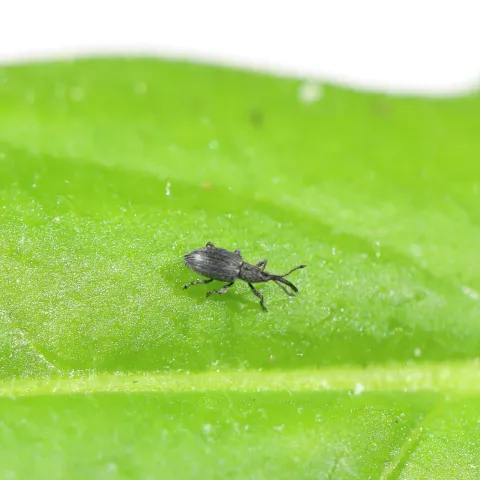
A small grey beetle with a long snout that curves downward standing on a green yellow starthistle leaf.
Pests in the Urban Landscape: Article

The Good Bugs That Control Invasive Pests (Part 2)

April 13, 2026
By Lindsey Hack
In Part 1 of this story, we covered some basics of biological control. Now let’s talk about some of the good bugs helping to control invasive pests in California. Controlling yellow starthistle one weevil at a time Yellow starthistle (or YST) is a harmful invasive plant that is established and…
View Article
Event Primary Image
Plant Diseases
UC Master Gardeners of Solano County: Event

Diseases and Disorders in Vegetable Gardens

Event Date
May 28, 2026

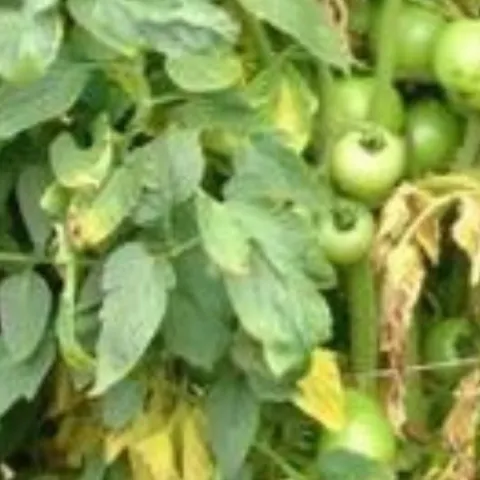
Presenter: Mackenzie Patton UCCE Integrated Pest Management Advisor.Description: This presentation will cover & variety of abiotic disorders, such as heat stress or nutrient   deficiency, and vegetable diseases common in the Sacramento Valley and teach you how to tell the     difference…
UC Master Gardeners of Solano County
View Event
Thriving Forward: Article

Logistical Considerations When Implementing a 4-H After School Program

April 13, 2026
By Matthew R Rodriguez, Grace Belt, Stepha Velednitsky, Steven Worker, Marianne Bird, Nicole K Marshall-Wheeler, Ally Lemmer, Kimberly Holmes
Introduction In our previous post, we discussed the importance of assessing staff capacity. Assessing the after school staff’s capacity is an important consideration when discussing a partnership. Also, understanding your 4-H staff’s capacity can also help ensure that your partnership will have the…
View Article
The Backyard Gardener: Article

April Gardening Tasks

April 13, 2026
By Dustin W Blakey
By Alison Collin, Inyo-Mono Master Gardener VolunteerApril is a good time to look around the garden and tackle issues before they become bigger problems later in the growing season. Some tasks can be dealt with quickly—snipping off rhubarb flower stems or pulling a grass plant before it seeds—while others…
View Article
Primary Image
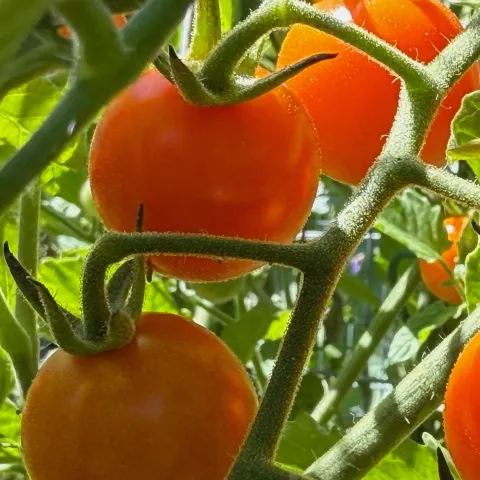
sungold cherry tomatoes growing on a tomato plant
UC Marin Master Gardeners: Article

Tomato time!

April 13, 2026
 Some people wait all year for a holiday.  Me, I wait all year for tomatoes in my garden.  Just the smell of the plant gives my heart wings.  Once they are in the ground, I talk to them daily to encourage fruit.  A blossom is cause for celebration.  It’s…
View Article