A Natural Solution for California's Herds: African Catfish Peptides

California's cattle producers and agricultural communities are all too familiar with the rising challenge of antibiotic resistance, making common bacterial infections harder to treat in livestock. But imagine a future where we could tackle these infections with a natural, powerful alternative. Our research points to just that: antimicrobial peptides (AMPs) found in African catfish.

We're really excited about these peptides because African catfish thrive in pathogen-rich freshwater, naturally producing these robust immune compounds in their skin mucus as a defense. This natural origin makes them highly appealing alternatives to synthetic drugs.

Predicted Safety and Potent Action

One of the most compelling aspects of these AMPs is their predicted safety for mammals. Our initial computer analyses suggest that various catfish AMPs are generally recognized as safe (GRAS). We predict they'll be absorbed in the human intestine without causing liver, brain, or heart toxicity. Furthermore, lab tests on a promising peptide, NACAP-II, confirmed it was non-hemolytic, meaning it didn't damage rabbit red blood cells—a strong indicator of its potential safety for mammalian cells.

Beyond safety, these peptides demonstrate effectiveness against problematic bacteria. One study revealed NACAP-II's strong activity against Extended-Spectrum Beta-Lactamase (ESBL)-producing Escherichia coli—a critical concern for both animal and human health due to its resistance to many common antibiotics. Another peptide, ACAP-IV, also showed antibacterial activity against E. coli and Staphylococcus aureus. We believe these AMPs work by directly disrupting bacterial cell membranes, a mechanism that makes it harder for bacteria to develop resistance compared to how they resist traditional antibiotics.
Event Primary Image
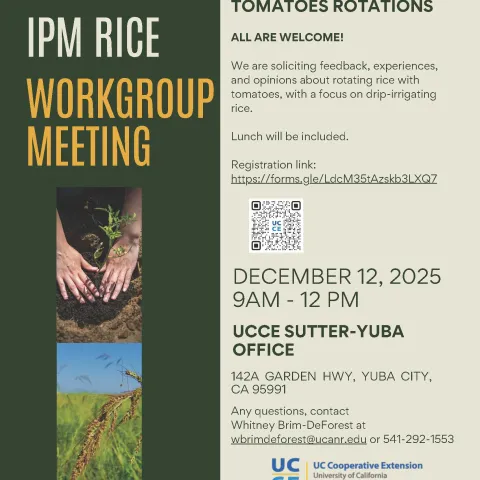
IPM Rice Workgroup Meeting
Cooperative Extension, Sutter-Yuba Counties: Event

IPM RICE WORKGROUP MEETING

Event Date
Dec 12, 2025

Join us for the IPM Rice Workgroup Meeting on December 12th to share your experiences and insights on rotating rice with tomatoes, with a special focus on drip-irrigated rice. All are welcome, lunch is provided, and your input is valued! The meeting will be held from 9 AM–12 PM at the UCCE Sutter-Yuba Office…
Cooperative Extension, Sutter-Yuba Counties
View Event
Primary Image
sweet peas growing in a yard
Under the Solano Sun: Article

Sweet Pea Chronicles

November 14, 2025
By Jennifer M Baumbach
Blog article by Nanelle Jones-Sullivan In early  October, I went to a wonderful Master Gardener class about growing Sweet Peas. I have grown sweet peas before, but this year I am determined to be more intentional, use what I learned to have a longer, better season. This year, I will be…
View Article
Primary Image
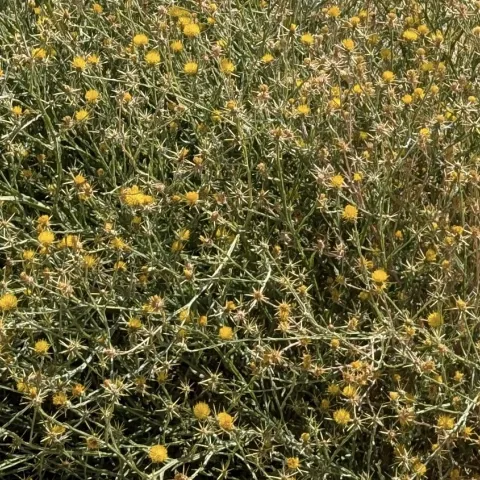
Many spindly, light green plants with bright yellow flowers growing close together.

Invasive Species: Nature’s Troublemakers

November 14, 2025
By Lindsey Hack
California is famous for its scenic wilderness and biological diversity. Unfortunately, our state’s unique ecosystems are in danger, and invasive species are among the biggest threats to our environment. Invasive species can cause all kinds of environmental damage, such as harming wildlife, disrupting our…
View Article
UC Master Gardener Program of Contra Costa County: Event

Library Talk - Microgreens - LIB2025

Event Date
Dec 1, 2025

UC Master Gardener volunteer Andrea Salzman shows you how vegetables and herbs can be grown year-round into microgreens inside your home.
UC Master Gardener Program of Contra Costa County
View Event
Primary Image
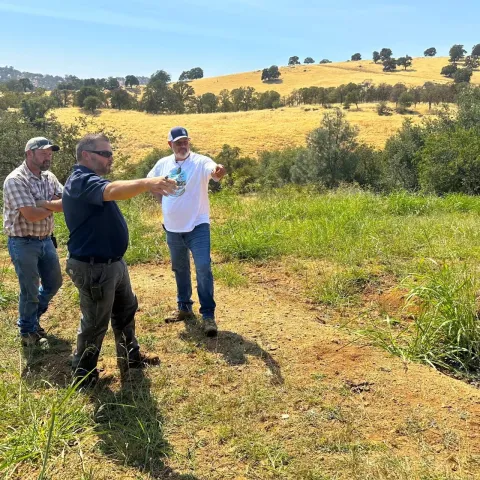
Investigadores hacen un recorrido por los campos.
Blog Verde: Article

¿Podría el polvo de roca en los campos de cultivo ser la solución al problema del carbono atmosférico?

November 14, 2025
By Michael Hsu
Investigación sobre prometedora práctica agrícola coordinada por UC, que perdió recientemente fondos federales, continuará adelante con donativos privados Investigadores de la Universidad de California han encontrado, en la misma naturaleza, la posible solución al problema de contaminación atmosférica con…
View Article
Primary Image
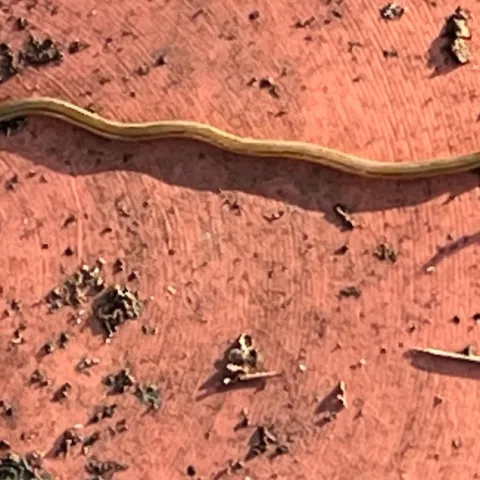
Shovelhead worm
Fresno Gardening Green: Article

Distasteful invasive worm pest found in Fresno County backyard

November 14, 2025
By Jeannette Warnert
 Five years ago, longtime Master Gardener Margie Reisz was walking on a sidewalk in her west Fresno backyard when she saw an excessively long worm with two distinctive dark chocolate brown stripes along its length.“I took a picture and sent it to my husband, and he identified it,” Reisz said. “It wasn’t…
View Article
Primary Image
Heat tolerant garden
Fresno Gardening Green: Article

This week in the garden: Nov. 14 - 20

November 14, 2025
By Jeannette Warnert
A devoted gardener would rather give or receive tools, plants, or a unique garden treasure than gold, diamonds, or pearls.TasksMonitor ground moisture, especially in beds and under eaves and patios.Store unused fertilizers and pesticides in a dry place.Dig and divide overcrowded dahlia tubers and store in a…
View Article
UC Master Food Preserver Coordinators: Article

UC Master Food Preserver Volunteer Position Description

November 13, 2025
By Susan Mosbacher
 Our Mission: “to keep Californians safe and well as they use culturally appropriate, research-based practices to safely preserve food in the home, reducing food waste, increasing food security, and providing engaging ways for Californians to explore healthy food.”Volunteers for the UC Master Food…
View Article
UC Master Food Preserver Coordinators: Article

New Volunteer Interview Process

November 13, 2025
By Susan Mosbacher
Recommended Interview ProcessDesignate one volunteer or staff person as the facilitator of each session. This person will direct the “action,” starting with activities and introduction described below. The other volunteers or staff members can take turns asking the questions listed below. The facilitator…
View Article