A Natural Solution for California's Herds: African Catfish Peptides

California's cattle producers and agricultural communities are all too familiar with the rising challenge of antibiotic resistance, making common bacterial infections harder to treat in livestock. But imagine a future where we could tackle these infections with a natural, powerful alternative. Our research points to just that: antimicrobial peptides (AMPs) found in African catfish.

We're really excited about these peptides because African catfish thrive in pathogen-rich freshwater, naturally producing these robust immune compounds in their skin mucus as a defense. This natural origin makes them highly appealing alternatives to synthetic drugs.

Predicted Safety and Potent Action

One of the most compelling aspects of these AMPs is their predicted safety for mammals. Our initial computer analyses suggest that various catfish AMPs are generally recognized as safe (GRAS). We predict they'll be absorbed in the human intestine without causing liver, brain, or heart toxicity. Furthermore, lab tests on a promising peptide, NACAP-II, confirmed it was non-hemolytic, meaning it didn't damage rabbit red blood cells—a strong indicator of its potential safety for mammalian cells.

Beyond safety, these peptides demonstrate effectiveness against problematic bacteria. One study revealed NACAP-II's strong activity against Extended-Spectrum Beta-Lactamase (ESBL)-producing Escherichia coli—a critical concern for both animal and human health due to its resistance to many common antibiotics. Another peptide, ACAP-IV, also showed antibacterial activity against E. coli and Staphylococcus aureus. We believe these AMPs work by directly disrupting bacterial cell membranes, a mechanism that makes it harder for bacteria to develop resistance compared to how they resist traditional antibiotics.

Primary Image
Permeable walkway
Napa Master Gardener Column: Article

Catch The Rain

November 15, 2025
By Michael Lecours
By Carol Glaser, UC Master Gardener of Napa County. When our first fall rains arrive, we gardeners breathe a sigh of relief. We need this moisture, and so does the soil after the long, hot dry spell of summer. Our fall and winter rain is precious, but home builders and engineers have worked hard to move…
View Article
Event Primary Image
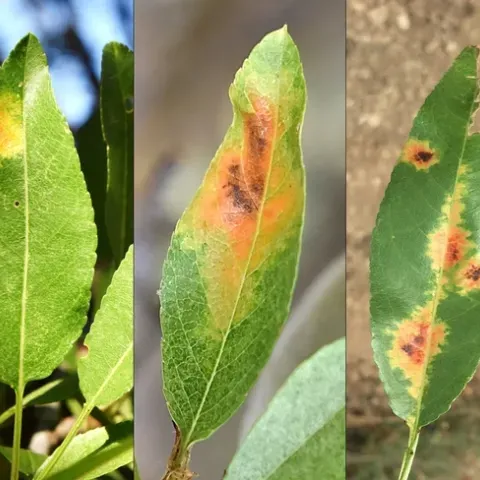
Three leaves with large, yellow-orange blotches that turn reddish-brown in their center
UC Ag Experts Talk Webinar Series: Event

UC Ag Experts Talk: Epidemiology and Control of the Invasive Red Leaf Blotch Disease of Almond

Event Date
Feb 18, 2026

This webinar is part of the UC Ag Experts Talk series. Dr. Florent Trouillas, Associate Cooperative Extension Specialist with the Department of Plant Pathology at UC Davis and the Kearney Agricultural Research and Extension Center, will go over the main symptoms of red leaf blotch disease in almond including…
UC Ag Experts Talk Webinar Series
View Event
Primary Image
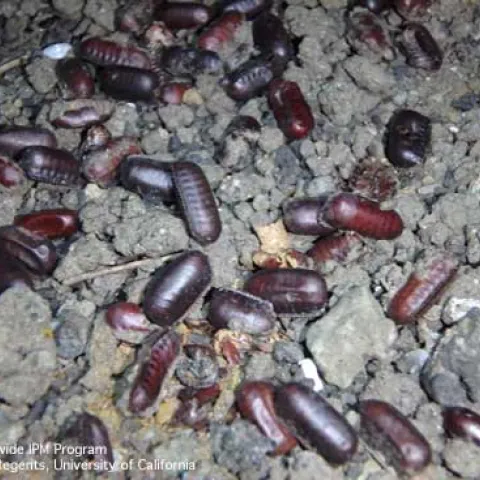
Oblong, dark brown insect egg cases.
Urban and Community IPM Capital Corridor: Page

MUH test

 Contracting   Importance of IPM  Importance of IPMContractingRecordkeepingPlans & PoliciesPest ResourcesOutreach to Residents 
View Page
UC Master Gardener Program of Contra Costa County: Page

FAQ

Don't see your question? ASK US! For lots more information, also check out our Sustainable Gardening, Home Landscaping, and Edible Gardening pages, along with Our Blog.
View Page
Event Primary Image
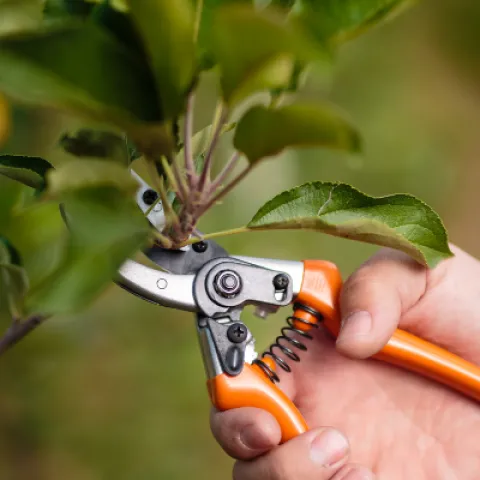
close up photo of a hand with hand pruners cutting a branch
UC Master Gardeners of Monterey & Santa Cruz Counties: Event

Late Fall Pruning of Perennials & Shrubs

Event Date
Dec 13, 2025

UC Master Gardeners and Cabrillo College Horticulture present their Home Gardener Days December session,  with Peter Quintanilla, Board Certified Master Pruner and landscape pruning instructor at Cabrillo College. Peter will explain the basic considerations of why, how, and which of your garden’s…
UC Master Gardeners of Monterey & Santa Cruz Counties
View Event
Primary Image
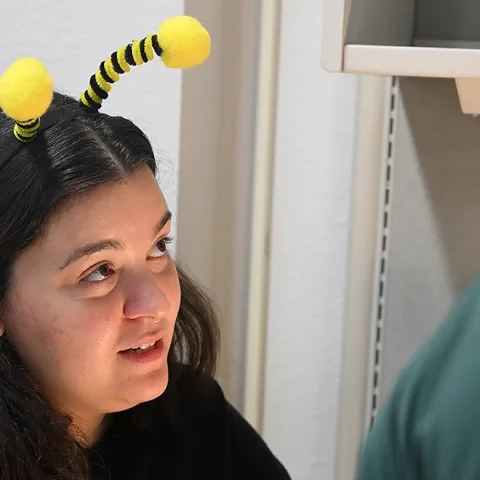
UC Davis doctoral candidate answering questions about bees at a recent Bohart Museum of Entomology open house. (Photo by Kathy Keatley Garvey)
Bug Squad: Article

Moths Can Mimic Bees, Too!

November 14, 2025
By Kathy Keatley Garvey
 Bee Mimics!Did you know that some moths mimic bees?When the Bohart Museum of Entomology hosts its free and family friendly open house from 1 to 4 p.m., Saturday, Nov. 15 on "The Bees and Their Mimics"--the program will be coordinated by UC Davis doctoral candidates Lexie Martin and Abigail Lehner--you…
View Article
ANR Contracts & Grants Updates: Article

William T. Grant Foundation and Allen Family Philanthropies Request for Proposals

November 14, 2025
By Kendra T Rose
William T. Grant Foundation – Two Funding OpportunitiesThe William T. Grant Foundation supports research that improves the lives of young people, with a focus on reducing inequality and strengthening the use of research evidence in policy and practice. Two funding opportunities are currently open, and…
View Article