A Natural Solution for California's Herds: African Catfish Peptides

California's cattle producers and agricultural communities are all too familiar with the rising challenge of antibiotic resistance, making common bacterial infections harder to treat in livestock. But imagine a future where we could tackle these infections with a natural, powerful alternative. Our research points to just that: antimicrobial peptides (AMPs) found in African catfish.

We're really excited about these peptides because African catfish thrive in pathogen-rich freshwater, naturally producing these robust immune compounds in their skin mucus as a defense. This natural origin makes them highly appealing alternatives to synthetic drugs.

Predicted Safety and Potent Action

One of the most compelling aspects of these AMPs is their predicted safety for mammals. Our initial computer analyses suggest that various catfish AMPs are generally recognized as safe (GRAS). We predict they'll be absorbed in the human intestine without causing liver, brain, or heart toxicity. Furthermore, lab tests on a promising peptide, NACAP-II, confirmed it was non-hemolytic, meaning it didn't damage rabbit red blood cells—a strong indicator of its potential safety for mammalian cells.

Beyond safety, these peptides demonstrate effectiveness against problematic bacteria. One study revealed NACAP-II's strong activity against Extended-Spectrum Beta-Lactamase (ESBL)-producing Escherichia coli—a critical concern for both animal and human health due to its resistance to many common antibiotics. Another peptide, ACAP-IV, also showed antibacterial activity against E. coli and Staphylococcus aureus. We believe these AMPs work by directly disrupting bacterial cell membranes, a mechanism that makes it harder for bacteria to develop resistance compared to how they resist traditional antibiotics.
Primary Image
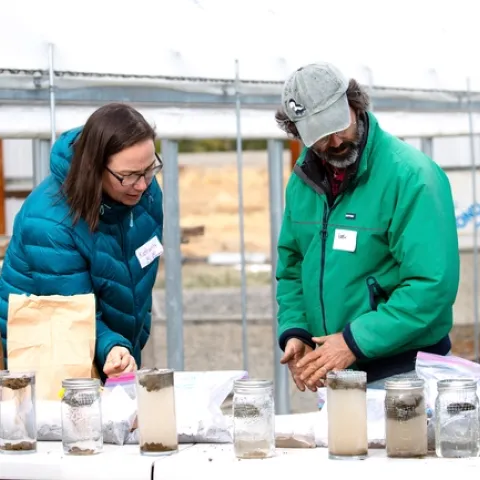
A woman in a puffy blue jacket and a bearded man in a green jacket look at slake test results in glass jars.

Preparing soil for winter can protect soil health

December 13, 2024
By Pamela S Kan-Rice
Farmers placed clumps of soil into metal mesh baskets, submerged the baskets into jars of water, then watched to see if their soil held together. The slake test, conducted at the Soil Health Field Day in Woodland, measured soil health.
View Article
Primary Image
UCCE logo

2025 SJC and Delta Field Crops Meeting

December 13, 2024
By Michelle M Leinfelder-Miles
UC Cooperative Extension will host the SJC and Delta Field Crops Meeting on Friday, January 24, 2025 from 8:00am to 12:00pm. The meeting location is the Cabral Agricultural Center in Stockton (2101 E. Earhart Ave., Stockton, CA 95206).
View Article
Primary Image
Adina Merenlender, profesora de Extensión Cooperativa y John Bailey, director del Hopland REC, observan una quema prescrita.
Blog Verde: Article

El buen fuego regresa al Centro Hopland de Investigación y Extensión

December 13, 2024
By Diana Cervantes
El fuego ha sido parte de la administracin indgena de tierras en California desde tiempos inmemorables. Estas prcticas contra incendios estuvieron profundamente conectadas a tradiciones culturales, formas de alimentacin, mejoramiento y resiliencia de paisajes.
View Article
Primary Image
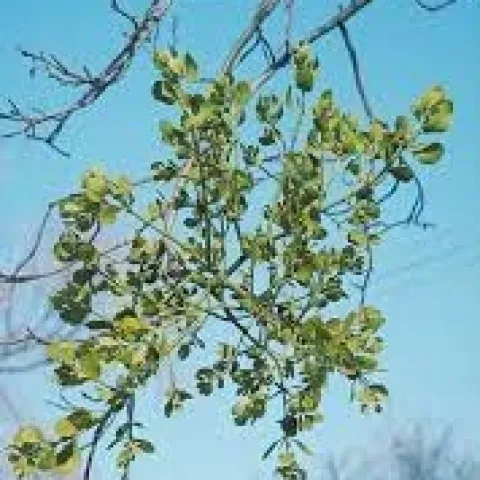
Mistletoe is easiest to see after tree leaves have fallen. Prune the branch with mistletoe a foot below the cluster to remove the parasite's roots. (Photo: UC IPM)
Fresno Gardening Green: Article

This week in the garden: Dec. 13 - 19

December 13, 2024
Tasks Remove fallen camellia blossoms promptly to prevent petal blight on next year's flowers. Mistletoe is very difficult to control because reinfestation occurs from nearby infected trees. An infected branch must be removed at its points of origin and at least 1 foot below the cluster.
View Article
Primary Image
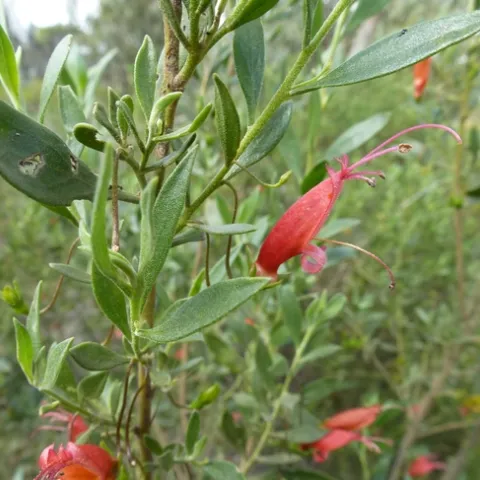
Emu bush. (Photo: Wikimedia Commons)
Fresno Gardening Green: Article

December plant of the month: Emu bush

December 13, 2024
Like so many Australian natives, emu bush (Eremophila glabra) is both heat and drought tolerant and a great plant for our area. Hummingbirds absolutely love it, and it's an excellent choice for any water wise garden, either in a mixed border or mass planted as a ground cover.
View Article
Primary Image
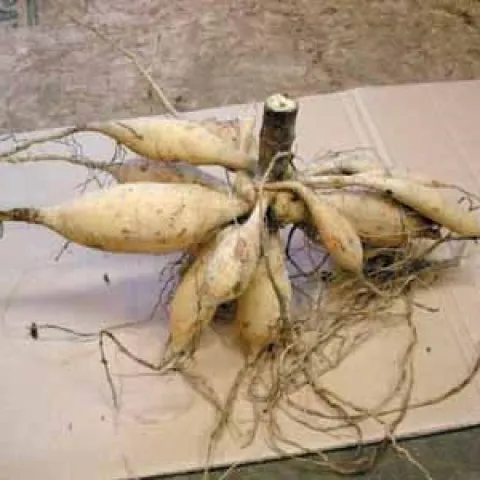
Dahlia Tubers
Spill the Beans: Article

Dahlia December

December 13, 2024
D is for Delightful Dahlias and for December. That should help you remember that if you are a dahlia devotee, the growing cycle of the dahlia is from December to December. What we do with our dahlias in December directly determines the direction dahlias will develop.
View Article
Primary Image
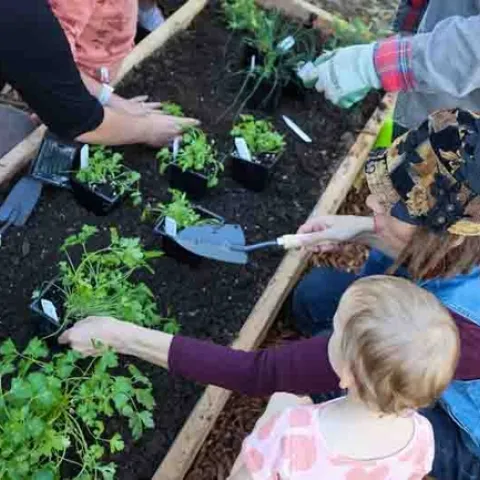
Young Children in the Garden event at Chapman Community Garden. Photo courtesty of CARD
The Real Dirt: Article

In the Neighborhood: The Chapman Park Community Garden

December 13, 2024
Tucked into one corner of the beautifully renovated Chapman Park is a small space destined to have a large impact: the Chapman Park Community Garden. Chapman Park sits on three acres adjacent to the Dorothy F. Johnson Center in the heart of the Chapman neighborhood.
View Article
Primary Image
A yellow-faced bumble bee, Bombus vosnesenskii, packing red pollen from a lupine last July at Bodega Bay. (Photo by Kathy Keatley Garvey)
Bug Squad: Article

Bumble Bee's Red Pollen: 'Tis the Season

December 12, 2024
By Kathy Keatley Garvey
Ever noticed that when yellow-faced bumble bees, Bombus vosnesenskii, forage in lupine that their pollen is red? Last July when we were camping at Bodega Bay, we delighted in watching the bumble bees foraging in the lupine.
View Article