A Natural Solution for California's Herds: African Catfish Peptides

California's cattle producers and agricultural communities are all too familiar with the rising challenge of antibiotic resistance, making common bacterial infections harder to treat in livestock. But imagine a future where we could tackle these infections with a natural, powerful alternative. Our research points to just that: antimicrobial peptides (AMPs) found in African catfish.

We're really excited about these peptides because African catfish thrive in pathogen-rich freshwater, naturally producing these robust immune compounds in their skin mucus as a defense. This natural origin makes them highly appealing alternatives to synthetic drugs.

Predicted Safety and Potent Action

One of the most compelling aspects of these AMPs is their predicted safety for mammals. Our initial computer analyses suggest that various catfish AMPs are generally recognized as safe (GRAS). We predict they'll be absorbed in the human intestine without causing liver, brain, or heart toxicity. Furthermore, lab tests on a promising peptide, NACAP-II, confirmed it was non-hemolytic, meaning it didn't damage rabbit red blood cells—a strong indicator of its potential safety for mammalian cells.

Beyond safety, these peptides demonstrate effectiveness against problematic bacteria. One study revealed NACAP-II's strong activity against Extended-Spectrum Beta-Lactamase (ESBL)-producing Escherichia coli—a critical concern for both animal and human health due to its resistance to many common antibiotics. Another peptide, ACAP-IV, also showed antibacterial activity against E. coli and Staphylococcus aureus. We believe these AMPs work by directly disrupting bacterial cell membranes, a mechanism that makes it harder for bacteria to develop resistance compared to how they resist traditional antibiotics.
Primary Image
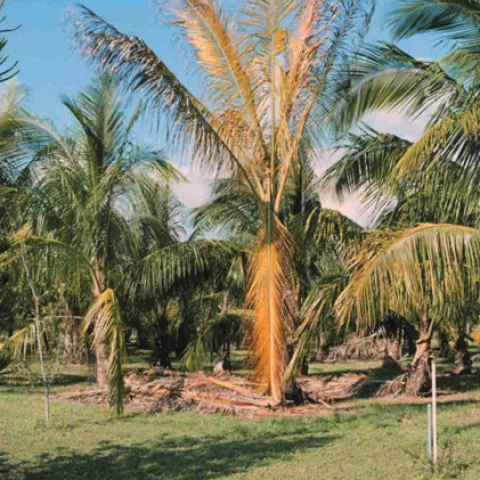
Phytoplasma disease palm

Phytoplasma Diseases in Palm?

July 22, 2024
By Ben A Faber
Phytoplasma Diseases of Palms in the USA Robert R Krueger1 and Brian W Bahder2 1USDA-ARS National Clonal Germplasm Repository for Citrus & Date, Riverside, CA 2Dept of Entomology & Nematology, University of Florida Fort Lauderdale Research & Education Center, Davie, FL Phytoplasmas are plant pathoge...
View Article
Primary Image
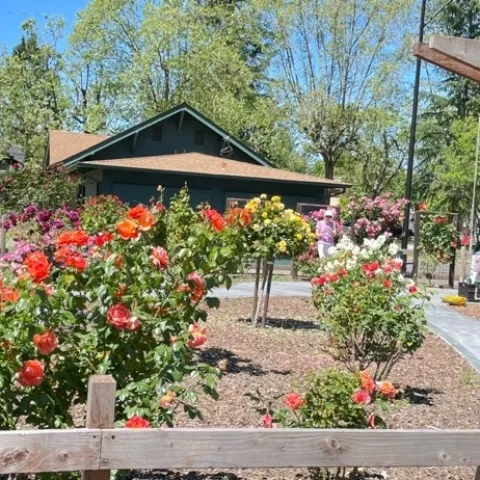
Fuller Park Rose Corral
Spill the Beans: Article

Rose Garden Corral - August 2024

July 22, 2024
August in the Master Gardener's Rose Cycle chart (https://napamg.ucanr.edu/files/254549.pdf) indicates we have a lot of deadheading to do on our 50 bushes. In addition, ideally we should add some fresh mulch around the trunk out to the drip line of the bush.
View Article

Get to know the Master Gardeners of Napa Valley

July 20, 2024
Napa County home gardeners are fortunate to have a variety of gardening resources at their fingertips. The UC Master Gardeners of Napa County website has a lot of helpful information if you know where to look. Check out the website at https://napamg.ucanr.
View Article
Primary Image
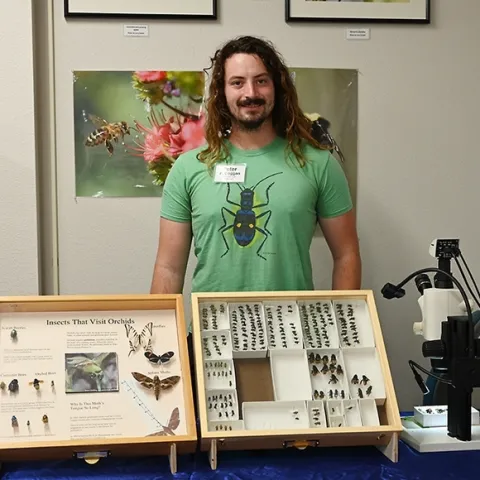
UC Davis doctoral student Peter Coggan (Photo by Kathy Keatley Garvey)
Bug Squad: Article

Don't Miss Bohart Museum Open House on Moths!

July 19, 2024
By Kathy Keatley Garvey
You won't want to miss the Bohart Museum of Entomology Moth Night on Saturday, July 20. So much to see and do, and so many moth experts will be on hand to answer your questions. It's all in keeping with National Moth Week.
View Article
Fresno County 4-H: Article

July/ August 2024 Newlsetter

July 19, 2024
In This Edition 2- Committee & Council Mtgs. 2- Happy New Year 2- Council Officers Needed 2- Enrollment 3- Volunteer Ldr, Workshop 3- Horse Achieve. Medalists 3- Horse Planning Meeting 4- 4-H Sheep & Goat Show 4- Record Book Judging 5- Officer Leadership Training 5- Rabbit Achieve.
View Article
Primary Image
Mature yellow nutsedge. (Photo: UC IPM)
Fresno Gardening Green: Article

Nutsedge - Yes, we hate it too!

July 19, 2024
Nutsedges are aggressive and persistent weeds that commonly infest lawns, vegetable and flower gardens and landscapes. These perennial sedges are a problem in lawns because they grow faster than turfgrasses and result in non-uniform turf.
View Article
Primary Image
Fire blight caused this pear blossom and terminal to suddenly wilt, blacken and die. Prune out infected growth. (Photo: UC IPM)
Fresno Gardening Green: Article

This week in the garden: July 19-25

July 19, 2024
Forget the guilt about what's going on outside. It's not your fault that it's hot! Tasks Check sprinklers and adjust timers weekly if necessary. Pre-irrigate to soften the ground for tilling in preparation for fall gardens.
View Article