A Natural Solution for California's Herds: African Catfish Peptides

California's cattle producers and agricultural communities are all too familiar with the rising challenge of antibiotic resistance, making common bacterial infections harder to treat in livestock. But imagine a future where we could tackle these infections with a natural, powerful alternative. Our research points to just that: antimicrobial peptides (AMPs) found in African catfish.

We're really excited about these peptides because African catfish thrive in pathogen-rich freshwater, naturally producing these robust immune compounds in their skin mucus as a defense. This natural origin makes them highly appealing alternatives to synthetic drugs.

Predicted Safety and Potent Action

One of the most compelling aspects of these AMPs is their predicted safety for mammals. Our initial computer analyses suggest that various catfish AMPs are generally recognized as safe (GRAS). We predict they'll be absorbed in the human intestine without causing liver, brain, or heart toxicity. Furthermore, lab tests on a promising peptide, NACAP-II, confirmed it was non-hemolytic, meaning it didn't damage rabbit red blood cells—a strong indicator of its potential safety for mammalian cells.

Beyond safety, these peptides demonstrate effectiveness against problematic bacteria. One study revealed NACAP-II's strong activity against Extended-Spectrum Beta-Lactamase (ESBL)-producing Escherichia coli—a critical concern for both animal and human health due to its resistance to many common antibiotics. Another peptide, ACAP-IV, also showed antibacterial activity against E. coli and Staphylococcus aureus. We believe these AMPs work by directly disrupting bacterial cell membranes, a mechanism that makes it harder for bacteria to develop resistance compared to how they resist traditional antibiotics.

UC Master Food Preserver: Article

All About Apples: Which are Best for Your Recipe? (November 2025)

October 31, 2025
By Travis R Alexander
Tim Long, UC Master Food Preserver Online Program Volunteer Red Delicious apples at the market (Photo caption: Tim Long, used with permission).  If you’re looking for a native apple tree, you’ll to be disappointed. Apples, other than three varieties of crabapples, aren’t native to the Americas…
View Article
UC Master Food Preserver: Article

Spotlight: Mary Nazara, Class of 2025 MFP Volunteer (November 2025)

October 31, 2025
By Travis R Alexander
Mary Nazara, UC Master Food Preserver Online Program VolunteerCounty of residence: Los Angeles Mary Nazara, used with permission.  I started preserving in the summer of 2022 after a phone call from my sister. She had a tree full of ripe plums and didn’t want them to go to waste. I already had…
View Article
Primary Image
Five people seated on stage
ANR Employee News: Article

UC ANR shares ideas at California Economic Summit

October 31, 2025
By Pamela S Kan-Rice
Several members of UC ANR participated in the California Economic Summit, Oct. 21-23 in Stockton, organized by CA FWD in collaboration with the California Stewardship Network.
View Article
Primary Image
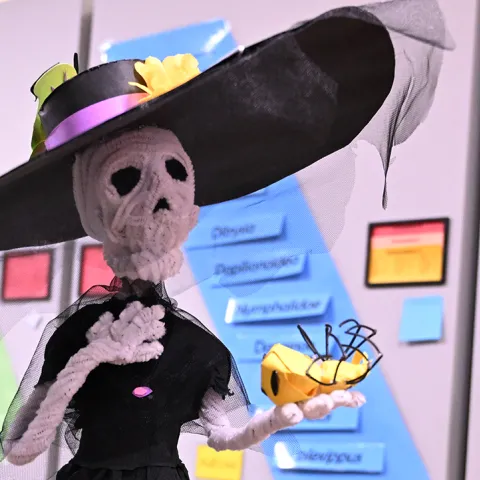
A witch at the Bohart Museum of Entomology's Halloween party.
Bug Squad: Article

Bohart Museum: Big on 'The Boo' and 'The Hiss'

October 31, 2025
By Kathy Keatley Garvey
 Boo! Hiss! Boo! A melodrama? No! A pre-Halloween party at the Bohart Museum of Entomology at the University of Caliornia, Davis. Witches boo, and Madagascar hissing cockroaches (from the Bohart Museum's petting zoo) hiss. If you're a member of the Bohart Museum Society, arm of the…
View Article
Primary Image
GOS path
Fresno Gardening Green: Article

This week in the garden: Oct. 31 to Nov. 6

October 31, 2025
By Jeannette Warnert
Shorter days mean less time in the garden; peruse gardening websites, magazines and seed catalogs instead.TasksStake newly planted trees in windy areas.Clean up debris to eliminate hiding places for pests. Or consider leaving fallen leaves and debris where they are, as many beneficial insects lay their eggs…
View Article