A Natural Solution for California's Herds: African Catfish Peptides

California's cattle producers and agricultural communities are all too familiar with the rising challenge of antibiotic resistance, making common bacterial infections harder to treat in livestock. But imagine a future where we could tackle these infections with a natural, powerful alternative. Our research points to just that: antimicrobial peptides (AMPs) found in African catfish.

We're really excited about these peptides because African catfish thrive in pathogen-rich freshwater, naturally producing these robust immune compounds in their skin mucus as a defense. This natural origin makes them highly appealing alternatives to synthetic drugs.

Predicted Safety and Potent Action

One of the most compelling aspects of these AMPs is their predicted safety for mammals. Our initial computer analyses suggest that various catfish AMPs are generally recognized as safe (GRAS). We predict they'll be absorbed in the human intestine without causing liver, brain, or heart toxicity. Furthermore, lab tests on a promising peptide, NACAP-II, confirmed it was non-hemolytic, meaning it didn't damage rabbit red blood cells—a strong indicator of its potential safety for mammalian cells.

Beyond safety, these peptides demonstrate effectiveness against problematic bacteria. One study revealed NACAP-II's strong activity against Extended-Spectrum Beta-Lactamase (ESBL)-producing Escherichia coli—a critical concern for both animal and human health due to its resistance to many common antibiotics. Another peptide, ACAP-IV, also showed antibacterial activity against E. coli and Staphylococcus aureus. We believe these AMPs work by directly disrupting bacterial cell membranes, a mechanism that makes it harder for bacteria to develop resistance compared to how they resist traditional antibiotics.
UCCE Master Gardeners of Stanislaus County: Event

Backyard Fruit Trees

Event Date
Nov 19, 2025

Think your garden is too small for fruit trees? Think again! Learn about the Fruit Bush Method, a way to keep fruit trees like apples, apricots, pears, plums, peaches, persimmons, nectarines, and cherries under 5 feet tall. Plus, get easy tips to keep your fruit trees healthy and productive.
UCCE Master Gardeners of Stanislaus County
View Event
Event Primary Image
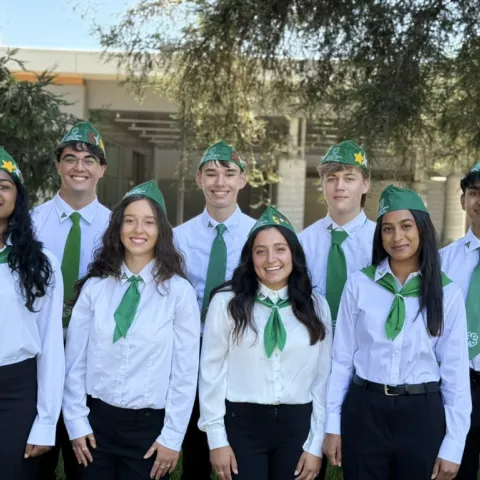
8 4-H youth in uniform
University of California 4-H Youth Development Program: Event

Adapting without Collapsing - Teen Leadership Essentials webinar

Event Date
Feb 18, 2026

What happens when things do not go as planned? Flexibility and resourcefulness is key. Learn how to develop your backup plan along the way, so you are ready in the event your plan has to change. 
University of California 4-H Youth Development Program
View Event
Primary Image
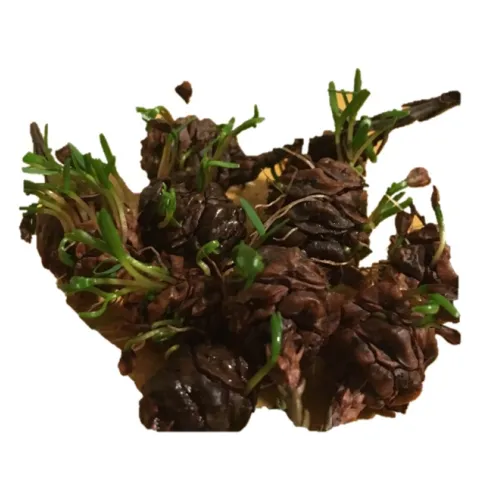
coast redwoods germinating from their cones
Santa Cruz Forests Update: Article

Sprouts vs. Seeds: How Coast Redwoods (Sequoia sempervirens) Regenerate After Fire

October 30, 2025
By Brian Woodward
In the postfire environment of a coast redwood (Sequoia sempervirens) forest, it’s easy to get lost in the sprouts. And it makes sense, coast redwood trees can sprout prolifically from their base after fire and other disturbances. This is called basal or clonal regeneration, and it is a nearly unique…
View Article
Primary Image
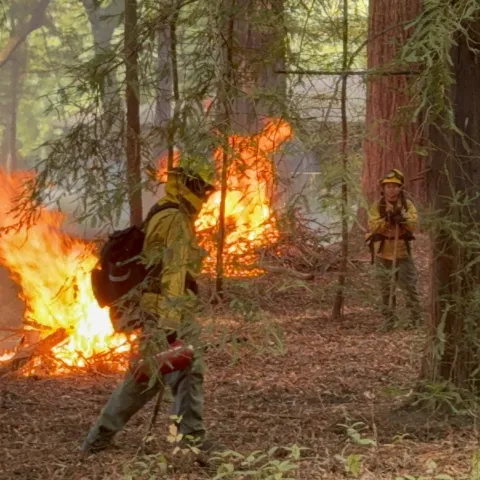
El buen fuego, una forma de reconciliarse con el fuego.
Blog Verde: Article

UC ANR impulsa la ciencia del ‘buen fuego’

October 30, 2025
By Diana Cervantes
 Los incendios ocurridos en Altadena y Pacific Palisades recordaron recientemente la magnitud y el impacto del fuego en el estado; por ello, en el corazón de los bosques de California, investigadores y especialistas de la División de Agricultura y Recursos Naturales de la Universidad de California (UC…
View Article
Tulare County Cooperative Extension: Page

Contact Us

How to Reach UsTulare County Cooperative Extension4437 S. Laspina StTulare, Ca 93274Phone Main: 559-684-3300Fax: 559-685-3319Email: uccooperativeextension@tularecounty.ca.gov Meet Our Team County Director  Leonel JimenezArea Director for Tulare, Kings, and Kern CountiesEmail:…
View Page
Primary Image
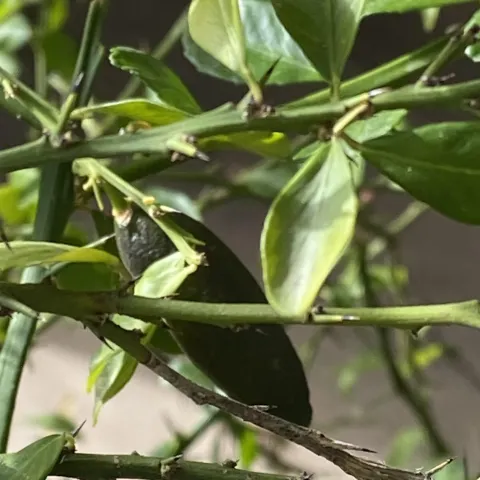
dark green finger lime on the tree
Under the Solano Sun: Article

Citrus Caviar

October 30, 2025
By Jennifer M Baumbach
Blog by Michelle SchlegelQuite a few years ago, at a local nursery, I stumbled across a Finger Lime tree. I hadn’t heard of these before, so of course, I had to buy it.Citrus australasica is the botanical name with common names of Finger Lime or Caviar Lime. This thorny, understory shrub or small tree is…
View Article
Nutrition Policy Institute News: Article

Nutrition Policy Institute researchers to present at the American Public Health Association’s 2025 Annual Meeting and Expo

October 30, 2025
By Brianna Aguayo Villalon, Danielle Lee
The American Public Health Association hosts an Annual Meeting and Expo, bringing together over 12,000 public health professionals from around the world to collaborate, share research findings, and expand the field. The event will take place in Washington, D.C., from November 2 to 5, 2025. This year’s…
View Article