A Natural Solution for California's Herds: African Catfish Peptides

California's cattle producers and agricultural communities are all too familiar with the rising challenge of antibiotic resistance, making common bacterial infections harder to treat in livestock. But imagine a future where we could tackle these infections with a natural, powerful alternative. Our research points to just that: antimicrobial peptides (AMPs) found in African catfish.

We're really excited about these peptides because African catfish thrive in pathogen-rich freshwater, naturally producing these robust immune compounds in their skin mucus as a defense. This natural origin makes them highly appealing alternatives to synthetic drugs.

Predicted Safety and Potent Action

One of the most compelling aspects of these AMPs is their predicted safety for mammals. Our initial computer analyses suggest that various catfish AMPs are generally recognized as safe (GRAS). We predict they'll be absorbed in the human intestine without causing liver, brain, or heart toxicity. Furthermore, lab tests on a promising peptide, NACAP-II, confirmed it was non-hemolytic, meaning it didn't damage rabbit red blood cells—a strong indicator of its potential safety for mammalian cells.

Beyond safety, these peptides demonstrate effectiveness against problematic bacteria. One study revealed NACAP-II's strong activity against Extended-Spectrum Beta-Lactamase (ESBL)-producing Escherichia coli—a critical concern for both animal and human health due to its resistance to many common antibiotics. Another peptide, ACAP-IV, also showed antibacterial activity against E. coli and Staphylococcus aureus. We believe these AMPs work by directly disrupting bacterial cell membranes, a mechanism that makes it harder for bacteria to develop resistance compared to how they resist traditional antibiotics.
UC Cooperative Extension Imperial County: Article

March 2024

March 5, 2024
Welcome Orgainic Ag Advances - Boosting Sustainability Root Leachate Treatment Increased Beneficial Nematodes and Improved Plant Growth - A Potential Organic Option For Growers In Low Desert Pesticide Safety Workshops Instructor Training Small Acreage Landowners Website - English - Flyer Sitio Web P...
View Article
Primary Image
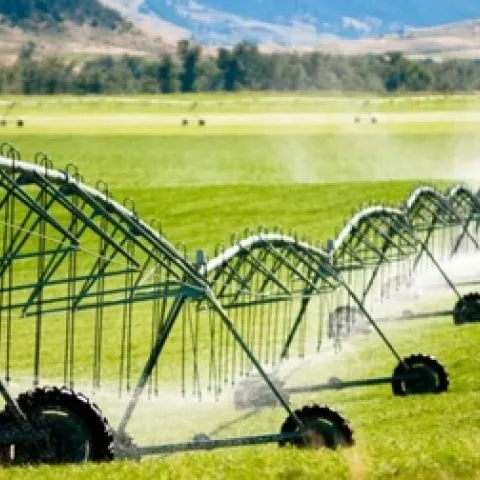
irr
San Diego County Climate Smart Agriculture: Article

All About SWEEP

March 5, 2024
By Michael Jaquez
The State Water Efficiency and Enhancement Program (SWEEP) is a grant funding opportunity offered by the California Department of Food and Agriculture (CDFA) and administered by the Office of Environmental Farming and Innovation (OEFI).
View Article
Primary Image
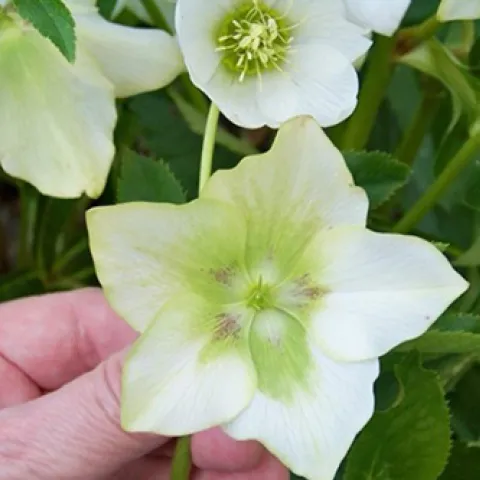
Lenten rose
UC Marin Master Gardeners: Article

Easy spring bloomers for your garden

March 5, 2024
Marin is awash with flowers in spring -- from native wildflowers on our hills and in our gardens to early-blooming bulbs to perennials that bloom all the way into summer...
View Article
Primary Image
Young raccoons exploring. Photo: Commons.wikimedia.org
UC Marin Master Gardeners: Article

Wanted: comfy home for baby raccoons

March 5, 2024
Spring is in the air daffodils, freesias, camelias, magnolias, and more are putting on quite a show. And our local wildlife is birthing babies...
View Article
Primary Image
Oak woodlands. Photo: William Suckow
UC Marin Master Gardeners: Article

How to care for soil

March 5, 2024
We take soil for granted, rarely paying attention to it and giving little, if any, credit for its generous gifts. Soil is a foundation for our livelihoods...
View Article
Colusa County: Article

Landscape Tree Workshop

March 5, 2024
Our landscape trees are so important to us! Learn about your trees at our Landscape Tree Workshop in Arbuckle. Saturday March 9 at 10 am Downtown Arbuckle See the flyer for details.
View Article
Primary Image
IMG 6204
San Diego County Climate Smart Agriculture: Article

Meet Michael: Community Education Specialist

March 5, 2024
By Michael Jaquez
Michael Jaquez is our newest Community Education Specialist with the Climate Smart Agriculture team at University of California Agriculture and Natural Resources.
View Article