A Natural Solution for California's Herds: African Catfish Peptides

California's cattle producers and agricultural communities are all too familiar with the rising challenge of antibiotic resistance, making common bacterial infections harder to treat in livestock. But imagine a future where we could tackle these infections with a natural, powerful alternative. Our research points to just that: antimicrobial peptides (AMPs) found in African catfish.

We're really excited about these peptides because African catfish thrive in pathogen-rich freshwater, naturally producing these robust immune compounds in their skin mucus as a defense. This natural origin makes them highly appealing alternatives to synthetic drugs.

Predicted Safety and Potent Action

One of the most compelling aspects of these AMPs is their predicted safety for mammals. Our initial computer analyses suggest that various catfish AMPs are generally recognized as safe (GRAS). We predict they'll be absorbed in the human intestine without causing liver, brain, or heart toxicity. Furthermore, lab tests on a promising peptide, NACAP-II, confirmed it was non-hemolytic, meaning it didn't damage rabbit red blood cells—a strong indicator of its potential safety for mammalian cells.

Beyond safety, these peptides demonstrate effectiveness against problematic bacteria. One study revealed NACAP-II's strong activity against Extended-Spectrum Beta-Lactamase (ESBL)-producing Escherichia coli—a critical concern for both animal and human health due to its resistance to many common antibiotics. Another peptide, ACAP-IV, also showed antibacterial activity against E. coli and Staphylococcus aureus. We believe these AMPs work by directly disrupting bacterial cell membranes, a mechanism that makes it harder for bacteria to develop resistance compared to how they resist traditional antibiotics.

Nutrition Policy Institute News: Article

Nutrition Policy Institute launches new logo as part of a UCANR rebrand

October 23, 2025
By Brianna Aguayo Villalon, Danielle Lee
The Nutrition Policy Institute is proud to officially launch its new logo as part of the University of California, Agriculture and Natural Resources organization-wide rebrand. This modern, unified design strengthens UC ANR’s identity across its programs and institutes. NPI’s new logo was designed to…
View Article
Primary Image
An ash tree over a street displaying fall color.
The Backyard Gardener: Article

A Popular Tree

October 23, 2025
By Dustin W Blakey
I think this is my favorite tree in Bishop: Every year this ash tree has the most amazing display. I stopped yesterday and took a picture. I'm not alone. Today while driving under it I noticed a photographer down the street getting a shot and another car slowing down to take a good look at this…
View Article
Livestock & Natural Resources Information Center - Plumas, Sierra & Butte Counties: Page

Rancher Roundtable - with the California Wolf Project at UC Berkeley - October 16, 2025

 OverviewUC Cooperative Extension hosted the Rancher Roundtable with the California Wolf Project at UC Berkeley on October 16, 2025 in Sierraville. This session featured Arthur Middleton and Kaggie Orrick with the California Wolf Project at UC Berkeley, for an evening with dinner, updates, and…
View Page
ANR CE Program Evaluation: Page

Evaluation Plans

UC ANR Training MaterialsStrong Evaluation Plans Training 2025Best Practices for Writing Strong Evaluation Plans for Grants Presentation Link to training recording video What Makes A Strong Evaluation in a Grant Proposal? Journal of Extension article in press
View Page
Event Primary Image
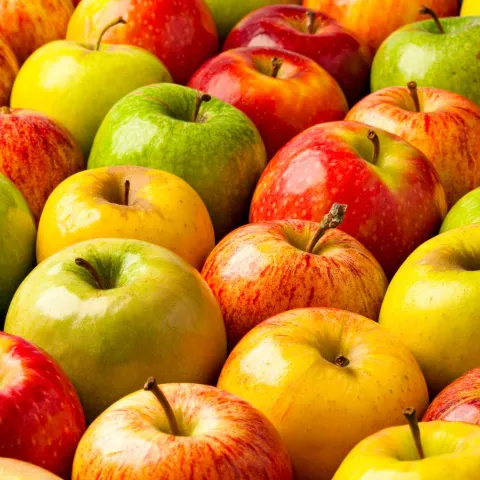
apples
UC Master Food Preserver Program of Orange County: Event

Farm & Food Lab: Fall Apple Harvest

Event Date
Oct 25, 2025

Come meet us in the garden at the Farm + Food Lab for a discussion of how to preserve Fall Apples.  Learn how to creatively preserve the wide variety of apples we grow in California.  Maybe give as housewarming or Christmas gifts!. Gain a few techniques to eliminate food waste and improve long term…
UC Master Food Preserver Program of Orange County
View Event
Primary Image
Foothill Penstemon in bloom.
The Savvy Sage: Article

Notes From My Garden - Caring For Natives in the Fall and Winter

October 22, 2025
By Deborah Cunningham
Article and photos by Joy Sakai -  Have you noticed that most native plant gardeners avoid deadheading during the summer and fall? That's because native bees are using the flowers for nectar and pollen, and birds feed on the seeds. For another thing, nobody wants to go out and garden in 100° plus…
View Article