A Natural Solution for California's Herds: African Catfish Peptides

California's cattle producers and agricultural communities are all too familiar with the rising challenge of antibiotic resistance, making common bacterial infections harder to treat in livestock. But imagine a future where we could tackle these infections with a natural, powerful alternative. Our research points to just that: antimicrobial peptides (AMPs) found in African catfish.

We're really excited about these peptides because African catfish thrive in pathogen-rich freshwater, naturally producing these robust immune compounds in their skin mucus as a defense. This natural origin makes them highly appealing alternatives to synthetic drugs.

Predicted Safety and Potent Action

One of the most compelling aspects of these AMPs is their predicted safety for mammals. Our initial computer analyses suggest that various catfish AMPs are generally recognized as safe (GRAS). We predict they'll be absorbed in the human intestine without causing liver, brain, or heart toxicity. Furthermore, lab tests on a promising peptide, NACAP-II, confirmed it was non-hemolytic, meaning it didn't damage rabbit red blood cells—a strong indicator of its potential safety for mammalian cells.

Beyond safety, these peptides demonstrate effectiveness against problematic bacteria. One study revealed NACAP-II's strong activity against Extended-Spectrum Beta-Lactamase (ESBL)-producing Escherichia coli—a critical concern for both animal and human health due to its resistance to many common antibiotics. Another peptide, ACAP-IV, also showed antibacterial activity against E. coli and Staphylococcus aureus. We believe these AMPs work by directly disrupting bacterial cell membranes, a mechanism that makes it harder for bacteria to develop resistance compared to how they resist traditional antibiotics.
Primary Image
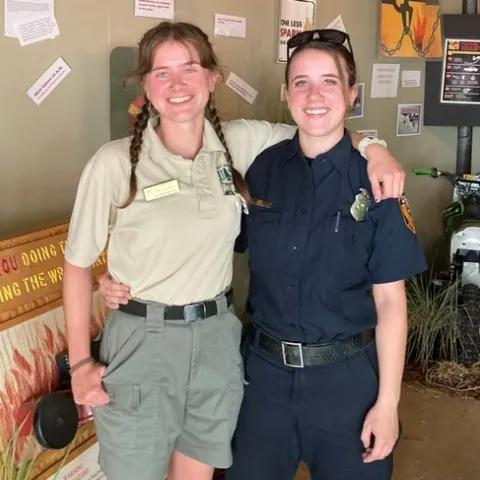
Emily Jackson, in a Forest Service uniform, stands next to her twin sister Lindsay, in her CAL FIRE uniform
Green Blog: Article

4-H youth project helps Siskiyou County prepare animals for emergencies

September 18, 2023
By Michael Hsu
With the McKinney Fire creeping closer to Yreka in the summer of 2022, Emily Jackson and her mother potentially faced the enormous task of getting all their goats, chickens, dogs and cats to safety while Emily's father and twin sister Lindsay were away fighting the fires.
View Article
Primary Image
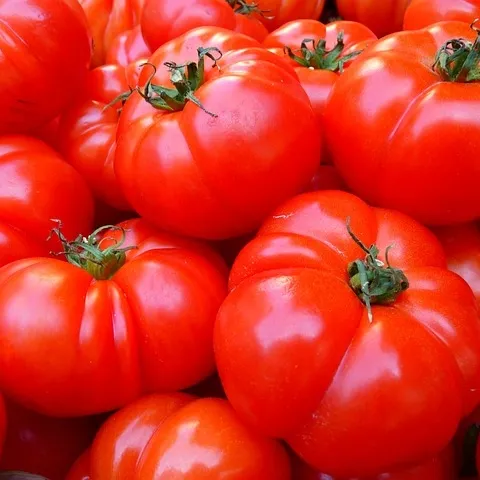
Perfectly ripe tomatoes for canning
Preservation Notes - San Joaquin Master Food Preservers: Article

Help Desk: Overripe Tomatoes

September 18, 2023
Question: Why is it not advised to use overripe tomatoes for home canning? Response: Using overripe tomatoes in home canning is not recommended for several important reasons, primarily related to safety and the quality of the canned product.
View Article
Primary Image
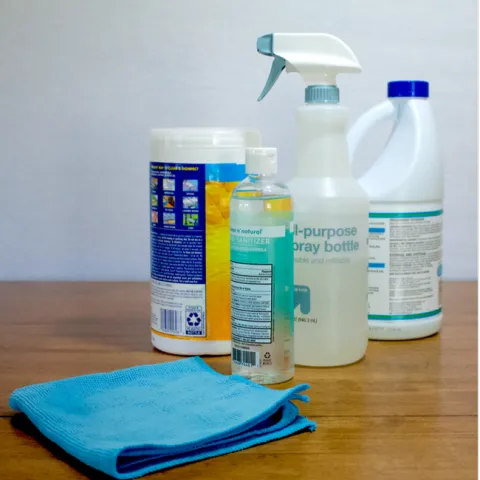
Several plastic bottles of cleaning solutions and a blue microfiber towel.

Disinfectants and Sterilizers: The Lesser-known Pesticides

September 18, 2023
By Lauren Fordyce
Did you know that disinfectants and sterilizers are pesticides? Any substance that claims to kill, destroy, prevent, or repel a pest, including germs, is considered a pesticide. So cleaning products that claim to sterilize or kill germs on surfaces or be effective against bacteria like E.
View Article
Primary Image
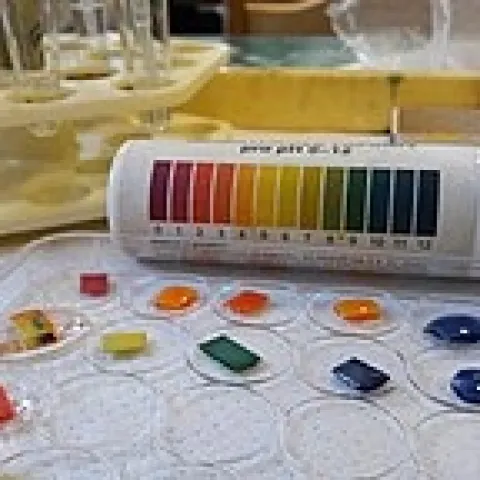
PH indicator paper with multiple colors
Preservation Notes - San Joaquin Master Food Preservers: Article

Help Desk Question: Home pH Testing

September 18, 2023
QUESTION: Is there any instrument that can be bought to measure the pH balance for home canning? What about a high quality litmus paper or a pH gauge?
View Article
Primary Image
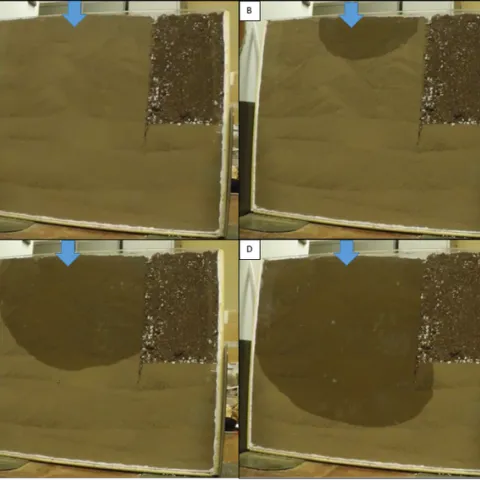
water movement all together
Topics in Subtropics: Article

Water, SGMA, GSP?

September 18, 2023
By Ben A Faber
To achieve groundwater sustainability under California's Sustainable Groundwater Management Act, or SGMA, demand management policies that encourage water conservation will be necessary, says Ellen Bruno, University of California Cooperative Extension specialist in quantitative policy analysis at U...
View Article
Primary Image
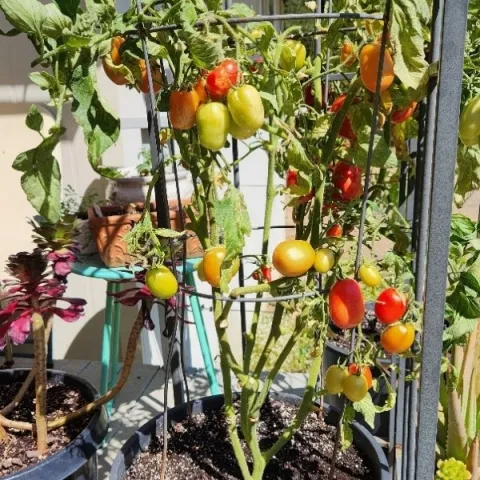
Inca Jewel September 14th after Pruning Dying Leaves
Spill the Beans: Article

Growing Tomatoes in Containers Trial Update

September 18, 2023
Summer is winding down and the produce from our gardens is starting to wane. I just cut down my Prairie Fire tomato that I had planted as part of our experiment with growing tomatoes in containers.
View Article
Primary Image
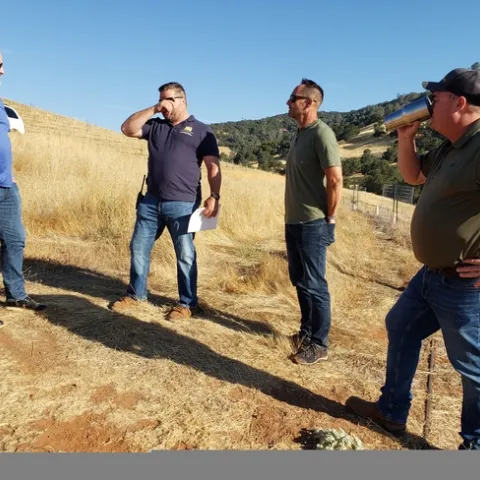
Four men standing on a hillside surrounded by dry grass.
ANR Adventures: Article

What an Amazing Organization!

September 18, 2023
By Brent Hales
Happy Monday all, I have had the pleasure of visiting numerous Research Extension Centers (South Coast, Hopland, Sierra Foothills, Intermountain, West Side, Lindcove, and Kearney). I have also visited UC Irvine, UC Davis, and UC Berkeley. I soon will visit UC Merced and UC Santa Cruz.
View Article
Primary Image
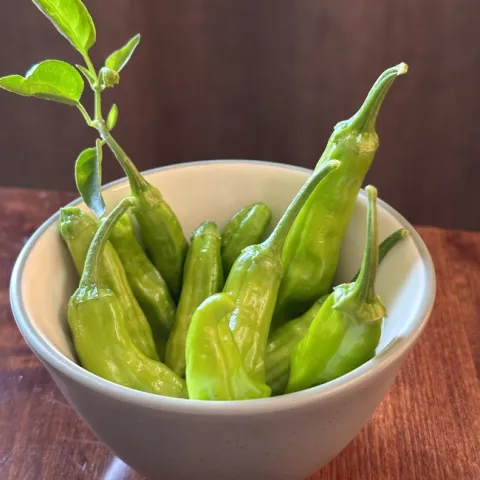
photos by Erin Mahaney
Under the Solano Sun: Article

Shishito Peppers

September 18, 2023
I've had fun experimenting with growing smaller pepper varieties such as jalapeos, padrons, cherry peppers, and Japanese shishito peppers.
View Article
Primary Image
westcoastseeds.com
Garden Notes: Article

Saving Seeds

September 17, 2023
One of the best things about being a gardener is the joy of seeing new plants sprout from seeds. With some planning and effort, gardeners can grow plants from seeds they've saved from their own gardens, adding another dimension to the gardening experience.
View Article
Primary Image
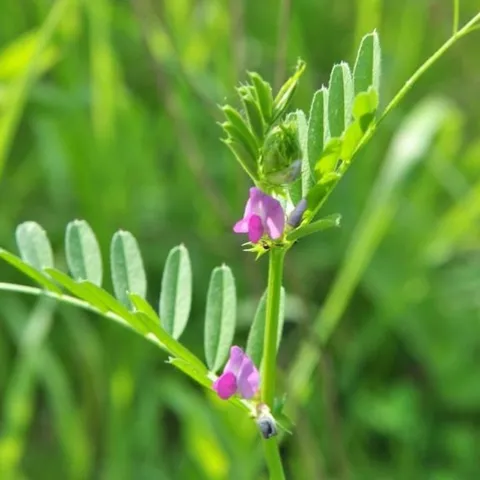
2023 Fall CoverCrops01
Garden Notes: Article

Using Cover Crops

September 17, 2023
Cover crops are crops that are put into the ground to enhance and renew the soil with nutrients and organic matter. It is used mainly in the spring and the fall, often to cover the soil rather than for a cash crop.
View Article