A Natural Solution for California's Herds: African Catfish Peptides

California's cattle producers and agricultural communities are all too familiar with the rising challenge of antibiotic resistance, making common bacterial infections harder to treat in livestock. But imagine a future where we could tackle these infections with a natural, powerful alternative. Our research points to just that: antimicrobial peptides (AMPs) found in African catfish.

We're really excited about these peptides because African catfish thrive in pathogen-rich freshwater, naturally producing these robust immune compounds in their skin mucus as a defense. This natural origin makes them highly appealing alternatives to synthetic drugs.

Predicted Safety and Potent Action

One of the most compelling aspects of these AMPs is their predicted safety for mammals. Our initial computer analyses suggest that various catfish AMPs are generally recognized as safe (GRAS). We predict they'll be absorbed in the human intestine without causing liver, brain, or heart toxicity. Furthermore, lab tests on a promising peptide, NACAP-II, confirmed it was non-hemolytic, meaning it didn't damage rabbit red blood cells—a strong indicator of its potential safety for mammalian cells.

Beyond safety, these peptides demonstrate effectiveness against problematic bacteria. One study revealed NACAP-II's strong activity against Extended-Spectrum Beta-Lactamase (ESBL)-producing Escherichia coli—a critical concern for both animal and human health due to its resistance to many common antibiotics. Another peptide, ACAP-IV, also showed antibacterial activity against E. coli and Staphylococcus aureus. We believe these AMPs work by directly disrupting bacterial cell membranes, a mechanism that makes it harder for bacteria to develop resistance compared to how they resist traditional antibiotics.
Primary Image
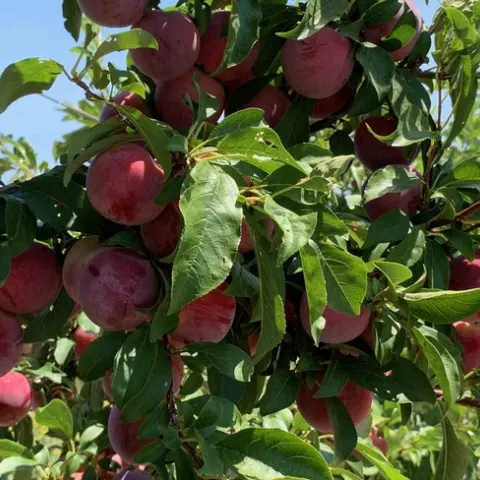
e pluots ready to pick. Laura Kling
The Real Dirt: Article

Pluots for the Home Orchard

July 28, 2023
A great choice for the home orchard is the Pluot, a plum-apricot hybrid. Pluots (pronounced plew-otts) are like plums in flavor and texture, but are sweeter and less acidic. Many pluot varieties are actually sweeter than either parent. Pluots vary in color.
View Article
Primary Image
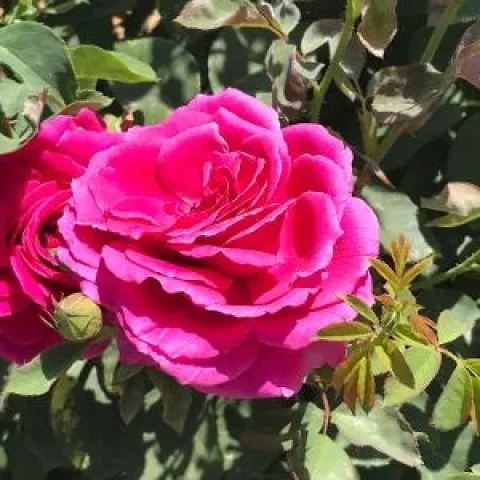
Miranda Lambert, Peace Rose Garden. photos by Karen Metz
Under the Solano Sun: Article

Unexpected Gifts

July 28, 2023
In early spring, I had admired the camellia forest at the State Capitol Park in Sacramento. While there I saw a sign pointing towards a Rose Garden, but we were pressed for time. I vowed to come back and explore at a later date. In June, I was in Sacramento for a conference.
View Article
Primary Image
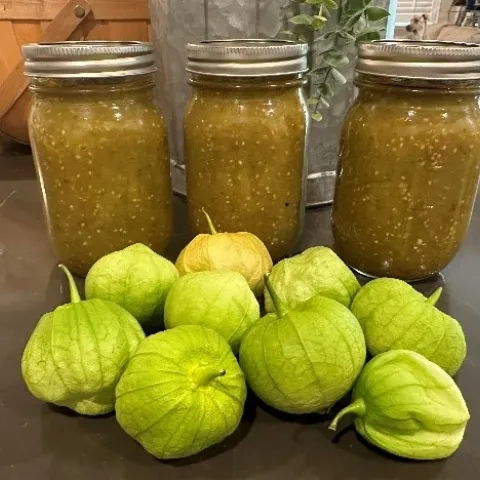
Tomatillo Salsa
Preservation Notes - San Joaquin Master Food Preservers: Article

Sassy Tomatillos: Unleashing the Tangy Tomatillo Salsa

July 27, 2023
I found a particular delight in tomatillos in my journey of cultivating a sustainable lifestyle through gardening and home food preserving. These vibrant green gems have become a favorite among the many fruits and vegetables I grow and preserve.
View Article
Primary Image
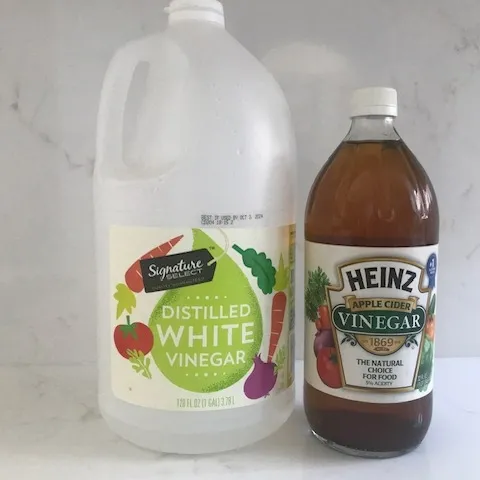
VinegarBottles
Preservation Notes - San Joaquin Master Food Preservers: Article

Don't Get Yourself in a Pickle When Buying Vinegar

July 27, 2023
We all want to make tasty and safe home-canned foods. Read the label to be sure and use only vinegar with a 5% acidity level for canning purposes. Sometimes the label indicates 50 grain, which means it has 5% acidity. Read the label on the vinegar bottle and make sure the label indicates 5%.
View Article
Primary Image
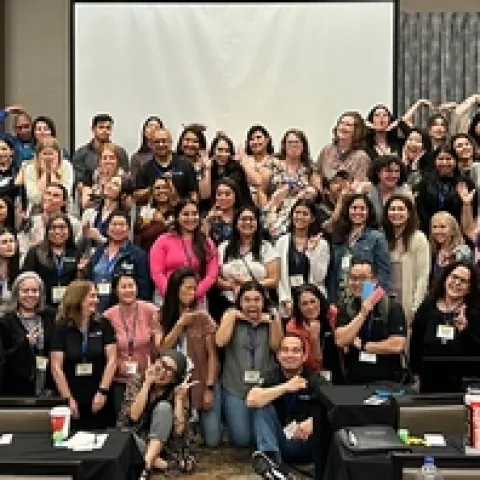
About 100 members of the Community Nutrition and Health network ham it up for a group photo in a conference room.
ANR Employee News: Article

NFCS renamed Community Nutrition and Health

July 27, 2023
By Pamela S Kan-Rice
For decades, Cooperative Extension across the country has frequently used the name Nutrition Family and Consumer Sciences to refer to locally driven efforts that strengthen our public health in concert with the federally funded nutrition education programs that support individuals to make healthier...
View Article
Nutrition Policy Institute News: Article

NPI is seeking a part-time 2023-2024 University of California Global Food Initiative graduate student research fellow

July 27, 2023
By Danielle Lee
The Nutrition Policy Institute at the University of California Agriculture and Natural Resources is seeking a part-time graduate student fellow to support a research project studying how K-12 schools transitioning to scratch cooking and using reusable serviceware can impact students' dietary intake...
View Article
Article

UC ANR website update

July 27, 2023
By Pamela S Kan-Rice
Current status: All UC ANR websites that have been updated in 2023 have been restored. The main website has also stabilized and has been consistently up for more than 48 hours. The team has been working to resolve issues and errors quickly.
View Article