A Natural Solution for California's Herds: African Catfish Peptides

California's cattle producers and agricultural communities are all too familiar with the rising challenge of antibiotic resistance, making common bacterial infections harder to treat in livestock. But imagine a future where we could tackle these infections with a natural, powerful alternative. Our research points to just that: antimicrobial peptides (AMPs) found in African catfish.

We're really excited about these peptides because African catfish thrive in pathogen-rich freshwater, naturally producing these robust immune compounds in their skin mucus as a defense. This natural origin makes them highly appealing alternatives to synthetic drugs.

Predicted Safety and Potent Action

One of the most compelling aspects of these AMPs is their predicted safety for mammals. Our initial computer analyses suggest that various catfish AMPs are generally recognized as safe (GRAS). We predict they'll be absorbed in the human intestine without causing liver, brain, or heart toxicity. Furthermore, lab tests on a promising peptide, NACAP-II, confirmed it was non-hemolytic, meaning it didn't damage rabbit red blood cells—a strong indicator of its potential safety for mammalian cells.

Beyond safety, these peptides demonstrate effectiveness against problematic bacteria. One study revealed NACAP-II's strong activity against Extended-Spectrum Beta-Lactamase (ESBL)-producing Escherichia coli—a critical concern for both animal and human health due to its resistance to many common antibiotics. Another peptide, ACAP-IV, also showed antibacterial activity against E. coli and Staphylococcus aureus. We believe these AMPs work by directly disrupting bacterial cell membranes, a mechanism that makes it harder for bacteria to develop resistance compared to how they resist traditional antibiotics.
Primary Image
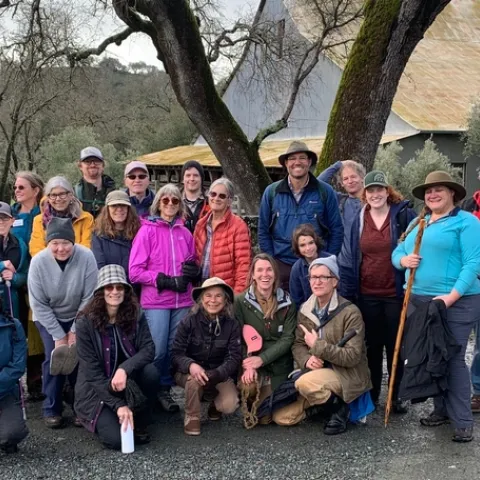
A group of volunteers pose for a photo in a garden
Green Blog: Article

UC Climate Steward: ‘It’s the most fulfilling work’

April 21, 2023
By Michael Hsu
Growing up in Butte County, Rose Brazil-Few has watched climate change devastate communities and ecosystems in the form of severe drought and deadly wildfire, including the 2018 Camp Fire that swept through Paradise.
View Article
Primary Image
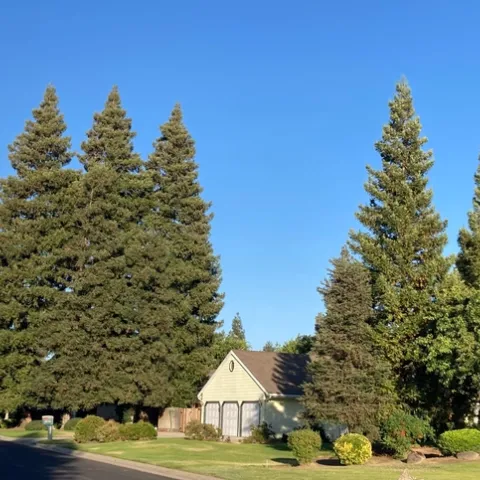
View of Lone Bobcat Woods during a Forest Stewardship Placer-Nevada County field day. Photo credit: Kim Ingram.
Green Blog: Article

Top 10 tools for new forest landowners

April 21, 2023
By Grace N Dean
Earth Day 2023 celebrates the ways in which we can all invest in our planet, and forest landowners play a considerable role in this. Part of being a forest landowner is deciding where and when to invest your time, money and energy.
View Article
Primary Image
Hand holding pruners snips a stem from a bright green plant.
The Stanislaus Sprout: Article

May 2023 Library Classes - Plant Propagation

April 21, 2023
By Anne E Schellman
If you've always wanted to learn how to propagate or multiply your plants, here is your chance! Plant propagation allows you to share your plants with friends and family. This class will focus on how and when to take vegetative stem cuttings and what plants you can divide.
View Article
Primary Image
citrus bins
Topics in Subtropics: Article

Irrigation Stress and Early Navel Orange Fruit Maturity

April 21, 2023
By Ben A Faber
To maximize profits in the early navel orange market, growers need to have large fruit size and sufficient yellow-orange color and a high enough sugar-acid ratio to meet or exceed the legal minimum harvesting standards.
View Article
Primary Image
Green Darner Dragonfly pauses on eggplant. Laura Lukes
The Real Dirt: Article

Dragonflies

April 21, 2023
How many insects can boast their own international organization? That is the case for dragonflies and damselflies, both members of the order Odonata (meaning toothed the dragonfly has serrated mandibles).
View Article