A Natural Solution for California's Herds: African Catfish Peptides

California's cattle producers and agricultural communities are all too familiar with the rising challenge of antibiotic resistance, making common bacterial infections harder to treat in livestock. But imagine a future where we could tackle these infections with a natural, powerful alternative. Our research points to just that: antimicrobial peptides (AMPs) found in African catfish.

We're really excited about these peptides because African catfish thrive in pathogen-rich freshwater, naturally producing these robust immune compounds in their skin mucus as a defense. This natural origin makes them highly appealing alternatives to synthetic drugs.

Predicted Safety and Potent Action

One of the most compelling aspects of these AMPs is their predicted safety for mammals. Our initial computer analyses suggest that various catfish AMPs are generally recognized as safe (GRAS). We predict they'll be absorbed in the human intestine without causing liver, brain, or heart toxicity. Furthermore, lab tests on a promising peptide, NACAP-II, confirmed it was non-hemolytic, meaning it didn't damage rabbit red blood cells—a strong indicator of its potential safety for mammalian cells.

Beyond safety, these peptides demonstrate effectiveness against problematic bacteria. One study revealed NACAP-II's strong activity against Extended-Spectrum Beta-Lactamase (ESBL)-producing Escherichia coli—a critical concern for both animal and human health due to its resistance to many common antibiotics. Another peptide, ACAP-IV, also showed antibacterial activity against E. coli and Staphylococcus aureus. We believe these AMPs work by directly disrupting bacterial cell membranes, a mechanism that makes it harder for bacteria to develop resistance compared to how they resist traditional antibiotics.
Primary Image
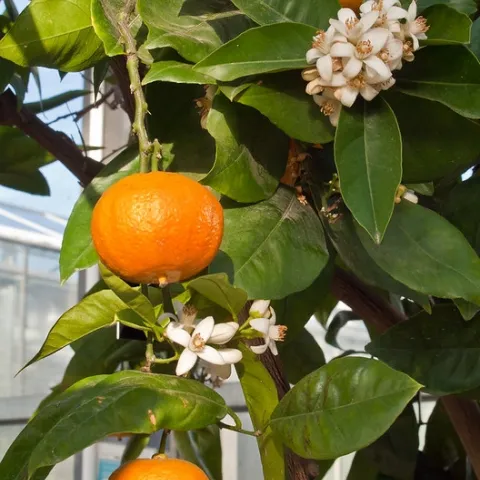
A Citrus Fruit Display. Courtesy of UCANR
UC Master Gardener Program of Contra Costa County: Article

Growing Citrus in Pots

January 11, 2023
Are you shocked at the prices of oranges and lemons at the grocery store? Do you know that you can grow your own oranges and lemons in a patio container for just the cost of water, fertilizer, and time? Citrus trees are an attractive and rewarding addition to any patio garden.
View Article
UC Master Gardener Program of Contra Costa County: Article

Are You Safe in your Garden?

January 11, 2023
Safe practices in the garden have always been a key focus of the UC Master Gardener Program. Preventing serious injuries to our volunteers involves many hours of training, tool sharpening, and using equipment properly.
View Article
Primary Image
Covered tomato plant courtesy of Ruth McGee
UC Master Gardener Program of Contra Costa County: Article

Winter Tasks. Time to Bundle Up!

January 11, 2023
There are plenty of winter tasks This Season in the Garden and our Helpdesk regularly writes very timely blog posts which you can also access via our website. Just in! from UCANR Statewide: How to Care for Flood and Water-Damaged Plants.
View Article
Primary Image
The burying beetle is known for burying carcasses of small vertebrates, such as mice, squirrels and birds, and using them as a food source for its larvae. (Photo courtesy of Wikipedia)
Bug Squad: Article

'Beetle Mania' at the Bohart Museum of Entomology on Jan. 22

January 11, 2023
By Kathy Keatley Garvey
There's "Beatlemania" and then there's "Beetle Mania." One involved the fanaticism directed at the English rock band, The Beatles. The other? It's taking place Sunday, Jan. 22 at the Bohart Museum of Entomology at the University of California, Davis.
View Article
Primary Image
Credit: Steve Garner, Flikr.
Pests in the Urban Landscape: Article

Wet Weather Dos and Don'ts

January 11, 2023
By Lauren Fordyce
An immense amount of rain has fallen across California in recent weeks. While rain is incredibly beneficial, in excess it can cause serious problems. The continued wet conditions opens the door for many pests, so see the list of dos and don'ts below for common wet weather pest prevention tips.
View Article
Primary Image
crape myrtle flowers by Chickens in the Trees (vns2009) is licensed under CC BY-NC-ND 2.0.
Under the Solano Sun: Article

A Pleasant Surprise!

January 11, 2023
When I moved into my new house, one year ago this February, I had no idea that we had a crape myrtle on the property! When I first moved to Suisun, I discovered that the larger streets are lined with this flowering tree.
View Article
Primary Image
This is a burying beetle, Nicrophorus germanicus. It buries the carcasses of small vertebrae and uses them as a food source for its larva. (Photo courtesy of Wikipedia)

Beetles! Bohart Museum Open House Set Sunday, Jan. 22

January 11, 2023
By Kathy Keatley Garvey
Beetles! And with an exclamation point! That's the theme of the Bohart Museum of Entomology open house, set from 1 to 4 p.m., Sunday, Jan. 22 in Room 1124 of the Academic Surge Building, 455 Crocker Lane, UC Davis campus. It's free, family friendly and open to the public.
View Article
Primary Image
Phot0 4320
UC Master Gardeners- Diggin' it in SLO: Article

Preserving Proteins

January 11, 2023
Preserving Proteins By Dayna Ravalin UCCE Master Food Preserver Program Do you enjoy fishing, hunting game, or stocking up on a bargain at the grocery store? Knowing how to safely preserve proteins can save you time, reduce food waste, and help you prepare a healthy meal in a short amount of time.
View Article