A Natural Solution for California's Herds: African Catfish Peptides

California's cattle producers and agricultural communities are all too familiar with the rising challenge of antibiotic resistance, making common bacterial infections harder to treat in livestock. But imagine a future where we could tackle these infections with a natural, powerful alternative. Our research points to just that: antimicrobial peptides (AMPs) found in African catfish.

We're really excited about these peptides because African catfish thrive in pathogen-rich freshwater, naturally producing these robust immune compounds in their skin mucus as a defense. This natural origin makes them highly appealing alternatives to synthetic drugs.

Predicted Safety and Potent Action

One of the most compelling aspects of these AMPs is their predicted safety for mammals. Our initial computer analyses suggest that various catfish AMPs are generally recognized as safe (GRAS). We predict they'll be absorbed in the human intestine without causing liver, brain, or heart toxicity. Furthermore, lab tests on a promising peptide, NACAP-II, confirmed it was non-hemolytic, meaning it didn't damage rabbit red blood cells—a strong indicator of its potential safety for mammalian cells.

Beyond safety, these peptides demonstrate effectiveness against problematic bacteria. One study revealed NACAP-II's strong activity against Extended-Spectrum Beta-Lactamase (ESBL)-producing Escherichia coli—a critical concern for both animal and human health due to its resistance to many common antibiotics. Another peptide, ACAP-IV, also showed antibacterial activity against E. coli and Staphylococcus aureus. We believe these AMPs work by directly disrupting bacterial cell membranes, a mechanism that makes it harder for bacteria to develop resistance compared to how they resist traditional antibiotics.
Primary Image
Open enrollment-banner-2023
ANR Employee News: Article

Choose Open Enrollment benefits by Nov. 18

October 27, 2022
By Pamela S Kan-Rice
UC's Open Enrollment for 2023 benefits ends on Friday, Nov. 18, 2022, at 5 p.m. UC will continue to offer the same benefit plans as this year for faculty and staff.
View Article
Primary Image
GT logo
ANR Employee News: Article

Participate in GivingTuesday on Nov. 29

October 27, 2022
By Pamela S Kan-Rice
GivingTuesday is a global day of giving that harnesses the collective power of individuals to celebrate generosity worldwide. It falls on the Tuesday after Thanksgiving. If you would like to participate in the campaign for donations for your project or program on Nov.
View Article
Primary Image
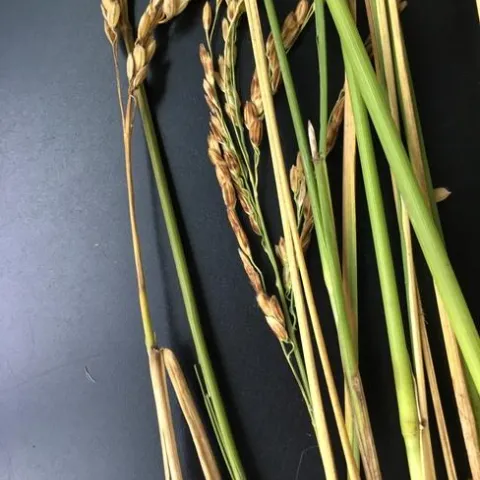
Eduardo Blumwald, a la derecha, del Departamento de Botánica de UC Davis, con el investigador de postdoctorado, Akhilesh Yadah, con el arroz que ellos y otros del equipo de Blumwald modificaron con el fin de usar el nitrógeno de manera más eficiente. Fotografía por Trina Kleist, UC Davis.
Blog de Alimentos: Article

Producen cultivos de cereal con menos fertilizantes

October 27, 2022
By Basilisa M Rawleigh
Investigadores de la Universidad de California en Davis han encontrado una forma de reducir la cantidad de fertilizantes de nitrgeno que se requiere en la produccin de los cultivos de cereal.
View Article
Santa Cruz County: Article

Dairy Cattle Clinic

October 27, 2022
Dear 4-H Families, Attached is a flyer with information for a dairy cattle show clinic we will be hosting here in Monterey County. The clinic is open to anyone who shows dairy cattle as well as anyone who may be interested in what goes into the showing and daily care of dairy cattle.
View Article
Primary Image
Fig 4
Salinas Valley Agriculture: Article

Infections of INSV on Spinach and Celery

October 27, 2022
By Yu-Chen Wang
Impatiens necrotic spot virus (INSV) is a tospovirus spreading primarily by an insect vector, the western flower thrip. INSV is similar to other tospoviruses, including Tomato spotted wilt virus (TSWV), Groundnut ring spot virus (GRSV), and Tomato chlorotic spot virus (TCSV).
View Article
ANR Employee News: Article

SAREP calls for proposals

October 27, 2022
By Pamela S Kan-Rice
UC Sustainable Agriculture Research and Education Program (UC SAREP) has released the request for proposals for the 2023-24 UC SAREP Small Grants Program.
View Article
Primary Image
Dried flowers and plants to decorate your wreath. photos by Betty Victor
Under the Solano Sun: Article

It's Coming!

October 27, 2022
With our temperatures still in the above normal and the calendar saying it is fall, it's also the time of the year that the Master Gardeners ready their gardens for winter. It is also the time when the Master Gardeners prepare for our Annual Wreath Workshop.
View Article
Article

Open Enrollment begins Thursday, Oct. 27

October 27, 2022
By Pamela S Kan-Rice
UC's Open Enrollment for 2023 benefits begins on Thursday, Oct. 27, at 8 a.m., and ends on Friday, Nov. 18, at 5 p.m. UC will continue to offer the same benefit plans as this year for faculty and staff.
View Article