A Natural Solution for California's Herds: African Catfish Peptides

California's cattle producers and agricultural communities are all too familiar with the rising challenge of antibiotic resistance, making common bacterial infections harder to treat in livestock. But imagine a future where we could tackle these infections with a natural, powerful alternative. Our research points to just that: antimicrobial peptides (AMPs) found in African catfish.

We're really excited about these peptides because African catfish thrive in pathogen-rich freshwater, naturally producing these robust immune compounds in their skin mucus as a defense. This natural origin makes them highly appealing alternatives to synthetic drugs.

Predicted Safety and Potent Action

One of the most compelling aspects of these AMPs is their predicted safety for mammals. Our initial computer analyses suggest that various catfish AMPs are generally recognized as safe (GRAS). We predict they'll be absorbed in the human intestine without causing liver, brain, or heart toxicity. Furthermore, lab tests on a promising peptide, NACAP-II, confirmed it was non-hemolytic, meaning it didn't damage rabbit red blood cells—a strong indicator of its potential safety for mammalian cells.

Beyond safety, these peptides demonstrate effectiveness against problematic bacteria. One study revealed NACAP-II's strong activity against Extended-Spectrum Beta-Lactamase (ESBL)-producing Escherichia coli—a critical concern for both animal and human health due to its resistance to many common antibiotics. Another peptide, ACAP-IV, also showed antibacterial activity against E. coli and Staphylococcus aureus. We believe these AMPs work by directly disrupting bacterial cell membranes, a mechanism that makes it harder for bacteria to develop resistance compared to how they resist traditional antibiotics.
Primary Image
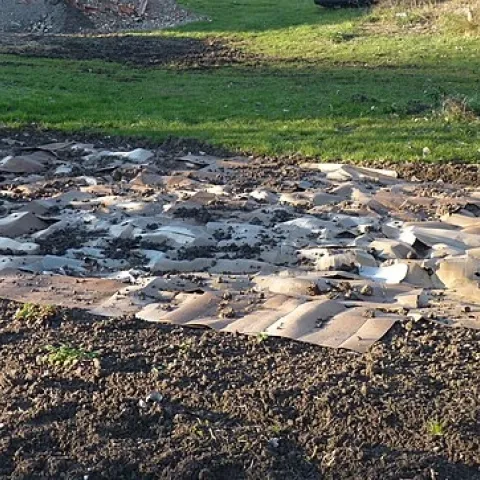
infra-red sensonr for ants
Topics in Subtropics: Article

Synergizing Argentine Ant Control

October 14, 2022
By Ben A Faber
Synergizing IPM of Argentine ant and biocontrol of sap sucking pests with biodegradable hydrogels, infra-red sensors, and cover crops in commercial citrus orchards Ivan Milosavljevi?, Department of Entomology, University of California, Riverside, CA Nicola A.
View Article
Primary Image
Mother Orange Historial Marker, Cindy Weiner
The Real Dirt: Article

California Citrus and The Mother Orange Tree

October 14, 2022
Although California has a long history of the commercial growing of oranges and other citrus, citrus trees are not native to California. Citrus is native to South and East Asia, Melanesia and Australia.
View Article
Livestock, Range and Natural Resources: Article

Fall 2022

October 13, 2022
In this issue: * Free online Stockmanship and Stewardship event, November 1 * Beef cattle health focus: -Neospora in cattle -Cattle health info sheets * Killer oak trees...
View Article
Primary Image
The Seed Pile Project.
Entomology & Nematology News: Article

UC Davis Faculty Collaborating with Miridae Living Labs in Seed Pile Project

October 13, 2022
By Kathy Keatley Garvey
Two members of the UC Davis Department of Entomology and Nematology faculty are collaborating with UC Davis doctoral alumnus Billy Krimmel, ecologist and founder of Miridae Living Labs, West Sacramento, for the 2022-23 Seed Pile Project, a citizen scientist project aimed at a better understanding of...
View Article
Primary Image
A honey bee foraging on a California golden poppy, the state flower. (Photo by Kathy Keatley Garvey)
Bug Squad: Article

Citizen Scientists Invited to Join the Seed Pile Project

October 13, 2022
By Kathy Keatley Garvey
Want to join the 2022-23 Seed Pile Project, a community science initiative by Miridae Living Labs of West Sacramento and UC Davis faculty that aims to better understand the dynamics of native plant seed dispersal in human-dominated landscapes?
View Article
Article

Business Operations: Customer Satisfaction Survey update

October 13, 2022
By Michael Hsu
UC Agriculture and Natural Resources' administrative and support services units strive to provide customer service excellence with delivery of essential operational guidance and services to academic and staff employees throughout the organization, in support of UC ANR programs and activities.
View Article
Primary Image
Bright orange and black monarch butterfly hatched out of its clear chrysalis, next to an jewel toned green and gold chrysalis that has not hatched.
The Stanislaus Sprout: Article

Free Monarch Butterfly Workshop Saturday, Oct 15!

October 13, 2022
By Anne E Schellman
UCCE Stanislaus County Master Gardeners Rhonda Allen and Denise Godbout-Avant are looking forward to sharing their enthusiasm and knowledge about monarch butterflies with you! You'll learn about butterflies in general, about monarchs, their life cycle, their incredible migration, the importance of n...
View Article
Primary Image
Fallen leaves make a handsome mulch. photos by Patricia Matteson
Under the Solano Sun: Article

Free Mulch

October 13, 2022
Mother Nature is making this generous offer. Many of my neighbors or their mow n' blow gardeners invest hours of toil cleaning fallen leaves out of their yards, and for years I have been observing city crews blowing leaves out of Suisun City landscaping beds and hauling away great bags of them.
View Article
Primary Image
Megan Ma of the Jason Bond lab is a researcher and a scientific illustrator. (Photo by Kathy Keatley Garvey)
Entomology & Nematology News: Article

Meet the Artists at the Bohart Museum Open House on Oct. 15

October 12, 2022
By Kathy Keatley Garvey
Meet the artists at the Bohart Museum of Entomology open house on "Insects, Art and Culture" from 1 to 4 p.m., Saturday, Oct. 15 on the UC Davis campus. The Bohart Museum is located in Room 1124 of the Academic Surge Building, 455 Crocker Lane. The event is free and family friendly.
View Article