A Natural Solution for California's Herds: African Catfish Peptides

California's cattle producers and agricultural communities are all too familiar with the rising challenge of antibiotic resistance, making common bacterial infections harder to treat in livestock. But imagine a future where we could tackle these infections with a natural, powerful alternative. Our research points to just that: antimicrobial peptides (AMPs) found in African catfish.

We're really excited about these peptides because African catfish thrive in pathogen-rich freshwater, naturally producing these robust immune compounds in their skin mucus as a defense. This natural origin makes them highly appealing alternatives to synthetic drugs.

Predicted Safety and Potent Action

One of the most compelling aspects of these AMPs is their predicted safety for mammals. Our initial computer analyses suggest that various catfish AMPs are generally recognized as safe (GRAS). We predict they'll be absorbed in the human intestine without causing liver, brain, or heart toxicity. Furthermore, lab tests on a promising peptide, NACAP-II, confirmed it was non-hemolytic, meaning it didn't damage rabbit red blood cells—a strong indicator of its potential safety for mammalian cells.

Beyond safety, these peptides demonstrate effectiveness against problematic bacteria. One study revealed NACAP-II's strong activity against Extended-Spectrum Beta-Lactamase (ESBL)-producing Escherichia coli—a critical concern for both animal and human health due to its resistance to many common antibiotics. Another peptide, ACAP-IV, also showed antibacterial activity against E. coli and Staphylococcus aureus. We believe these AMPs work by directly disrupting bacterial cell membranes, a mechanism that makes it harder for bacteria to develop resistance compared to how they resist traditional antibiotics.
Primary Image
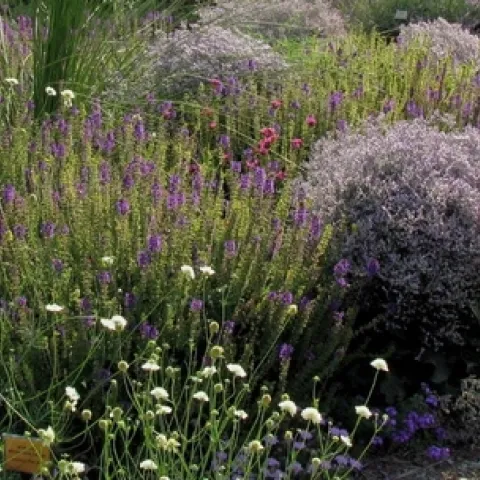
Jolly Pepper African violet. Photo by Kathy Gunther
Under the Solano Sun: Article

A Violet is a Violet #2

March 4, 2022
Miniatures and Semi-Miniatures One of my very favorite semi-miniature violets is Jolly Pepper, pictured here. Semi-miniature and miniature violets are much smaller than the standard size violets.
View Article
Primary Image
Airblast Spray Web App Webinar
Topics in Subtropics: Article

Airblast Webinar

March 4, 2022
By Ben A Faber
Join us for a two-hour webinar covering the new Airblast Spray Advisor' and Airblast Spray Planner' web apps, decision support tools for planning and evaluating airblast spray application in trees and vines.
View Article
Primary Image
mandarins with leaves
Topics in Subtropics: Article

CITRUS!!!!! Field Day and Lunch

March 3, 2022
By Ben A Faber
UC Riverside and CAPCA SoCal Chapter partner to provide: UC Riverside Citrus Field Day for growers and industry members Thursday, March 10, 2022 7:30 a.m. to 12:40 p.m.
View Article
Primary Image
Annie, the scorpion, under natural light. She is a Anuroctonus pococki. (Photo by Emma Jochim)
Bug Squad: Article

Meet Awesome Annie, the Scorpion, at UC Davis Biodiversity Museum Day

March 3, 2022
By Kathy Keatley Garvey
Are you ready to meet awesome "Annie" at the 11th annual UC Davis Biodiversity Museum Day on Sunday, March 6? You won't want to cuddle her, though. Annie is a pet scorpion belonging to Emma Jochim, a second-year doctoral student n the Jason Bond lab, UC Davis Department of Entomology and Nematology.
View Article
Tulare County Cooperative Extension: Article

Topics in Subtropics - Winter 2022

March 3, 2022
In this issue: Mandarin Rind Breakdown Breaking the Avocado Alternate Bearing Cycle A Great Friend and Farmer has passed Calculating the Value of Lemon Tree Loss...
View Article