A Natural Solution for California's Herds: African Catfish Peptides

California's cattle producers and agricultural communities are all too familiar with the rising challenge of antibiotic resistance, making common bacterial infections harder to treat in livestock. But imagine a future where we could tackle these infections with a natural, powerful alternative. Our research points to just that: antimicrobial peptides (AMPs) found in African catfish.

We're really excited about these peptides because African catfish thrive in pathogen-rich freshwater, naturally producing these robust immune compounds in their skin mucus as a defense. This natural origin makes them highly appealing alternatives to synthetic drugs.

Predicted Safety and Potent Action

One of the most compelling aspects of these AMPs is their predicted safety for mammals. Our initial computer analyses suggest that various catfish AMPs are generally recognized as safe (GRAS). We predict they'll be absorbed in the human intestine without causing liver, brain, or heart toxicity. Furthermore, lab tests on a promising peptide, NACAP-II, confirmed it was non-hemolytic, meaning it didn't damage rabbit red blood cells—a strong indicator of its potential safety for mammalian cells.

Beyond safety, these peptides demonstrate effectiveness against problematic bacteria. One study revealed NACAP-II's strong activity against Extended-Spectrum Beta-Lactamase (ESBL)-producing Escherichia coli—a critical concern for both animal and human health due to its resistance to many common antibiotics. Another peptide, ACAP-IV, also showed antibacterial activity against E. coli and Staphylococcus aureus. We believe these AMPs work by directly disrupting bacterial cell membranes, a mechanism that makes it harder for bacteria to develop resistance compared to how they resist traditional antibiotics.
Primary Image
A screen shot of a PNAS publication written by Adam Steinbrenner and colleagues.
Entomology & Nematology News: Article

Adam Steinbrenner: How Plants Detect That Insects Are Eating Them

February 19, 2022
By Kathy Keatley Garvey
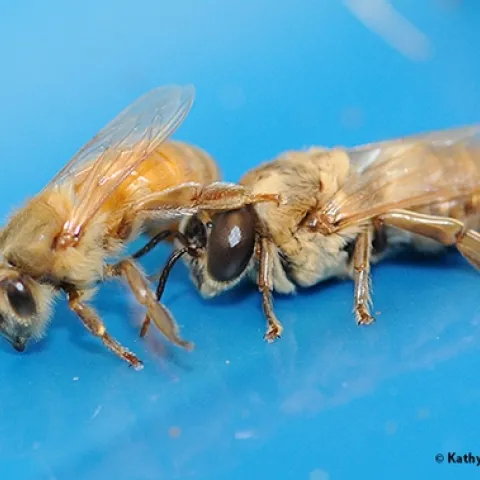
Molecular biologist Adam Steinbrenner, an assistant professor of biology at the University of Washington, will present a Feb. 23rd seminar hosted by the UC Davis Department of Entomology and Nematology on "Plant Immune Recognition of Insect Herbivores.
View Article
Primary Image
Plastic Feb 22
Spill the Beans: Article

Kurapia: The Continuing Saga

February 19, 2022
by Cindy Kerson I'm back again to report on the progress of the Kurapia replanting area. The original post in Spill the Beans was on December 6,2021. The saga began in April of 2020 when we laid Kurapia (Lippia nodiflora) sod.
View Article
Primary Image
FoodCorps lessons in the garden
UCCE Master Gardeners of San Bernardino County Blogs: Article

Debbie's Diary: Upland USD Farm to School Program is Growing

February 18, 2022
By Deborah Schnur
I can't believe I've been working part-time as the UCCE San Bernardino Environmental Education Coordinator for six months already! As the saying goes, time flies when you're having fun.
View Article
Primary Image
Read and follow all label instructions before each pesticide application. Photo: jack Kelly Clar, UC IPM

February Is Safe Pesticide Use Month

February 18, 2022
By Susana Bruzzone-Miller
Author: Petr Kosina, UC Statewide IPM Program To raise awareness of pesticide safety practices, February is celebrated as National Safety Education Month.
View Article
Primary Image
Laying down the cardboard - P. Pashby (1)
Under the Solano Sun: Article

Sheet Mulching with Cardboard-Do's and Don'ts

February 18, 2022
UC Cooperative Extension County Master Gardeners (Solano & Yolo) are currently renovating the 900 square foot Willis Linn Jepson Native Plant Garden at the Pea Adobe in Vacaville.
View Article
Primary Image
Lighting a prescribed fire. Photo courtesy of Susie Kocher, UC ANR
Blog - Forest Research and Outreach : Article

Should I burn? Consider a Prescribed Fire Go/No-Go Checklist Before You Begin

February 18, 2022
By Kimberly C Ingram
Private forest landowners in California are increasingly interested in using prescribed fire for vegetation management. When properly done, prescribed fire can be used effectively in many different vegetation types, at different times of the year and under different weather conditions.
View Article
Primary Image
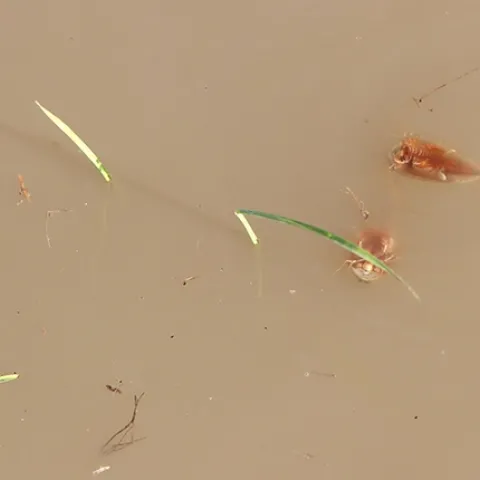
Weedy Rice Type 1 Identification Video
UC Rice Blog: Article

Weedy Rice Identifcation Videos and UCCE Rice Youtube Channel

February 18, 2022
By Whitney B Brim-Deforest
We have recently produced a series of videos on weedy rice identification in California. Each video is biotype-specific. Our UC Rice YouTube Channel also has many other recordings from our virtual meetings and webinars.
View Article