A Natural Solution for California's Herds: African Catfish Peptides

California's cattle producers and agricultural communities are all too familiar with the rising challenge of antibiotic resistance, making common bacterial infections harder to treat in livestock. But imagine a future where we could tackle these infections with a natural, powerful alternative. Our research points to just that: antimicrobial peptides (AMPs) found in African catfish.

We're really excited about these peptides because African catfish thrive in pathogen-rich freshwater, naturally producing these robust immune compounds in their skin mucus as a defense. This natural origin makes them highly appealing alternatives to synthetic drugs.

Predicted Safety and Potent Action

One of the most compelling aspects of these AMPs is their predicted safety for mammals. Our initial computer analyses suggest that various catfish AMPs are generally recognized as safe (GRAS). We predict they'll be absorbed in the human intestine without causing liver, brain, or heart toxicity. Furthermore, lab tests on a promising peptide, NACAP-II, confirmed it was non-hemolytic, meaning it didn't damage rabbit red blood cells—a strong indicator of its potential safety for mammalian cells.

Beyond safety, these peptides demonstrate effectiveness against problematic bacteria. One study revealed NACAP-II's strong activity against Extended-Spectrum Beta-Lactamase (ESBL)-producing Escherichia coli—a critical concern for both animal and human health due to its resistance to many common antibiotics. Another peptide, ACAP-IV, also showed antibacterial activity against E. coli and Staphylococcus aureus. We believe these AMPs work by directly disrupting bacterial cell membranes, a mechanism that makes it harder for bacteria to develop resistance compared to how they resist traditional antibiotics.
Primary Image
Capture
The Stanislaus Sprout: Article

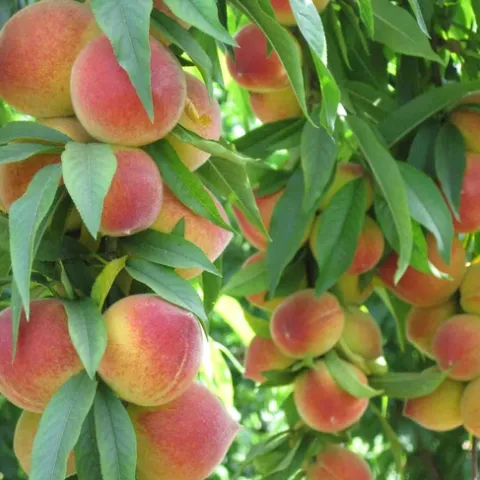
Bare Root Fruit Tree Class - Sign up Now!

January 18, 2022
By Anne E Schellman
Hope to see you on Zoom! Register now so you'll receive the log in link the day of class. When: Tuesday, January 25, 2022 6:00-7:30 p.m. Cost: Free Register at: http://ucanr.
View Article
Primary Image
UCCE logo
SJC and Delta Field Crops: Article

Upcoming Meeting of Interest

January 18, 2022
By Michelle M Leinfelder-Miles
The California Plant and Soil Conference will be held virtually February 1-3, 2022. Registration is open on the conference website. The registration fee increases on January 25th. The theme of the conference is Solutions in a time of Scarcity - California's Water Future.
View Article
Primary Image
Reddish, puckered, distorted leaves infected by peach leaf curl.<br>(Credit: Jack Kelly Clark)
Pests in the Urban Landscape: Article

Peach Leaf Curl, Time to Spray!

January 18, 2022
If you have peach or nectarine trees that typically have distorted or reddened leaves in spring, they may be affected by peach leaf curl. Peach leaf curl is a fungal disease caused by a fungus that only affects peach and nectarine trees.
View Article
Primary Image
Gwen Erdosh's Instagram account; more than 22,000 fans follower her.
Bug Squad: Article

Gwen Erdosh: Entomology Ambassador Extraordinaire

January 17, 2022
By Kathy Keatley Garvey
If you're not big on bugs, you will be--or should be--after seeing UC Davis entomologist Gwen Erdosh's recent interview with reporter Ashley Williams on Good Day Sacramento. Erdosh, 21, an undergraduate entomology major and president of the UC Davis Entomology Club, is passionate about bugs.
View Article
Primary Image
Red raspberries in a blue tray
The Backyard Gardener: Article

Rethinking Raspberries

January 17, 2022
When we first moved to the Owens Valley 12 years ago we inherited a well-stocked garden, one feature of which was a border of raspberries. Sadly, I forgot to ask the previous homeowner which variety they were.
View Article
Primary Image
Black Locust 'Twisty baby' overgrown
Spill the Beans: Article

Keeping up in the Garden

January 17, 2022
by Mel Kendall The focus of our new landscape was to create a low-maintenance pollinator magnet.
View Article
Primary Image
Capture KVPR January 14, 2022JPG
Conservation Agriculture: Article

CASI's Mitchell helps with interview on KVPR's Valley Report - January 14, 2022

January 16, 2022
By Jeffrey P Mitchell
CASI's Mitchell helps with KVPR interview on climate change January 16, 2022 CASI's very own Jeff Mitchell, along with UC ANR colleagues Mae Culumber, George Zhuang, Karl Lund, and Bob Hutmacher, helped with information on their research that is related to climate change in an interview with KVPR re...
View Article
Conservation Agriculture: Article

CIG Project Organic Reduced Disturbance Farmers Phil Foster and Tom Willey Plan 2022 Air Injection Project in Peppers with John Petrosso of Mazzei Injector Company

January 16, 2022
By Jeffrey P Mitchell
January 19, 2022 On a foggy morning at the Santa Ana Ranch CIG Project farmer, Tom Willey, met with John Petrosso, the Sales Engineer for Mazzei Injector Company to plan a study aimed at evaluating the effectiveness of Mazzei's air injection equipment as a possible means for increasing oxygen availa...
View Article
Primary Image
Ficus benjamina. (gardeningexpress.co.uk)
Napa Master Gardener Column: Article

Ficus benjamina, and Other Ficus.

January 15, 2022
By Penny Pawl, UC Master Gardener of Napa County The ficus plants that many people grow indoors are actually tropical trees. They are a different species from Ficus carica, the edible fig. The ficus we eat is from temperate areas of the world and does well outdoors in Napa Valley.
View Article