A Natural Solution for California's Herds: African Catfish Peptides

California's cattle producers and agricultural communities are all too familiar with the rising challenge of antibiotic resistance, making common bacterial infections harder to treat in livestock. But imagine a future where we could tackle these infections with a natural, powerful alternative. Our research points to just that: antimicrobial peptides (AMPs) found in African catfish.

We're really excited about these peptides because African catfish thrive in pathogen-rich freshwater, naturally producing these robust immune compounds in their skin mucus as a defense. This natural origin makes them highly appealing alternatives to synthetic drugs.

Predicted Safety and Potent Action

One of the most compelling aspects of these AMPs is their predicted safety for mammals. Our initial computer analyses suggest that various catfish AMPs are generally recognized as safe (GRAS). We predict they'll be absorbed in the human intestine without causing liver, brain, or heart toxicity. Furthermore, lab tests on a promising peptide, NACAP-II, confirmed it was non-hemolytic, meaning it didn't damage rabbit red blood cells—a strong indicator of its potential safety for mammalian cells.

Beyond safety, these peptides demonstrate effectiveness against problematic bacteria. One study revealed NACAP-II's strong activity against Extended-Spectrum Beta-Lactamase (ESBL)-producing Escherichia coli—a critical concern for both animal and human health due to its resistance to many common antibiotics. Another peptide, ACAP-IV, also showed antibacterial activity against E. coli and Staphylococcus aureus. We believe these AMPs work by directly disrupting bacterial cell membranes, a mechanism that makes it harder for bacteria to develop resistance compared to how they resist traditional antibiotics.

Primary Image
La ley SB1192, de California para bebidas saludables busca reducir el consumo de bebidas azucaradas que contribuye a una mala salud en la niñez. Fotografía por Christopher Williams en Unsplash
Comunidades Saludables: Article

No se cumple con una ley a favor de la salud de los niños

March 14, 2022
By Basilisa M Rawleigh
Una investigacin de UC ANR encontr que con frecuencia no se cumple una nueva ley SB1192 sobre bebidas saludables para nios que exige que los restaurantes de comida rpida que incluyen la bebida en el men ofrezcan solamente: agua, agua gasificada o leche sin sabor.
View Article
Article

2022 UCCE advisor positions released for recruitment

March 14, 2022
By Pamela S Kan-Rice
I am thrilled to announce another monumental milestone to grow UC ANR's Cooperative Extension footprint 48 more CE Advisor positions will be recruited over the next 12 months! Thanks to the increased 2021-22 state funding, the 2021 Call for CE Positions has concluded.
View Article
Primary Image
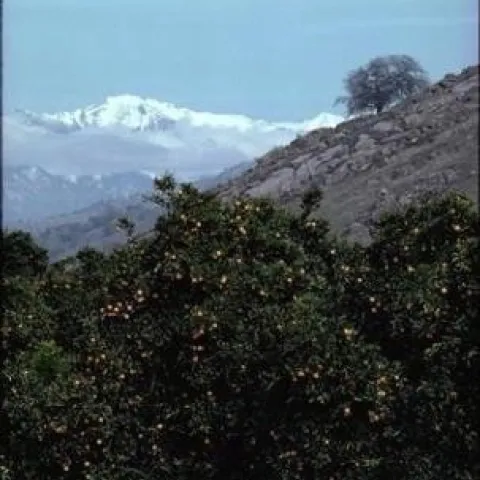
citrus and mountains
Topics in Subtropics: Article

Reading Up on Citrus ACP and HLB

March 14, 2022
By Ben A Faber
Translating the science of managing HLB Your resource for learning about existing and new tools being developed by researchers to protect and manage citrus from the causative agent of huanglongbing (HLB).
View Article
Primary Image
Agapanthus frost damage
Spill the Beans: Article

Frost Protection

March 14, 2022
by Mel Kendall How many of you have gone to bed only to kick yourself in the morning when you get up and see a white, icy garden and have to face the frost damage to your plants? Frost does sneak up, that is a given.
View Article
Article

Four projects receive Hrdy funding

March 11, 2022
By Pamela S Kan-Rice
Thanks to the generosity of the Hrdy family, we are pleased to announce that four proposals have been selected for funding through The Daniel & Sarah Hrdy Fund for UC Cooperative Extension Research.
View Article
Primary Image
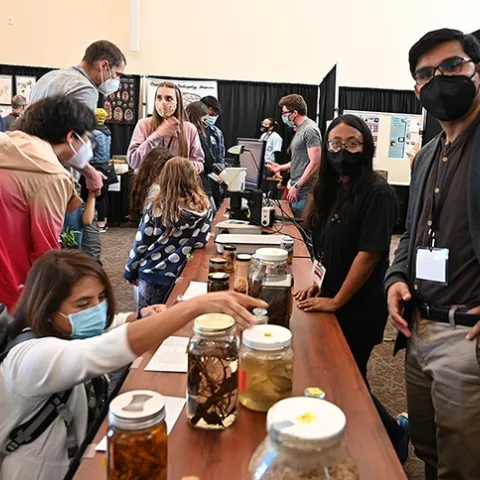
Three nematologists kept busy at their booth at the UC Davis Biodiversity Museum Day. In front is coordinator Shahid Siddique, assistant professor, and his doctoral students Pallavi Shakya (nearest him) and Alison Coomer. In the back (far right) is Rob Blundell, not part of the lab, but who assisted. (Photo by Kathy Keatley Garvey)
Bug Squad: Article

Nematode Booth Wows Crowd at UC Davis Biodiversity Museum Day

March 11, 2022
By Kathy Keatley Garvey
Nematodes! The display of nematodes (aka "roundworms") at the 11th annual UC Davis Biodiversity Museum Day, held Sunday, March 6 in the UC Davis Conference Center, drew scores of curious visitors. Many were dog owners with an interest in heartworms.
View Article
Monterey County: Article

4-H Leader's Council March 15th, 2022

March 11, 2022
Dear Members of the Monterey County 4-H Leaders Council, On Tuesday, March 15th, the 4-H Leaders Council will hold its monthly meeting at 7pm. The location will beat 1432 Abbott St, Salinas. All 4-H families are invited to attend and take part in the councils discussion and planning.
View Article
Primary Image
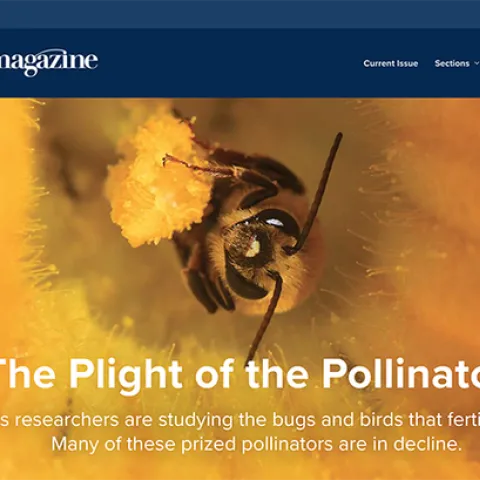
This image of a squash bee, Peponapis pruinosa, appears in the article, "The Plight of the Pollinators," in the March edition of the UC Davis Magazine. (Photo by Kathy Keatley Garvey)
Entomology & Nematology News: Article

UC Davis Entomologists Weigh in on 'Plight of the Pollinators'

March 11, 2022
By Kathy Keatley Garvey
Several UC Davis scientists, including Professor Lynn Kimsey, and Extension apiculturist Elina Lastro Nio of the UC Davis Department of Entomology and Nematology, weighed in on "The Plight of the Pollinators," in an informative article by Ula Chrobak in the March edition of UC Davis Magazine, edited...
View Article
Primary Image
Doggone Right
Under the Solano Sun: Article

Stop the Fake it Only Bakes

March 11, 2022
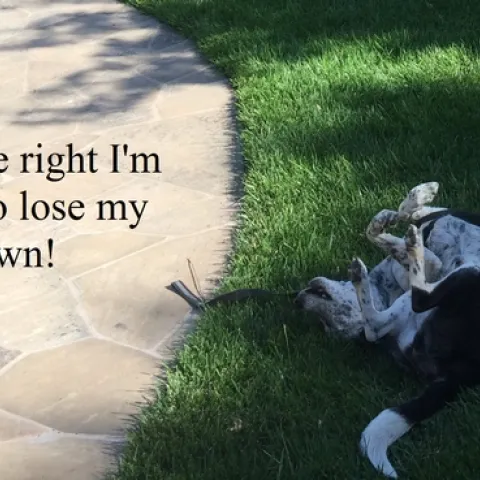
Every day on my walk I'm seeing more and more people installing the fake green grass. This artificial grass is not environmentally friendly. After 15-20 years, it gets put into the landfill because it is old. There are concerns about toxic runoff from the crumb rubber infill.
View Article