A Natural Solution for California's Herds: African Catfish Peptides

California's cattle producers and agricultural communities are all too familiar with the rising challenge of antibiotic resistance, making common bacterial infections harder to treat in livestock. But imagine a future where we could tackle these infections with a natural, powerful alternative. Our research points to just that: antimicrobial peptides (AMPs) found in African catfish.

We're really excited about these peptides because African catfish thrive in pathogen-rich freshwater, naturally producing these robust immune compounds in their skin mucus as a defense. This natural origin makes them highly appealing alternatives to synthetic drugs.

Predicted Safety and Potent Action

One of the most compelling aspects of these AMPs is their predicted safety for mammals. Our initial computer analyses suggest that various catfish AMPs are generally recognized as safe (GRAS). We predict they'll be absorbed in the human intestine without causing liver, brain, or heart toxicity. Furthermore, lab tests on a promising peptide, NACAP-II, confirmed it was non-hemolytic, meaning it didn't damage rabbit red blood cells—a strong indicator of its potential safety for mammalian cells.

Beyond safety, these peptides demonstrate effectiveness against problematic bacteria. One study revealed NACAP-II's strong activity against Extended-Spectrum Beta-Lactamase (ESBL)-producing Escherichia coli—a critical concern for both animal and human health due to its resistance to many common antibiotics. Another peptide, ACAP-IV, also showed antibacterial activity against E. coli and Staphylococcus aureus. We believe these AMPs work by directly disrupting bacterial cell membranes, a mechanism that makes it harder for bacteria to develop resistance compared to how they resist traditional antibiotics.
Primary Image
gretchen 1 nov
UCCE Master Gardeners of San Bernardino County Blogs: Article

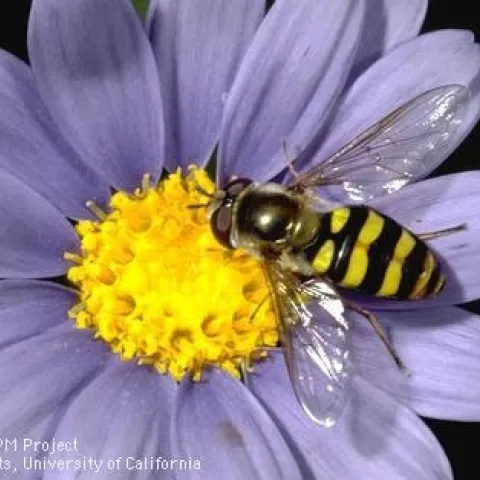
Monitoring in IPM: Pest Identification

November 17, 2021
By Margaret J O'neill
Now you're clear on what IPM isand why it's vital to a thriving garden, or landscape, or farm. You're ready to get IPM-ing.
View Article
Primary Image
Two glass jars, one gift wrapped, the other showing fruit floating in a red liquid.
Food Blog: Article

Learn to make gifts in the kitchen with UC Master Food Preservers

November 16, 2021
By Pamela S Kan-Rice
Looking for gift ideas that don't cost much? University of California Master Food Preservers, a program of UC Agriculture and Natural Resources, will host online workshops showing how to safely make hot holiday beverages, infused vinegar, spiced nuts, meat rubs, cookie mix in a jar and more.
View Article
Primary Image
citrus rootstock pictures
Topics in Subtropics: Article

Taste the Citrus

November 16, 2021
By Ben A Faber
Friday, Dec 10, is for Growers. Saturday, Dec 11, is for everyone who loves citrus and wants to taste the differences.
View Article
Primary Image
2018 05 10 UCSD day2-20
Coordinator News: Article

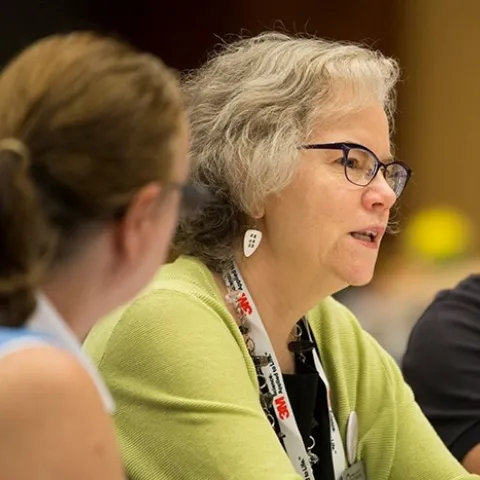
Recording for Master Gardener Training on Extension Campus

November 16, 2021
By Lauren L Snowden
Many counties are looking for training content and are communicating with each other to find recordings and online offerings. If you are looking for a training or have one you would like to share Extension Campus is a good place to start.
View Article
Primary Image
Attendees at a UC Master Gardener traiing looking at a plant
Coordinator News: Article

Volunteer Appointment Resources and Training

November 16, 2021
By Lauren L Snowden
As spring is around the corner and programs start to prepare for new UC Master Gardener training classes. Don't forget to incorporate items from the UC Master Gardener Program's inclusive volunteer selection materials.
View Article
Stanislaus County: Article

SpraySafe 2021 - Nov. 17 - Nov. 19

November 16, 2021
Join our Zoom event and earn FREE CE hours and required trainings. Attend both for 6 hours! SpraySafe 2021 - A Farmer to Farmer commitment to you (stanag-ce.
View Article