A Natural Solution for California's Herds: African Catfish Peptides

California's cattle producers and agricultural communities are all too familiar with the rising challenge of antibiotic resistance, making common bacterial infections harder to treat in livestock. But imagine a future where we could tackle these infections with a natural, powerful alternative. Our research points to just that: antimicrobial peptides (AMPs) found in African catfish.

We're really excited about these peptides because African catfish thrive in pathogen-rich freshwater, naturally producing these robust immune compounds in their skin mucus as a defense. This natural origin makes them highly appealing alternatives to synthetic drugs.

Predicted Safety and Potent Action

One of the most compelling aspects of these AMPs is their predicted safety for mammals. Our initial computer analyses suggest that various catfish AMPs are generally recognized as safe (GRAS). We predict they'll be absorbed in the human intestine without causing liver, brain, or heart toxicity. Furthermore, lab tests on a promising peptide, NACAP-II, confirmed it was non-hemolytic, meaning it didn't damage rabbit red blood cells—a strong indicator of its potential safety for mammalian cells.

Beyond safety, these peptides demonstrate effectiveness against problematic bacteria. One study revealed NACAP-II's strong activity against Extended-Spectrum Beta-Lactamase (ESBL)-producing Escherichia coli—a critical concern for both animal and human health due to its resistance to many common antibiotics. Another peptide, ACAP-IV, also showed antibacterial activity against E. coli and Staphylococcus aureus. We believe these AMPs work by directly disrupting bacterial cell membranes, a mechanism that makes it harder for bacteria to develop resistance compared to how they resist traditional antibiotics.
The Backyard Gardener: Article

Grow Your Own Peanuts

February 9, 2022
Skip the store and grow your own peanut butter, but it won't be in a jiffy. This season, we decided to grow peanuts in the Edible Plants Plot at the Community Garden Demonstration Garden. Why not? They are as pretty as any pea plant and just as easy to grow.
View Article
Coordinator News: Article

In-Person Volunteer Activities

February 9, 2022
By Missy Gable
Determining when to return to in-person activities is being managed at the local level with direction and support from County Directors.
View Article
Primary Image
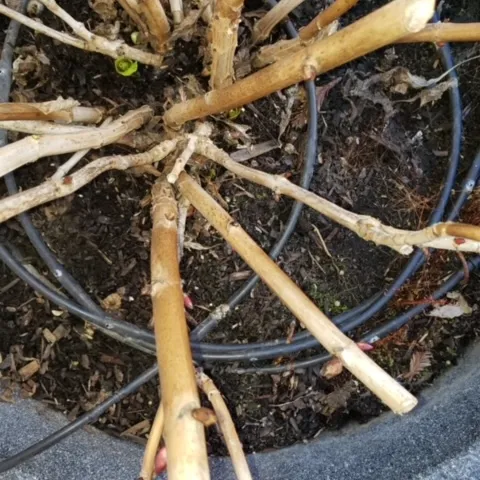
Pruned hydrangea. photos by Launa Herrmann
Under the Solano Sun: Article

Everlasting Hydrangeas

February 9, 2022
Who doesn't enjoy a pretty bouquet of freshly cut flowers from the garden? But have you ever tried picking a bouquet of hydrangeas? I discovered the flowers are rather finicky. Once cut, and almost before the stems touch water, they wilt.
View Article
Coordinator News: Article

2021-22 Volunteer Hours

February 9, 2022
By Missy Gable
COVID-19 continues to impact our program and the ability to complete standard UC Master Gardener volunteer hour requirements. Based on feedback of program coordinators, adjustments to volunteer hour requirements are available for the 2021-22 program year (July 1, 2021 June 30, 2022).
View Article
Primary Image
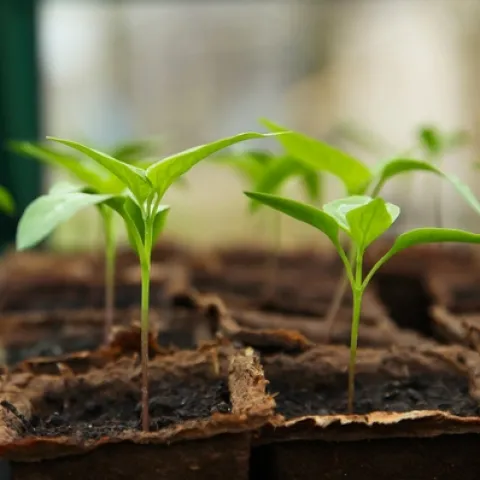
young seedling plants
Coordinator News: Article

2021 Fundraising and Maintaining Donor Relationships

February 9, 2022
By Kelly D Scott
Amongst the hustle and bustle of the holiday season donors to the UC Master Gardener Program came through with strong support of our programs. Across the state we raised more than $86,000 (cumulatively during Nov. and Dec.) for county programs.
View Article
Primary Image
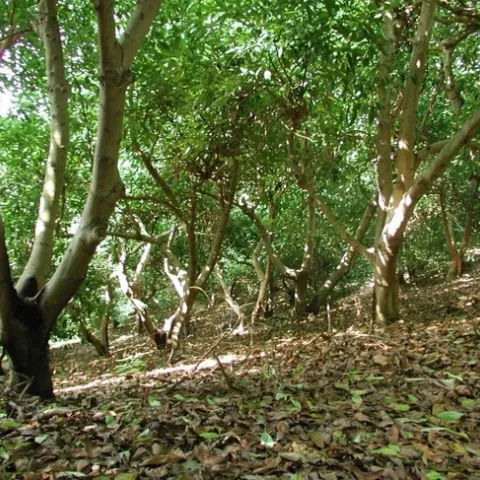
avocado forest
Topics in Subtropics: Article

Avocado Cafe

February 9, 2022
By Ben A Faber
Avocado Caf is intended to be a meeting of interested avocado growers from California and elsewhere with an open discussion for ideas and inputs. Our organizing committee primarily consists of California growers but also has extension personnel and international members as well.
View Article
ANR Contracts & Grants Updates: Article

USDA NIFA is accepting applications to the FY22 Renewable Resources Extension Act – National Program Focus (RREA-NFF) program

February 8, 2022
By Kathleen P Nolan
Dear Colleagues, NIFA requests applications for the Renewable Resource Extension Act (RREA) National Focus Fund Projects (NFF) for fiscal year (FY) 2022 to provide for expanded and comprehensive extension programs that focus on forest and rangeland renewable resources at the national or regional le...
View Article
Primary Image
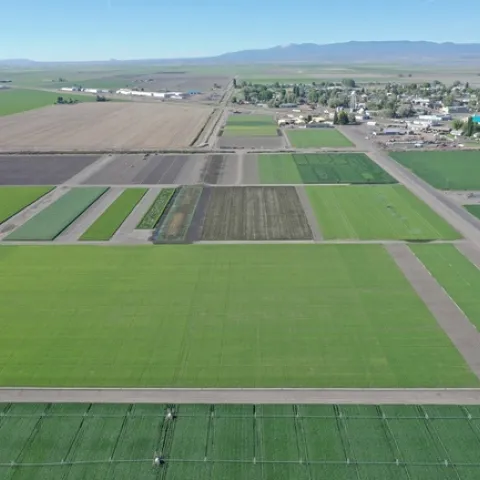
Green squares of crop land in foreground and unplanted brown land in upper left. Buildings dot the landscape in upper right.
ANR Employee News: Article

Intermountain REC calls for proposals

February 8, 2022
By Pamela S Kan-Rice
The Intermountain Research and Extension Center is soliciting proposals from researchers for new and continuing research projects in 2022-23. IREC is a 140-acre research facility located at 4,000 feet elevation near the Oregon border.
View Article