A Natural Solution for California's Herds: African Catfish Peptides

California's cattle producers and agricultural communities are all too familiar with the rising challenge of antibiotic resistance, making common bacterial infections harder to treat in livestock. But imagine a future where we could tackle these infections with a natural, powerful alternative. Our research points to just that: antimicrobial peptides (AMPs) found in African catfish.

We're really excited about these peptides because African catfish thrive in pathogen-rich freshwater, naturally producing these robust immune compounds in their skin mucus as a defense. This natural origin makes them highly appealing alternatives to synthetic drugs.

Predicted Safety and Potent Action

One of the most compelling aspects of these AMPs is their predicted safety for mammals. Our initial computer analyses suggest that various catfish AMPs are generally recognized as safe (GRAS). We predict they'll be absorbed in the human intestine without causing liver, brain, or heart toxicity. Furthermore, lab tests on a promising peptide, NACAP-II, confirmed it was non-hemolytic, meaning it didn't damage rabbit red blood cells—a strong indicator of its potential safety for mammalian cells.

Beyond safety, these peptides demonstrate effectiveness against problematic bacteria. One study revealed NACAP-II's strong activity against Extended-Spectrum Beta-Lactamase (ESBL)-producing Escherichia coli—a critical concern for both animal and human health due to its resistance to many common antibiotics. Another peptide, ACAP-IV, also showed antibacterial activity against E. coli and Staphylococcus aureus. We believe these AMPs work by directly disrupting bacterial cell membranes, a mechanism that makes it harder for bacteria to develop resistance compared to how they resist traditional antibiotics.
Primary Image
3-First try finished
Spill the Beans: Article

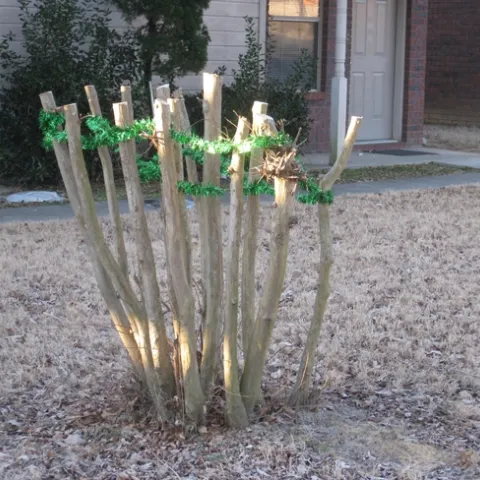
The Great Tree Root Battle

September 6, 2021
by Melody Kendall We have lived in our home now for almost 40 years; gosh, time flies when you are having fun! Until about five years ago we had been unsuccessful in establishing a garden in the front yard under the only window seen from the street, wanting it to be a major design feature of our hom...
View Article
Primary Image
Photo of the type of cover crops planted in furrows of a strawberry field.
Strawberries and Caneberries: Article

Upcoming Cover Crops in Furrows Webinar with Eric Brennan

September 4, 2021
By Mark P Bolda
All are invited to an upcoming webinar that is being held Thursday, Sept 16 from 11 am to noon, and hosted through the Healthy Soils Program with Dr Eric Brennan on cover cropping in furrows of strawberries.
View Article
Primary Image
TulipLandscape MariaKrenek
The Coastal Gardener : Article

And then my heart with pleasure fills, and dances with the daffodils

September 4, 2021
By Sherida J Phibbs
Nothing welcomes spring better, than to see the arrival of daffodils with their cheerful faces framed by their ruffled bonnets! These loved and joyous flowers are symbolic, as they represent hope and joy. Giving a bunch of daffodils as a gift is thought to bring the receiver good fortune.
View Article
Primary Image
Red wiggler worms in their bedding
The Coastal Gardener : Article

The Wonderful World of Wiggly Worms

September 3, 2021
By Sherida J Phibbs
Join us on Thursday September 9th, at 6:30 pm as UCCE Master Gardener Zeal Stefanoff, leads the discussion on Vermicomposting. Registration Link The wild, wonderful world of wiggly worms or more simply kitchen worm farming.
View Article
Primary Image
Finding the Mother Tree
The Coastal Gardener : Article

Finding the Mother Tree - Explored by Master Gardener's Book Club

September 3, 2021
By Sherida J Phibbs
Join the Master Gardener's Book Club October 15, 6:00pm-7:30 pm Via Zoom Sign up link Readers who enjoyed Braiding Sweetgrass by Robin Wall Kimmerer, our previous Master Gardener book, are sure to enjoy this highly regarded book.
View Article
Primary Image
A spider executes Plan Bee. (Photo by Kathy Keatley Garvey)
Bug Squad: Article

This Spider Went for Plan Bee

September 3, 2021
By Kathy Keatley Garvey
The spider failed to snag a butterfly, so it went for Plan Bee. That would be the honey bee, Apis mellifera. The bee is usually foraging for nectar and pollen and not that aware of her surroundings, especially a cunning and very hungry spider.
View Article
Primary Image
Charlie Summers and his colleagues, self-described "Bug People" at the Kearney Agricultural Research and Extension Center, Parlier, posed for this photo in 2008. In front (from left), are Elizabeth Crafton-Cardwell, Kent Daane, and Summers. In back (from left) are Marshall Johnson, Walter Bentley and Pete Goodell. (Photo courtesy of Marshall Johnson)
Entomology & Nematology News: Article

Charles 'Charlie' Geddes Summers, 1941-2021

September 3, 2021
By Kathy Keatley Garvey
Prominent integrated pest management (IPM) entomologist Charles "Charlie" Geddes Summers of Clinton, Utah, whose University of California career in crop pest management spanned 42 years, died Aug. 12, 2021 at age 79 of acute respiratory failure at a hospital in Layton, Utah. Dr.
View Article