A Natural Solution for California's Herds: African Catfish Peptides

California's cattle producers and agricultural communities are all too familiar with the rising challenge of antibiotic resistance, making common bacterial infections harder to treat in livestock. But imagine a future where we could tackle these infections with a natural, powerful alternative. Our research points to just that: antimicrobial peptides (AMPs) found in African catfish.

We're really excited about these peptides because African catfish thrive in pathogen-rich freshwater, naturally producing these robust immune compounds in their skin mucus as a defense. This natural origin makes them highly appealing alternatives to synthetic drugs.

Predicted Safety and Potent Action

One of the most compelling aspects of these AMPs is their predicted safety for mammals. Our initial computer analyses suggest that various catfish AMPs are generally recognized as safe (GRAS). We predict they'll be absorbed in the human intestine without causing liver, brain, or heart toxicity. Furthermore, lab tests on a promising peptide, NACAP-II, confirmed it was non-hemolytic, meaning it didn't damage rabbit red blood cells—a strong indicator of its potential safety for mammalian cells.

Beyond safety, these peptides demonstrate effectiveness against problematic bacteria. One study revealed NACAP-II's strong activity against Extended-Spectrum Beta-Lactamase (ESBL)-producing Escherichia coli—a critical concern for both animal and human health due to its resistance to many common antibiotics. Another peptide, ACAP-IV, also showed antibacterial activity against E. coli and Staphylococcus aureus. We believe these AMPs work by directly disrupting bacterial cell membranes, a mechanism that makes it harder for bacteria to develop resistance compared to how they resist traditional antibiotics.

Event

October Workshop - Gifts From the Kitchen

Event Date
Oct 18, 2025

Gifts From the Kitchen WorkshopSaturday, October 18 • 8:30 AM – 2:30 PMLocation: Robert Cabral Agricultural Center                  2101 East Earhart Ave., Stockton, Ca$60 – Lunch included • Advance registration requiredGet a head start on your holiday gift list…
View Event
Primary Image
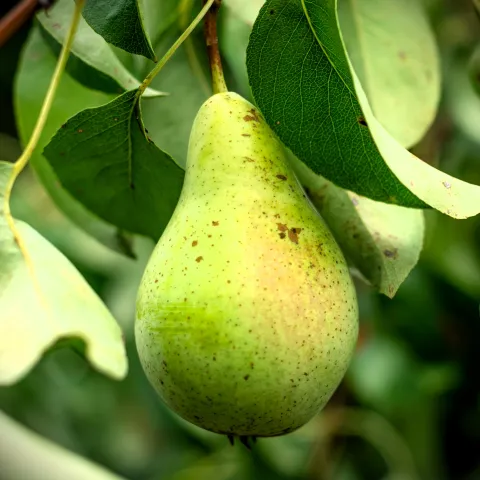
Pear fruit hanging on a tree
The Backyard Gardener: Article

The Art of Successfully Harvesting Pears

September 22, 2025
By Dustin W Blakey
by Alison Collin, Master Gardener Volunteer Were you taught that to check for a pear's ripeness you gently press on the top, beside the stem, and if it “gives” it is ripe and ready to eat? Well, that technique only applies to pears that have been harvested, and if you are using it to check on the pears…
View Article
UC Master Food Preservers of Tulare County: Article

Canning Fruit Purees for Baby

September 20, 2025
 Whether you are expecting your first child or are an old pro in the parenting department, bringing a new life into this world comes with a lot of choices. One choice that parents face is deciding what to feed their infants and toddlers. Some things that should always be adhered to when feeding infants…
View Article
Primary Image
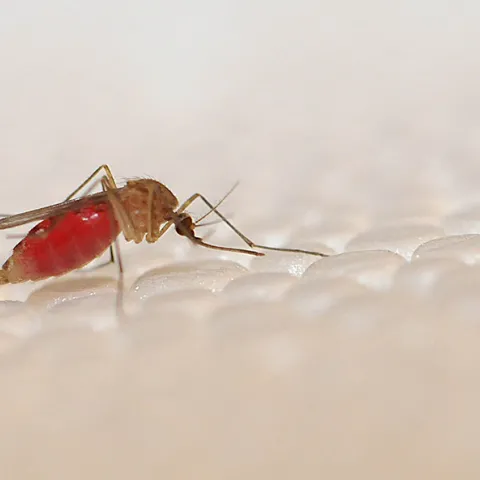
Culex quinquefasciatus (Photo by Kathy Keatley Garvey)
Bug Squad: Article

Who's Speaking at UC Davis Entomology Fall Seminars?

September 19, 2025
By Kathy Keatley Garvey
 Who's speaking at the UC Davis Department of Entomology and Nematology seminars for the fall quarter?Marshall McMunn, assistant professor of teaching and coordinator of the UC Davis Department of Entomology and Nematology's 2025-26 seminars, has announced the fall seminar schedule.Seminars will begin…
View Article