A Natural Solution for California's Herds: African Catfish Peptides

California's cattle producers and agricultural communities are all too familiar with the rising challenge of antibiotic resistance, making common bacterial infections harder to treat in livestock. But imagine a future where we could tackle these infections with a natural, powerful alternative. Our research points to just that: antimicrobial peptides (AMPs) found in African catfish.

We're really excited about these peptides because African catfish thrive in pathogen-rich freshwater, naturally producing these robust immune compounds in their skin mucus as a defense. This natural origin makes them highly appealing alternatives to synthetic drugs.

Predicted Safety and Potent Action

One of the most compelling aspects of these AMPs is their predicted safety for mammals. Our initial computer analyses suggest that various catfish AMPs are generally recognized as safe (GRAS). We predict they'll be absorbed in the human intestine without causing liver, brain, or heart toxicity. Furthermore, lab tests on a promising peptide, NACAP-II, confirmed it was non-hemolytic, meaning it didn't damage rabbit red blood cells—a strong indicator of its potential safety for mammalian cells.

Beyond safety, these peptides demonstrate effectiveness against problematic bacteria. One study revealed NACAP-II's strong activity against Extended-Spectrum Beta-Lactamase (ESBL)-producing Escherichia coli—a critical concern for both animal and human health due to its resistance to many common antibiotics. Another peptide, ACAP-IV, also showed antibacterial activity against E. coli and Staphylococcus aureus. We believe these AMPs work by directly disrupting bacterial cell membranes, a mechanism that makes it harder for bacteria to develop resistance compared to how they resist traditional antibiotics.
Primary Image
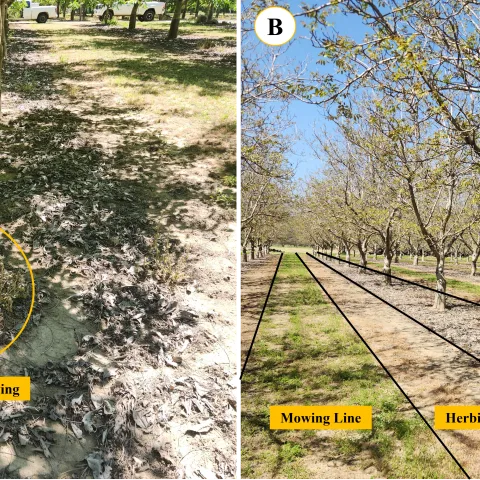
Fig. 6. Adoption of herbicide spot application (A) and herbicide spray line outside the mulch line/tree rows (B) in a conventional walnut orchard site where walnut leaf mulch was implemented for weed management.
UC Weed Science (weed control, management, ecology, and minutia): Article

Response of Walnut Leaf Mulch for Weed Management

September 22, 2025
By Clebson G Goncalves
     The use of walnut leaf biomass as a natural mulch and an eco-friendly practice can help prevent weed seed germination by excluding light and/or acting as a physical barrier that prevents weed emergence. Beyond that, several studies have shown potential allelopathic effects of juglone and…
View Article
Primary Image
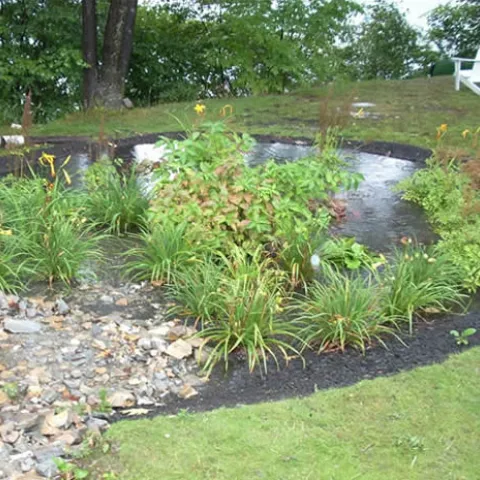
Photo of a rain garden with water and plants.
The Savvy Sage: Article

How to Build a Garden to Catch the Rain

September 22, 2025
By Deborah Cunningham
 Article by Mike KlukOriginally published in the Fall 2018 Yolo Gardener NewsletterThe recent five-year drought and the assurance we will see other drought years in the future encouraged a lot of people to install water catchment barrels. This is not a bad idea but in our Mediterranean climate, it…
View Article
Nutrition Policy Institute News: Article

Parents and staff are highly supportive of freshly prepared school meals but raise concerns about food waste

September 22, 2025
By Brianna Aguayo Villalon, Danielle Lee, KC Fiedler, Lorrene D Ritchie
A recent study published in the Journal of Nutrition Education and Behavior explored the perceptions of elementary school parents and staff in a large, urban California school district that recently introduced more freshly-prepared school lunches. Based on interviews and focus groups conducted from May…
View Article
Event Primary Image
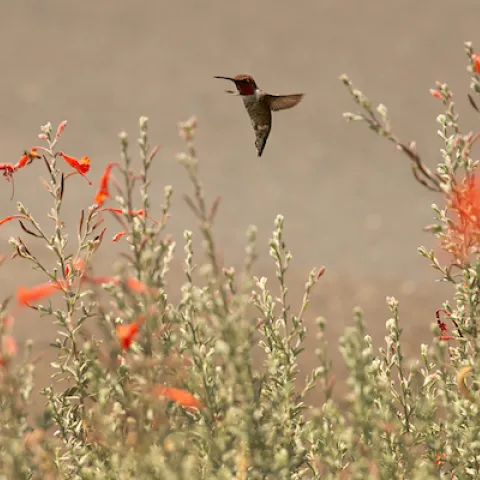
hummingbird flying over Califonia fuchsia
UC Master Gardener Program of Yolo County: Event

Sustainable Practices for Beautiful Landscapes in Yolo County – A Master Gardener Library Series Zoom presentation

Event Date
Oct 23, 2025

Please join Joanna Solins, Environmental Horticulture Advisor for UC Cooperative Extension in Sacramento, Solano and Yolo counties to learn about sustainable gardening and landscaping practices. Help your yard flourish while conserving water and reducing heat. Joanna will share tips for…
UC Master Gardener Program of Yolo County
View Event
Event Primary Image
California Water Couse
UCCE Water and Climate Program - Mendocino and Lake: Event

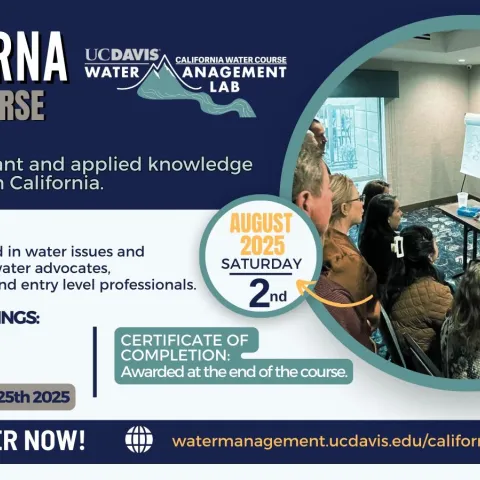
California Water Course

Event Date
Aug 2, 2025

We are excited to announce the launch of the California Water Course a bilingual (English/Español) program designed for entry level water professionals (or refresher), community and advocates, or any person interested in addressing California’s water challenges and solutions.This 40-hour hybrid…
UCCE Water and Climate Program - Mendocino and Lake
View Event
Kern County: Page

Ridge Runners 4-H

Meeting Place: United Methodist Church - 639 N. Norma Ave, Ridgecrest CA 93555 Day & Time: 1st Thursday at 6:30 PM Community Club Leader: Melanie DeMaris email: demaris.melanie@gmail.com telephone: 760-968-7411
View Page
Primary Image
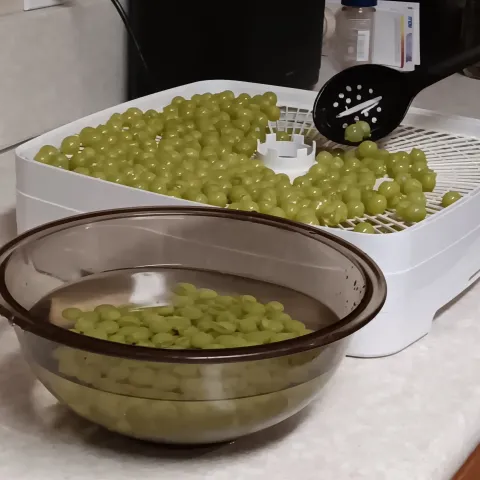
grapes on a dehydrator tray
The Backyard Gardener: Article

Raisins from Your Own Backyard

September 22, 2025
By Dustin W Blakey
By Alison Collin, Master Gardener Volunteer White table grapes like 'Thompson Seedless' are delicious to snack on, but they can pose a problem to those of us who like to preserve our own produce. Unlike their red-skinned cousins or cultivars like 'Concord', they are generally lacking in interesting…
View Article
Event Primary Image
garlic braid
UC Master Gardener Program of Yolo County: Event

Grow Your Own Garlic and Vanquish Vampires! – A Master Gardener Library Series Zoom presentation

Event Date
Oct 9, 2025

Garlic is a long-season crop - plant it in October and harvest it in June. Join UC Master Gardener of Yolo County Pam McCabe to learn the many reasons for growing your own garlic and the simple steps to successfully produce healthy, homegrown garlic. Zoom linkPam has been growing garlic for more…
UC Master Gardener Program of Yolo County
View Event
Primary Image
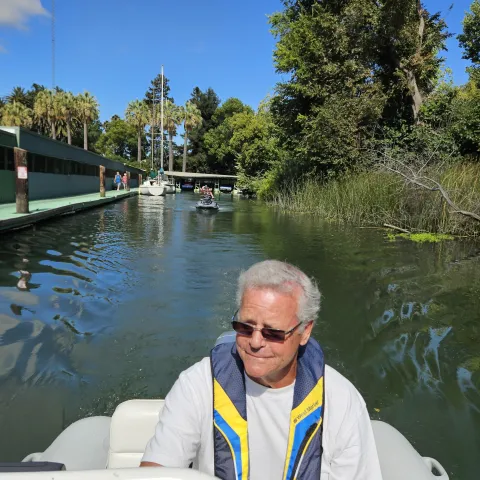
man enjoying his time on a boat
Under the Solano Sun: Article

Delta

September 22, 2025
By Jennifer M Baumbach
Blog by Nancy Forrest Recently, we moved our boat up to the Delta for the summer. Normally, it’s in Benicia, which is closer to the San Francisco Bay. The  Delta is a labyrinth of sloughs where vine-covered trees, blackberry brambles, and tule grasses appear at almost every turn. It is a boater’s…
View Article
Primary Image
A light green plant with many branching stems and bright yellow, spiky flowers.
Pests in the Urban Landscape: Article

Managing Invasive Plants: Your Questions Answered!

September 22, 2025
By Lindsey Hack
UC IPM recently hosted a webinar about invasive plant management in California. During the presentation, our speakers Constance Taylor and Jutta Burger from the California Invasive Plant Council (Cal-IPC) answered live questions from attendees. Below are some of those questions and answers. If you…
View Article